

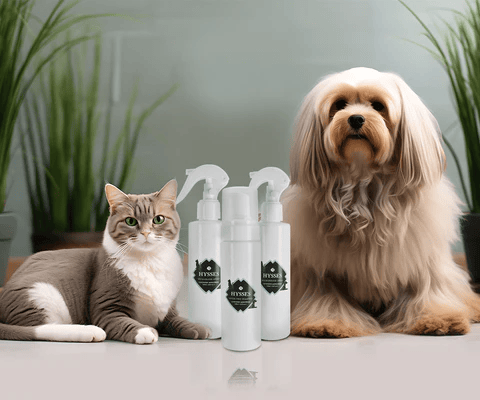
As holistic wellness continues to shape modern lifestyles, more pet owners are becoming mindful about the products and ingredients used around their furry companions. From grooming routines to home environments, there is a growing shift toward safer, cleaner, and naturally inspired care practices.
DIY pet care is no longer simply about homemade grooming recipes. It is about creating a calm, hygienic, and nurturing environment that supports the wellbeing of both pets and their owners.
At HYSSES, natural wellness is approached through thoughtful aromatherapy formulation, sensory refinement, and ingredient transparency. While essential oils should never be directly applied to pets without professional veterinary advice, carefully ventilated environmental diffusion may help create a cleaner and more relaxing atmosphere within pet-friendly homes.
“Aromatherapy in shared living spaces should always prioritise balance, ventilation, and ingredient quality — especially in homes with pets.”
— Cheryl Gan, Founder and Managing Director of HYSSES.
Aromatherapy expert Robert Tisserand emphasises that responsible diffusion and proper dilution are essential for safe home use.
For readers exploring home diffusion methods, HYSSES also shares a detailed guide on How to Use a Nebuliser Correctly.
Why Natural DIY Pet Care Matters
Many conventional grooming products contain artificial fragrances, aggressive detergents, and unnecessary additives that may contribute to dryness or discomfort in sensitive pets.
Natural DIY pet care focuses on:
-
Simpler ingredient awareness
-
Gentler grooming habits
-
Cleaner indoor environments
-
Reduced exposure to synthetic fragrances
-
More intentional pet-owner bonding
A study according to Oh, H.-J., et al. (2021), noted that indoor air quality and airborne particles can influence respiratory comfort, reinforcing the importance of maintaining a fresher home environment.
For a deeper understanding of aromatic diffusion and wellness-focused air care, explore The Science Behind Nebulisation: How It Supports Respiratory Wellness.
Creating a Calm and Pet-Friendly Grooming Environment
Before beginning any grooming routine, creating a calm atmosphere can help reduce stress for pets.
A quiet room, soft towels, gentle brushing tools, and proper airflow all contribute to a more comfortable experience. Some pet owners also choose to diffuse subtle botanical aromas before grooming sessions to support a more peaceful environment.
The Essential Oils Collection features pure essential oils crafted for home wellness rituals and aromatic living.
Recommended Wellness Aromas for Shared Spaces
Lavender Essential Oil
Lavender is widely appreciated for its soft floral aroma and calming sensory profile. Research according to Koulivand, P. H., et al. (2013), explored lavender’s relationship with relaxation and emotional wellbeing.
Bergamot Essential Oil
Known for its fresh citrus aroma that may help brighten indoor spaces naturally.
Frankincense Essential Oil
Often used in grounding wellness rituals for its warm woody aroma.
Lemongrass Essential Oil
A crisp botanical scent commonly associated with freshness and cleanliness.
Spike Lavender Essential Oil
This sharper lavender variety offers a fresher, camphoraceous aromatic profile and is often appreciated in cleansing and refreshing environments.
Essential Safety Considerations Around Pets
Pets can be far more sensitive to concentrated aromas than humans. Cats, birds, and smaller animals in particular require additional caution.
Robert Tisserand’s Essential Oil Safety highlights that concentrated essential oils should always be used responsibly in enclosed environments.
Important Safety Guidelines
-
Never apply essential oils directly onto pets
-
Always diffuse in well-ventilated spaces
-
Allow pets freedom to leave the room
-
Avoid continuous diffusion for long periods
-
Monitor pets for behavioural changes
-
Consult a veterinarian before introducing aromatherapy near sensitive pets
The HYSSES article Choosing the Right Oils for Nebuliser Diffusers: What to Avoid explains the importance of selecting high-quality oils without synthetic fillers or additives.
A Gentle DIY Grooming Routine for Pets
Consistency and gentleness are the foundations of a successful DIY pet care routine.
Step 1: Brushing and Coat Maintenance
Regular brushing helps:
-
Remove loose fur
-
Reduce matting
-
Distribute natural oils
-
Maintain coat shine
-
Encourage relaxation through touch
This is also a useful opportunity to observe any skin irritation or changes early.
Step 2: Mild Cleansing Practices
A simple pet-friendly cleansing routine may include:
-
Lukewarm water
-
Finely blended oatmeal
-
Mild fragrance-free soap base
Oatmeal has long been valued for its soothing properties. A review according to Reynertson, K. A., et al. (2015), highlighted colloidal oatmeal’s role in supporting skin barrier comfort.
Avoid heavily fragranced products that may overwhelm sensitive pets.
Step 3: Creating a Fresh-Smelling Home Naturally
Instead of relying on synthetic air sprays, many pet owners prefer subtle aromatherapy diffusion to refresh living spaces naturally.
The Diffusers Collection offers elegant diffusion solutions designed for modern wellness environments.
The guide How to Use a Diffuser for Maximum Benefits shares practical tips for maintaining safe and effective aromatic diffusion at home.
Recommended Aromatic Pairings
|
Wellness Goal |
Suggested Blend |
|
Calm atmosphere |
Lavender + Frankincense |
|
Fresh environment |
Lemongrass + Eucalyptus |
|
Uplifting ambience |
Bergamot + Orange |
|
Grounding comfort |
Sandalwood + Cedarwood |
These blends are intended for environmental diffusion only.
Maintaining Clean Diffusers in Pet-Friendly Homes
Proper diffuser hygiene is essential for maintaining clean and consistent aromatic performance.
The Nebuliser Cleaning Solution supports regular maintenance by helping remove residue buildup from nebulisers and diffusion devices.
For best practices on maintaining diffusion quality, explore A Step-by-Step Guide on How to Use a Nebuliser Correctly.
Supporting Wellness Through Aromatic Living
Aromatherapy is often appreciated not only for fragrance but also for the emotional atmosphere it creates.
The HYSSES article Aromatherapy: Do Essential Oils Really Work? further explores how scent molecules interact with the emotional centre of the brain during inhalation.
For pet owners, calm environments can positively influence grooming experiences and daily routines.
Natural DIY pet care is ultimately about creating a gentler and more mindful lifestyle for both pets and their owners.
From calm grooming rituals to carefully ventilated aromatherapy practices, small intentional changes can contribute to a cleaner, more comforting home environment. By prioritising ingredient awareness, proper diffusion practices, and sensory wellbeing, pet owners can build routines rooted in safety, balance, and trust.
Transform your pet care routine into a calming wellness ritual with nature-inspired aromatherapy and gentle grooming essentials from HYSSES. Explore pure essential oils, elegant diffusers, and holistic home wellness collections thoughtfully crafted to help you create a fresher, more comforting environment for both you and your beloved pets.
Frequently Asked Questions (FAQs)
1. Is aromatherapy safe in homes with pets?
Aromatherapy may be used cautiously in pet-friendly homes when proper ventilation, low-volume diffusion, and high-quality essential oils are prioritised. Always observe your pet’s comfort and behaviour carefully.
2. Which essential oils are commonly used for fresh home environments?
Lavender, Lemongrass, Eucalyptus, Frankincense, and Bergamot are commonly chosen for environmental wellness and aromatic freshness.
3. Can I apply essential oils directly onto my pet?
No. Essential oils should not be directly applied to pets unless specifically recommended by a qualified veterinarian experienced in aromatherapy safety.
4. Why is diffuser cleaning important?
Regular cleaning helps prevent oil residue buildup, supports cleaner diffusion performance, and improves device longevity.
5. How often should I diffuse essential oils around pets?
Short intermittent sessions in well-ventilated rooms are generally preferred over continuous diffusion. Always allow pets to leave the room freely.
Disclaimer
This guide is intended for educational and informational purposes only and does not constitute veterinary or medical advice. Essential oils should always be used responsibly, especially in homes with pets, children, pregnant individuals, or those with medical conditions. Always consult a licensed veterinarian before introducing aromatherapy practices around pets. HYSSES products are intended for environmental and personal wellness use only and are not intended to diagnose, treat, cure, or prevent any disease.

Share:
DIY Pet-Safe Home Remedies: Clean, Calm, and Care Naturally
Rice Ferment Biotics in Skincare: The Prebiotic That Rebuilds What Over-Cleansing Strips Away