

Modern skincare has evolved far beyond cleansing and moisturizing. Today, healthy skin is increasingly understood through the lens of balance - especially the delicate ecosystem of microorganisms living on the skin’s surface, known as the skin microbiome.
This growing scientific focus has fueled interest in biotics-based skincare, including prebiotics, probiotics, and postbiotics. While probiotics introduce beneficial microorganisms and postbiotics deliver beneficial compounds produced during fermentation, prebiotics help nourish the healthy microbes naturally present on the skin.
Among the most promising ingredients in this category are rice ferment biotics, gentle yet effective microbiome-supportive actives that help restore what excessive cleansing and environmental stress gradually strip away.
In Singapore’s humid climate and fast-paced urban lifestyle, many skincare routines rely heavily on double cleansing, exfoliating acids, and active-rich formulations. Combined with long hours in air-conditioned environments, these habits can quietly weaken the skin barrier over time. This is why microbiome-supportive skincare is becoming less of a trend and more of a long-term skin health essential.
At Hysses, skincare philosophy centers around restoring harmony between modern skin science, botanical wellness, and sensorial self-care rituals.
Understanding the Skin Microbiome and Why It Matters
The skin microbiome is a complex ecosystem of beneficial bacteria, fungi, and microorganisms that help regulate skin health, inflammation, hydration, and barrier protection.
When balanced, the microbiome helps the skin remain:
-
Hydrated and resilient
-
Calm and less reactive
-
Better protected against environmental stress
-
More tolerant to active ingredients
However, excessive cleansing and harsh skincare habits can disrupt this ecosystem.
According to Zamil, D. H.,et al.(2022), rice-derived ingredients demonstrate moisturizing, antioxidant, and anti-inflammatory benefits that support skin wellness.
“Healthy skin is not achieved by over-stripping the skin barrier. It is built through balance, restoration, and long-term resilience.”
— Cheryl Gan, Founder & Managing Director of HYSSES.
Why Rice Ferment Biotics Are Becoming a Major Skincare Trend
Rice has been valued in Asian beauty rituals for centuries due to its soothing and skin-conditioning properties. Through fermentation, rice becomes even more bioavailable, producing amino acids, antioxidants, peptides, and beneficial compounds that support skin barrier recovery.
Research according to Sangkaew, O., & Yompakdee, C. (2023), highlights how fermented rice compounds may contribute to hydration support, antioxidant activity, and improved skin conditioning.
Fermentation also breaks ingredients into smaller molecules that may improve skin compatibility and absorption.
This makes rice ferment biotics especially suitable for:
-
Sensitive or stressed skin
-
Over-cleansed skin barriers
-
Dehydrated skin
-
Urban lifestyles exposed to pollution and air conditioning
The Hidden Damage Caused by Over-Cleansing
Many modern skincare routines unintentionally weaken the skin barrier.
Frequent cleansing, exfoliation, and overuse of active ingredients can disrupt the acid mantle, the protective layer responsible for maintaining healthy pH balance and microbial harmony.
Signs of a Compromised Skin Barrier
-
Tightness after cleansing
-
Persistent dryness
-
Increased redness
-
Sensitivity to skincare products
-
Flaky or irritated skin
-
Unexpected breakouts
According to Chen, Y., et al. (2021), microbiology study on fermented rice water highlights the naturally diverse microbial ecosystem involved in fermentation processes, reinforcing the growing interest in microbiome-focused skincare.
Rather than aggressively “fixing” the skin, microbiome-supportive skincare focuses on helping the skin recover naturally.
HYBiome: Where Traditional Chinese Medicine Meets Modern Microbiome Science
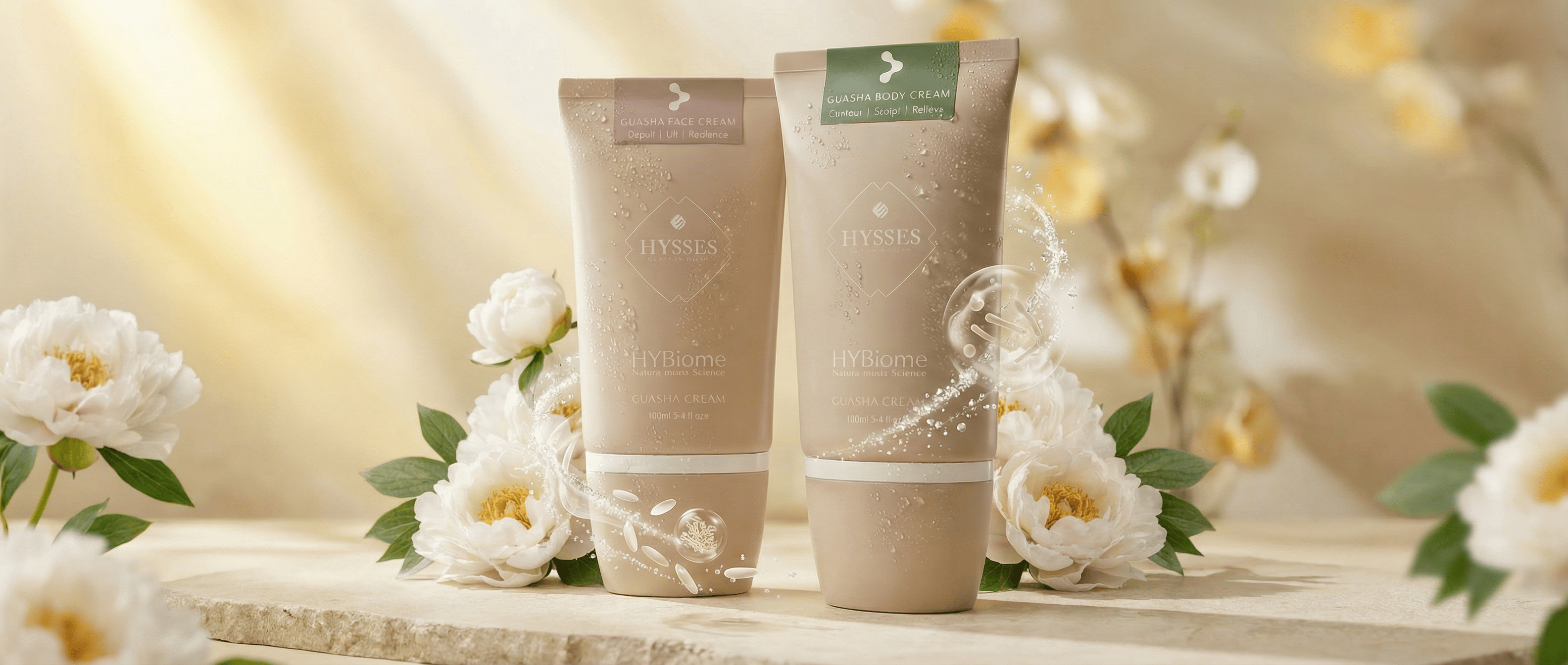
The HYBiome collection by HYSSES combines rice ferment biotics with Traditional Chinese Medicine-inspired botanicals to support barrier recovery, hydration, and long-term skin resilience.
The collection was developed to support modern skin concerns caused by environmental stress, over-cleansing, and weakened skin barriers.
Key Ingredients in HYBiome
Rice Ferment Biotics
Helps support microbiome balance and strengthen the skin barrier.
Cica (Centella Asiatica)
Known for Supports skin repair, calms visible redness, and helps improve firmness and resilience over time.
TCM Botanical Support
Inspired by traditional wellness philosophies that prioritize harmony and restoration.
Supporting Skin Wellness Through Aromatherapy Rituals
At HYSSES, skincare wellness extends beyond topical care. Emotional wellbeing, stress management, and environmental balance also play important roles in long-term skin health. Explore the HYSSES Essential Oils Collection.
Recommended Essential Oils for Relaxation and Wellness Rituals
Lavender Essential Oil
Floral, calming, and comforting for bedtime and relaxation rituals.
Spike Lavender Essential Oil
Sharper and fresher with clarifying aromatic notes.
Frankincense Essential Oil
Grounding and warm for mindfulness routines.
Bergamot Essential Oil
Bright citrus notes that help create a peaceful atmosphere.
Tea Tree Essential Oil
Fresh and purifying for wellness-focused environments.
How to Build a Microbiome-Friendly Skincare Routine
Supporting the skin microbiome does not require an overly complicated skincare routine.
Simple Ways to Protect Your Skin Barrier
-
Avoid over-cleansing
-
Limit harsh exfoliation
-
Use gentle hydration-focused skincare
-
Prioritize barrier repair
-
Reduce unnecessary active layering
-
Introduce calming wellness rituals
Complement your skincare routine with HYSSES wellness essentials, Diffusers Collection, Body Wash Collection, Nebuliser Cleaning Solution
Healthy skin is not simply about removing imperfections, it is about maintaining balance, resilience, and long-term barrier integrity.
In today’s skincare culture, where over-cleansing and excessive actives are increasingly common, microbiome-supportive skincare offers a gentler and more sustainable approach to skin wellness.
Rice ferment biotics help rebuild what harsh routines gradually strip away, supporting calmer, healthier, and more resilient skin over time.
Discover how microbiome science, aromatherapy expertise, and botanical wellness can work together in harmony for healthier skin. Explore the Hysses HYBiome Collection today!
Frequently Asked Questions (FAQs)
1. What are rice ferment biotics in skincare?
Rice ferment biotics are fermented rice-derived compounds that help support the skin microbiome and strengthen the skin barrier.
2. Are rice ferment biotics suitable for sensitive skin?
Generally, yes. Fermented rice ingredients are often well tolerated because they focus on supporting balance and hydration rather than aggressive exfoliation.
3. Can over-cleansing damage the skin barrier?
Yes. Excessive cleansing and exfoliation may disrupt the skin microbiome and acid mantle, leading to irritation, dehydration, and sensitivity.
4. What is the difference between prebiotics and probiotics in skincare?
Prebiotics nourish beneficial microbes already living on the skin, while probiotics introduce live microorganisms directly onto the skin.
5. Can stress affect skin barrier health?
Emerging research suggests stress may contribute to inflammation and skin sensitivity, which is why calming wellness rituals may complement healthy skincare habits.
Disclaimer
This guide is intended for educational and informational purposes only and does not constitute medical advice, diagnosis, or treatment. Individual skin responses may vary. Always perform a patch test before introducing new skincare products or essential oils into your routine. If you have persistent skin concerns or medical conditions, consult a qualified healthcare professional or dermatologist.
References
-
Zamil, D. H., Khan, R. M., Braun, T. L., & Nawas, Z. Y. (2022). Dermatological uses of rice products: Trend or true? Journal of Cosmetic Dermatology, 21(11), 6056–6060.

Share:
The Ultimate DIY Pet Care Guide for Natural and Safe Grooming
How to Make a DIY Aromatherapy Gift Set with Essential Oils