

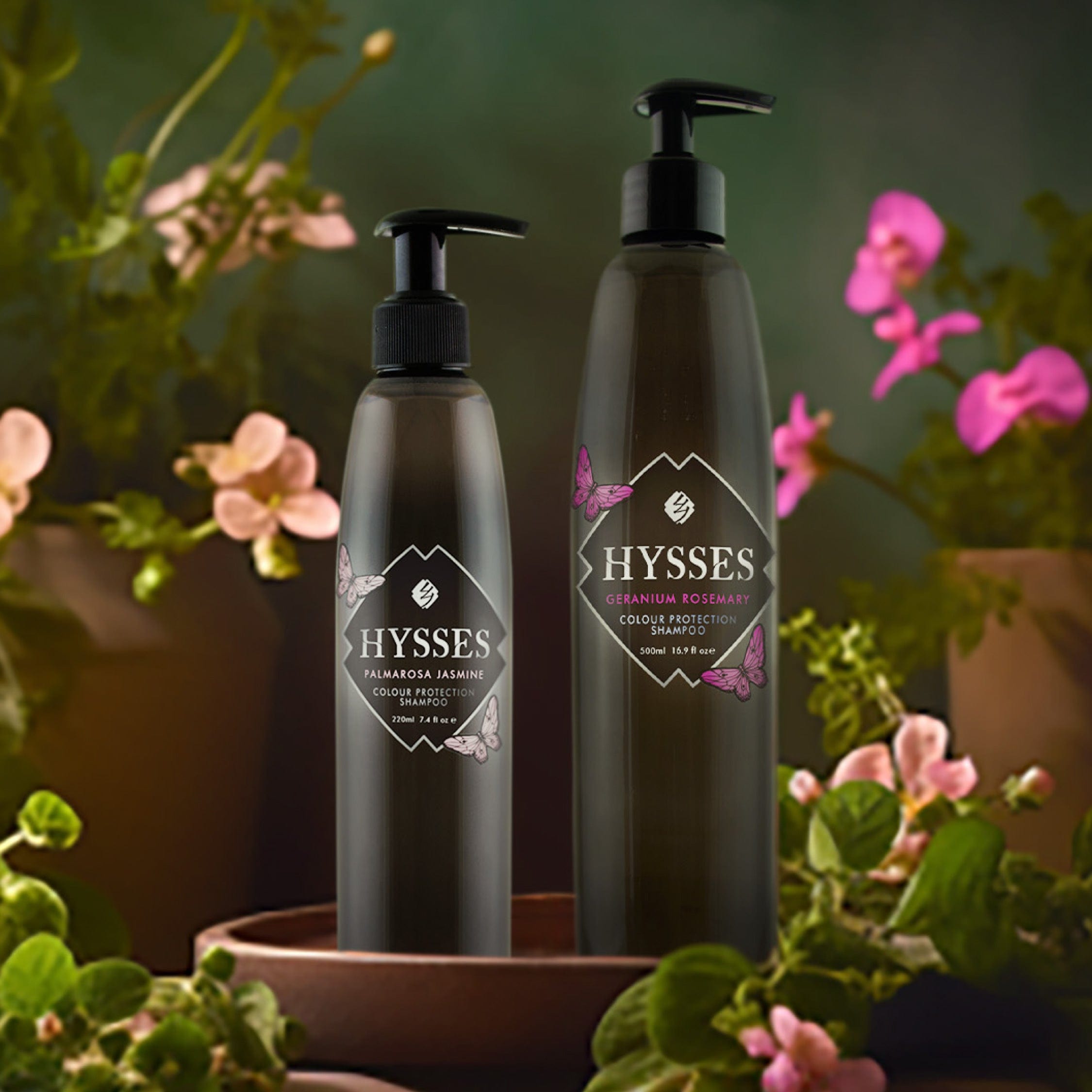
Having a sensitive scalp can mean that every wash feels like a gamble. What should feel refreshing often ends in itching, flaking or discomfort. Many of these symptoms trace back to the very shampoo you use. Typical commercial formulas rely on strong surfactants, heavy fragrances and additives that can strip the scalp of its natural oils and disturb its delicate defence systems.
At Hysses, founder and Managing Director Cheryl Gan emphasises:
“Our goal is to cleanse gently, restore balance and support the scalp’s natural health - not to strip it or cover symptoms with aggressive chemistry.”
By returning to plant-based and essential-oil infused formulas, you allow your scalp to breathe, to heal and to feel comfortable while your hair gets the care it needs.
Understanding What Causes Scalp Sensitivity
Scalp sensitivity can arise from multiple origins - stress, hormonal fluctuations, dry air or pollution - but one of the most direct factors is the type of shampoo you’re using.
Key triggers include:
-
Harsh foaming agents, which can over-cleanse and remove protective oils, leaving the scalp vulnerable.
-
Artificial fragrances, synthetic dyes and strong preservatives, which may irritate or provoke reactions in those with a lower tolerance threshold.
-
Imbalance of the scalp microbiome and barrier function: according to Brenaut et al., 2021, “A sensitive scalp … is defined by unpleasant sensations (tingling, burning, pain, pruritus) triggered by stimuli that should not cause such sensations.”
When you choose a gentle formula that respects the scalp’s biology, you reduce the risk of reactivity, flare-ups and ongoing discomfort.
How Shampoo Affects Scalp Health
A healthy scalp maintains a balanced microbiome (beneficial bacteria) and protective oils that support hair follicles and the skin surface. An aggressive shampoo disrupts this balance - leading to dryness, inflammation or over-production of oil.
In contrast, a scalp-soothing shampoo:
-
Cleanses without stripping the natural oils
-
Supports skin-cell hydration and barrier repair
-
Maintains or restores the scalp’s pH and microbiome balance
Dermatologists note that people with sensitive scalps often benefit from switching to gentler surfactant formulas.
For many, less frequent washing also helps - over-washing can leave the scalp thin and more reactive. A study done by Supriya Punyani et.al found satisfaction improved when washing 5–6 times per week, but for sensitive scalps it may be even less.
Signs You Need a Sensitive-Scalp Shampoo
You may want to switch if you experience any of the following after shampooing:
-
Itchy or tight scalp that persists beyond just a wash
-
Persistent flakes or redness despite changing your environment or routine
-
Sensitivity to shampoos that previously felt fine
-
Burning or discomfort when you apply scalp or hair-care products
These signs indicate that the scalp is reacting and needs a gentler approach that restores comfort rather than further triggers sensitivity.
Choosing the Right Natural Shampoo
Here are the key criteria for selecting a gentle, effective shampoo for a sensitive scalp:
-
very mild surfactants - cleanses without stripping.
-
Pure essential oils like Lavender, Peppermint, Lemongrass, Rosemary, Jasmine or Eucalyptus - chosen for their calming, antimicrobial or balancing roles.
-
Minimal synthetic fragrance or hypo-allergenic scent to avoid irritants.
-
pH-balanced formulation to match the scalp’s natural acidity and protect barrier function.
-
Hydrating botanical extracts that support the scalp skin rather than just cleansing hair.
A well-formulated shampoo addresses the root cause (irritation / imbalance) rather than simply masking symptoms.
Powerful Natural Ingredients That Make a Difference
In the Hysses formulation arsenal, the following essential oils stand out for sensitive scalp care:
Lavender Essential Oil: Known for its calming and soothing properties, lavender helps ease scalp irritation, supports circulation, and promotes overall scalp comfort.
Peppermint Essential Oil: Provides a refreshing, cooling effect that relieves itchiness and stimulates blood flow to the scalp, promoting a clean, revitalized feeling.
Bergamot Essential Oil: Gently balances scalp oil production while offering antibacterial benefits, helping to reduce buildup and maintain a healthy scalp environment.
Geranium Essential Oil: Helps regulate sebum levels and calm scalp sensitivity, leaving the scalp balanced and comfortable.
Chamomile Essential Oil: Renowned for its anti-inflammatory and soothing effects, chamomile gently comforts sensitive or irritated scalps.
Jasmine Essential Oil: Offers a luxurious aroma while moisturizing and softening the scalp, helping to reduce dryness and flakiness.
Palmarosa Essential Oil: Known for its hydrating and antibacterial properties, it helps maintain moisture balance and protect the scalp’s natural barrier.
Hinoki Essential Oil: Traditionally used in Japanese wellness care, hinoki supports scalp relaxation and promotes a feeling of purity and balance.
Eucalyptus Essential Oil: Naturally cleansing and refreshing, eucalyptus helps remove impurities and soothe scalp discomfort.
Lemongrass Essential Oil (Cymbopogon citratus): Shown to improve dandruff and balance excess oil, helping maintain a clean, fresh scalp.
Rosemary Essential Oil: Encourages healthy circulation to the scalp and has been linked to stronger, healthier hair growth.
Using these oils in a shampoo base that avoids harsh ingredients creates a gentle, effective routine for sensitive scalps.
Why Hysses Shampoo Stands Out
Hysses has expertly combined aromatherapy science and scalp skin biology. Here’s how:
-
Every Hysses shampoo uses 100% pure essential oils from Hysses’ own range (see our Essential Oils Collection for reference).
-
Our formulations are free from synthetic additives, strong alcohols and aggressive detergents - designed for delicate scalp care.
-
For example, the Shampoo Lavender Chamomile is explicitly labelled “Suitable for Baby, Sensitive, and all hair types” and highlights Lavender for circulation boost + Chamomile for calming.
-
Another product, Shampoo Lemongrass, emphasises sebum-balance and detoxifying buildup - indicating Hysses’ attention to scalp microbiome and oil-control.
In short: when you choose Hysses’ shampoo you’re choosing a formula built for scalp comfort, sensory delight and ongoing balance.
How to Use Shampoo for Sensitive Scalp the Right Way
To maximise benefits:
-
Wet your hair and scalp thoroughly with lukewarm water (avoid hot water which can provoke irritation).
-
Apply a small amount of shampoo (pump or cap-sized) and gently massage into your scalp with fingertips - not nails - to stimulate circulation and avoid micro-trauma.
-
Let the essential-oil blend dwell for about 1–2 minutes so the oils can act before rinsing - this allows the scalp time to absorb and respond.
-
Rinse thoroughly with lukewarm water, then optionally apply a gentle conditioner on lengths (scalp area should remain mostly lightweight).
-
For a sensitive scalp, limit washing to 2–3 times per week - this avoids over-cleansing and supports the scalp’s natural barrier.
-
On non-wash days, avoid heavy products on scalp; use a light mist or leave-in tonic if needed.
-
Perform a patch test when introducing any new product or essential oil blend - especially on sensitive skin.
What to Expect When You Switch to Natural Shampoo
When you make the switch to a gentle, essential-oil based shampoo like those from Hysses, here’s a timeline to what you might experience:
-
Week 1–2: Your scalp may feel slightly different - it’s adapting to fewer harsh detergents and more botanical action. It might feel “lighter” or less coated.
-
Week 3–4: You should notice less itching, less redness and less tightness. Hair may feel more “natural” rather than weighed down by heavy surfactants.
-
6–8 weeks onward: The scalp barrier is better supported, microbiome balance improves, and hair levels out in texture, shine and comfort. Your hair feels soft, manageable and irritation-free.
-
Long-term: Ongoing use supports scalp resilience, reduces flare-ups and ultimately means fewer “bad wash days.” It becomes a routine of comfort rather than compromise.
Importantly: this isn’t about overnight “miracles,” but about restoration, consistency and smart, gentle care.
A sensitive scalp deserves more than a quick fix - it deserves a mindful, gentle solution from nature and science combined. Switching to a shampoo rooted in real essential-oil expertise and scalp science is a step toward lasting comfort and healthier hair.
Say goodbye to scalp irritation and rediscover comfort with every wash. Shop Hysses’ natural shampoo for sensitive scalp and experience the soothing power of pure essential oils today.
Frequently Asked Questions (FAQs)
Q1: Is it safe to use essential-oil based shampoo if I have a very sensitive scalp?
Yes, provided the formulation is gentle, free from harsh detergents and you patch-test first. As noted in a peer-reviewed study, sensitive scalp is common and triggers include cosmetic products.
Q2: How often should I shampoo if I have a sensitive scalp?
Typically 2–3 times per week is sufficient for someone with a sensitive scalp. Over-washing can undermine the scalp’s natural oil and barrier. One study found fewer than daily washes supported better satisfaction.
Q3: Which essential oils are beneficial for scalp comfort and hair health?
Tea Tree oil (antimicrobial, anti-fungal) has clinical support (e.g., 5 % in shampoo improved dandruff 41%) (PubMed); Lemongrass has evidence for dandruff and scalp oil control. (Verywell Health) Other soothing oils include Lavender, Ylang-Ylang, Sandalwood, Geranium.
Q4: When using Hysses shampoo, should I also use conditioner or leave-in products?
Yes, on the lengths of the hair you may apply a gentle conditioner or leave-in volume mist, but keep the scalp area lightweight so the scalp can reap the benefits of the essential-oil formula without extra build-up.
Disclaimer
This guide is intended for educational and informational purposes only. It does not replace professional medical advice, diagnosis or treatment. If you have a severe scalp condition, persistent symptoms, or medical concerns, please consult a qualified dermatologist or healthcare provider.
References

Share:
Benefits of Essential Oils in Shampoo You Didn’t Know
How to Use Shampoo the Right Way for Maximum Results