

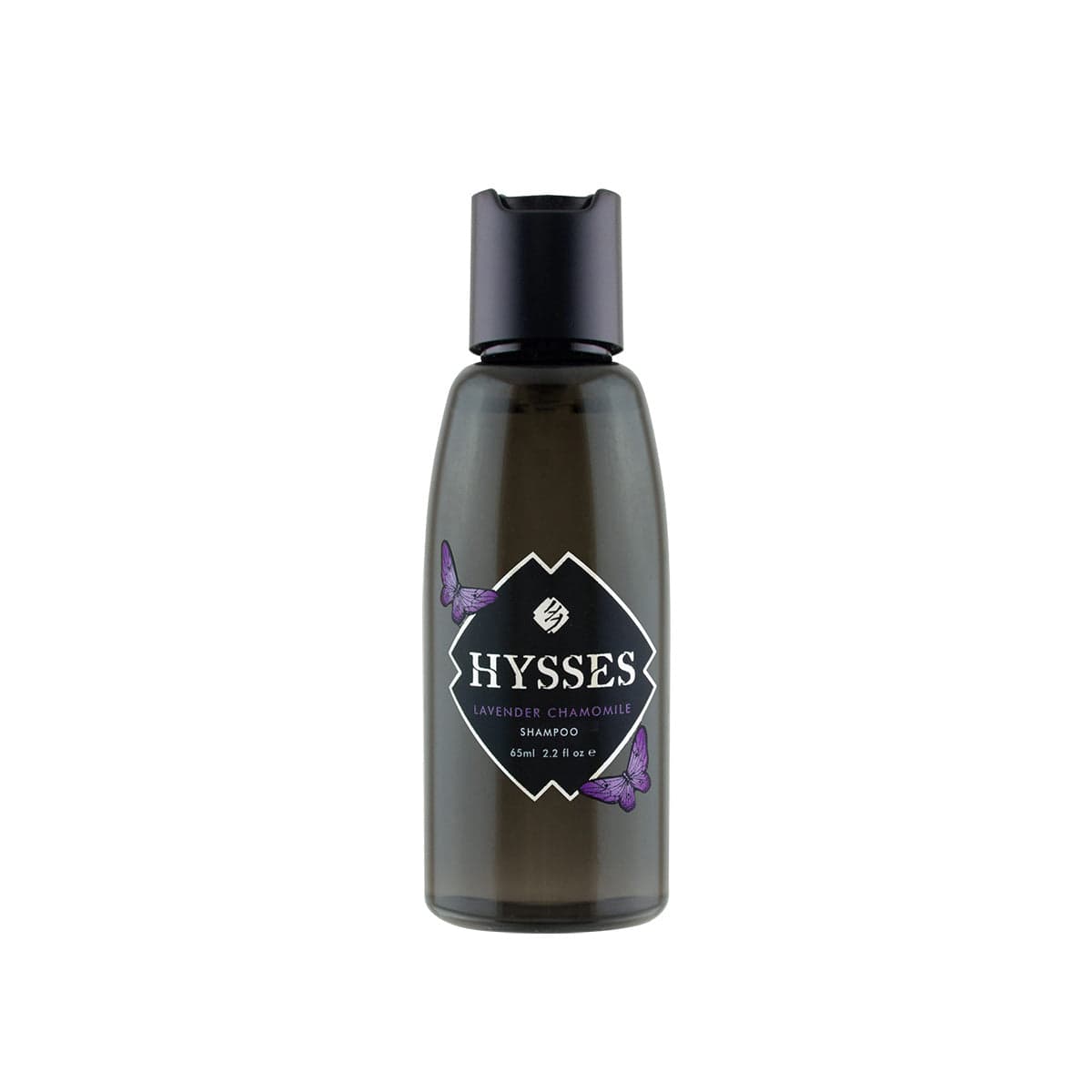
A great hair day doesn’t just depend on what shampoo you use, it depends on how you use it. While shampoo is a daily staple for most people, many are unaware that simple mistakes during washing can cause dryness, frizz, and even hair-loss. Learning how shampoo works and how to use it correctly can completely change how your hair looks and feels.
Why the Way You Use Shampoo Matters
Shampooing isn’t merely about cleaning your hair. It’s about maintaining a healthy scalp environment, protecting your strands, and enhancing natural shine. When used correctly, shampoo removes dirt, oil, and buildup while keeping your scalp balanced.
“The scalp is the foundation for hair health - if cleansing is too aggressive or too frequent, we disrupt the scalp barrier that supports strong, vibrant hair,” says Cheryl Gan, Founder and Managing Director of Hysses.
But when used incorrectly - like applying too much product, skipping thorough rinsing, or over-washing - it can strip away essential oils, leaving your scalp dry and your hair dull.
Many people wonder, “Do I have to shampoo my hair every day?” The answer depends on your hair type. For oily scalps, more frequent washing might help control buildup, while dry or curly hair benefits from less frequent cleansing. Understanding your scalp’s needs helps you choose a routine that supports long-term health.
How Shampoo Works: The Science Behind the Suds
To use shampoo effectively, it helps to understand how shampoo works. Shampoo contains cleansing agents called surfactants, which attract and remove dirt and oil from the scalp and hair. The process lifts impurities without damaging the scalp barrier when done right.
According to a 2025 study published in BMC Microbiology (Li et al., 2025), excessive cleansing can alter the scalp microbiome’s diversity, potentially affecting scalp sensitivity and oil balance. When you use shampoo correctly, you preserve the natural oils that keep hair resilient and shiny.
However, excessive use or applying shampoo directly to dry hair can disrupt your scalp’s microbiome and natural oil balance.
Step-by-Step: The Right Way to Shampoo
The key to a great wash begins before the shampoo even touches your hair. Start by thoroughly wetting your hair with lukewarm water. Water helps open the cuticle and ensures the shampoo spreads evenly. Using cold water can make shampooing less effective, while very hot water can dry your scalp.
Next:
-
Squeeze an appropriate amount of shampoo into your palm - usually a coin-sized amount for short hair, and slightly more for long or thick hair. Overusing shampoo doesn’t mean cleaner hair; it often means a drier scalp.
-
Pre-lather the shampoo in your hands before applying it to your scalp. This helps distribute the product evenly and avoids over-concentration in one area.
-
Apply and gently massage with your fingertips (not nails), focusing on the scalp rather than the lengths. The scalp is where oil and buildup accumulate, while your hair lengths will be naturally cleansed as the shampoo rinses through them. This massage step also stimulates blood circulation, promoting stronger, healthier hair growth.
-
Rinse thoroughly to remove all traces of product - leftover shampoo can lead to buildup, itchiness, and dullness. If you use heavy styling products or have oily hair, repeat the process once more. However, for normal or dry hair, a single wash is often enough.
How Often Should You Use Shampoo?
There’s no one-size-fits-all rule for shampoo frequency. Your ideal routine depends on your hair type, lifestyle, and environment.
-
Fine or oily hair may need washing every day or every other day.
-
Coarse, curly, or colour-treated hair should be shampooed less often to retain moisture.
Over-washing can strip your scalp’s natural oils, leading to increased oil production as your skin tries to compensate. On the other hand, washing too infrequently can result in buildup that weighs your hair down. Striking a balance ensures your scalp stays clean without losing its natural protection.
For those who need quick refreshes between washes, learning how to use dry shampoo can help. Dry shampoo absorbs excess oil and adds volume without water, making it ideal for in-between days. However, it shouldn’t replace regular shampooing entirely. Also, if you’re wondering, “Can I use dry shampoo before colouring hair?” - it’s best not to, as residue may interfere with dye absorption.
Shampoo vs Conditioner: A Perfect Partnership
A great shampoo routine doesn’t end in the shower - it continues with the right conditioner. Shampoo opens up your hair cuticles to remove dirt and oil, while conditioner seals them back, locking in moisture and nutrients. Skipping conditioner can make your hair feel rough and unmanageable.
Choose a conditioner that complements your shampoo. If you’re using a natural or essential oil-based shampoo from Hysses, opt for a conditioner from the same range to maintain balance. Apply conditioner mainly to the mid-lengths and ends, avoiding the scalp to prevent greasiness.
Choosing the Right Shampoo for Your Hair Needs
Not all shampoos are created equal. The ingredients and formulation matter greatly in determining results. Many commercial shampoos rely on harsh sulfates and synthetic fragrances that can irritate sensitive scalps. On the other hand, essential oil-based shampoos, such as those from Hysses, are designed to cleanse gently while delivering botanical nourishment.
Hysses shampoos use 100% pure essential oils that not only clean effectively but also provide aromatherapeutic benefits. Ingredients like Lavender Essential oil , Peppermint Essential oil, Bergamot Essential oil, Geranium Essential oil, Chamomile Essential oil, Jasmine Essential oil, Palmarosa Essential oil, Hinoki Essential oil, Eucalyptus Essential oil, Lamongrass Essential oil and Rosemary Essential oil help balance scalp oil, soothe irritation, and strengthen hair naturally. This makes Hysses a perfect choice for anyone seeking both performance and purity in their haircare routine. Explore the Hysses Natural Shampoos collection for full details.
Bonus Tips for Maximizing Your Shampoo Results
A few simple changes can make your shampoo routine far more effective:
-
Always use lukewarm water when washing and rinsing your hair to avoid dryness.
-
Avoid rubbing shampoo into the ends of your hair; instead, let it cleanse as you rinse.
-
Switch shampoos seasonally - lighter formulations for humid months and more moisturizing ones for colder weather - to adapt to changing hair needs.
-
Store your shampoo in a cool, dry place, away from direct sunlight to preserve its natural ingredients and extend shelf life.
Why Hysses Shampoo Delivers Maximum Results Naturally
What sets Hysses apart is its commitment to natural purity and performance. Each bottle is free from parabens, and artificial fragrances, replacing them with essential oils and botanical extracts that respect your scalp’s natural balance.
Beyond cleansing, Hysses shampoos nourish deeply, leaving hair smooth, radiant, and healthy from root to tip. Using Hysses is more than a cleansing step - it’s a sensory experience. The aromatherapeutic scents calm your mind as you wash, turning your hair-care routine into a moment of relaxation and renewal.
Proper shampoo use can completely transform your hair’s health and appearance. From understanding how shampoo works to mastering application techniques, each step contributes to stronger, shinier, and more manageable hair. Whether you wash daily or a few times a week, using the right amount and pairing it with a suitable conditioner makes all the difference.
If you’re ready to take your hair care to the next level, explore Hysses’ essential oil shampoos -crafted to deliver maximum results naturally, so you can enjoy healthy, vibrant hair every day.
Frequently Asked Questions (FAQs)
-
How much shampoo should I use for optimal cleansing?
Use a coin-sized amount for short hair and slightly more for long or thick hair. Overuse doesn’t clean better - it can strip your scalp of natural oils. -
Is it better to shampoo daily or less frequently?
It depends on your hair type and scalp condition. Oily scalps may benefit from more frequent washing, while dry or curly hair often needs less frequent shampooing to retain moisture. -
What water temperature should I use when washing my hair?
Lukewarm water is best - it opens the cuticle for cleansing without over-drying. Very hot water can irritate your scalp and damage hair. -
Do I need to pair my shampoo with a conditioner?
Yes. Shampoo opens cuticles and removes excess oil; conditioner helps seal moisture and restore smoothness. Skipping conditioner can leave hair rough and unmanageable. -
How do I choose a shampoo that’s right for me?
Look for gentle, essential-oil-based formulas without sulfates or harsh synthetic fragrances. For example, Hysses shampoos use high-quality essential oils like Lavender, peppermint and Bergamot to support scalp balance and hair resilience.
Disclaimer
This guide is intended for educational and informational purposes only. It is not a substitute for professional medical advice, diagnosis or treatment. Always consult your healthcare provider or a qualified trichologist for individual concerns about your scalp or hair.
References
Internal links
-
Hysses. (n.d.). The Power of Essential Oils: Uses for Physical and Emotional Wellness. Retrieved from https://my.hysses.com/blogs/hysses-discovery/the-power-of-essential-oils-uses-for-physical-and-emotional-wellness

Share:
Shampoo for Sensitive Scalp: The Natural Alternative
DIY Hair Routine with Hysses Shampoo and Essential Oils