

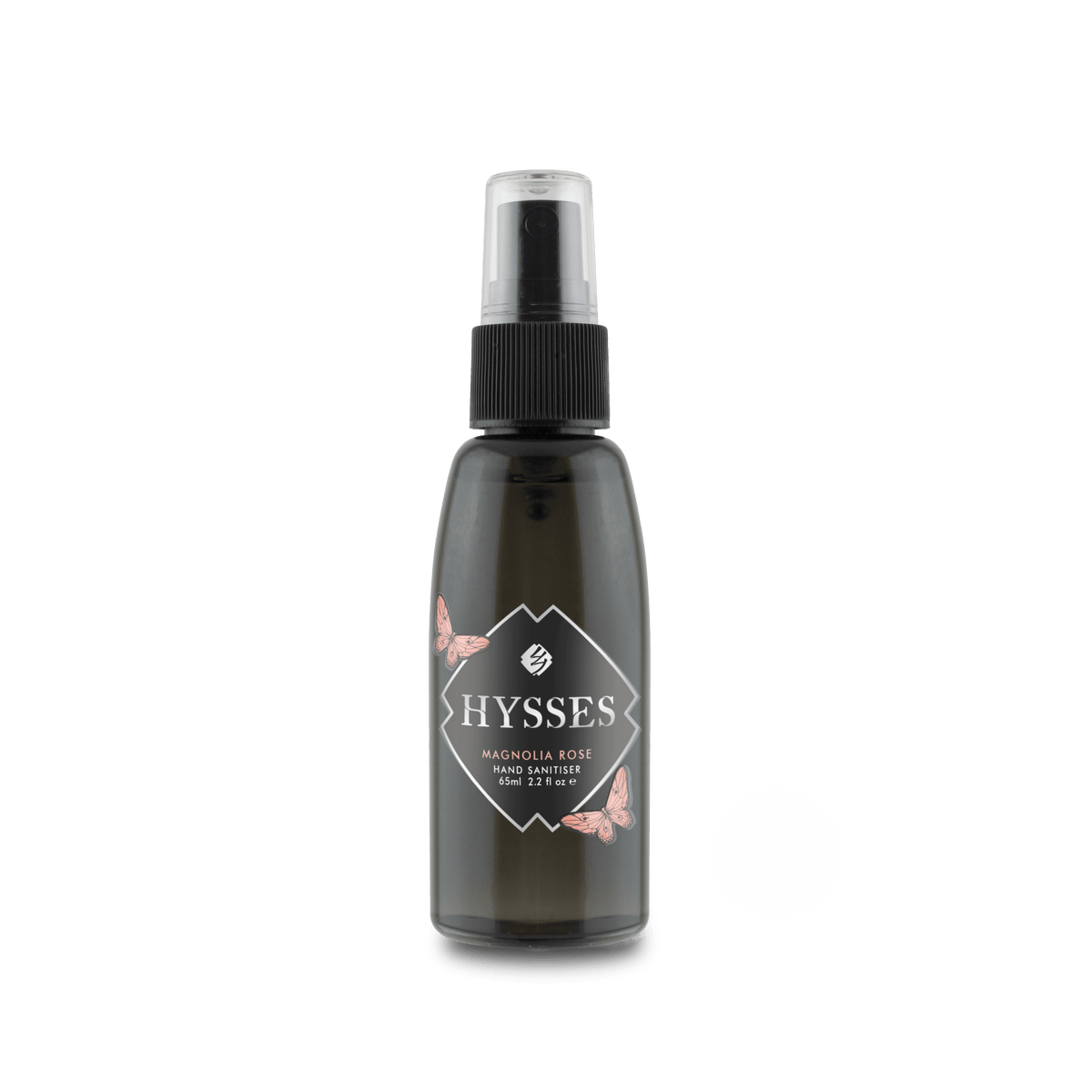
In today’s fast-paced world, a bottle of hand sanitiser has become as essential as your keys or phone. From schools and offices to public transport and shopping centres, it is everywhere, promising quick protection with just a few drops. Yet as its use becomes second nature, many still wonder: how effective is hand sanitiser really, and when should it be used instead of soap and water?
Understanding how hand sanitiser works, when it provides the most protection, and its real limitations helps you make informed choices for everyday hygiene.
What Hand Sanitiser Really Is
Hand sanitiser is a topical solution designed to quickly reduce the number of microbes on your hands without the need for water. There are two main types: alcohol-based and non-alcohol-based.
Alcohol-based sanitisers are the most common and proven to be effective. They usually contain ethanol or isopropyl alcohol combined with water, glycerin, or other moisturising agents to protect the skin. According to the World Health Organization, sanitisers with at least 60 per cent alcohol are necessary to effectively eliminate most germs.
Non-alcohol-based options use ingredients such as benzalkonium chloride. While these can reduce some microbes, studies such as one published in the Journal of Hospital Infection (2021) show they are less effective against certain viruses compared to alcohol-based formulas.
Alcohol works by breaking down the protective membranes of many bacteria and viruses, rendering them inactive. This rapid action is what makes a well-formulated sanitiser an essential part of on-the-go protection.
“The effectiveness of a sanitiser depends on both its alcohol concentration and the stability of its formulation,” explains Cheryl Gan, Founder and Managing Director of HYSSES, Barn & Potter Manufacturing, and 365Days. “At HYSSES, we design our sanitisers to balance potency with skin-friendly botanicals, ensuring both safety and comfort.”
How Effective Is Hand Sanitiser at Killing Germs?
When formulated with the right alcohol concentration, hand sanitiser can eliminate up to 99.9 per cent of many common germs. It is especially effective against viruses such as influenza and coronaviruses, which spread easily through human contact.
However, concentration is key. Products containing between 60 and 80 per cent alcohol perform best. Above 90 per cent, alcohol can evaporate too quickly to work effectively.
While sanitisers are highly effective against most bacteria and viruses, they may not fully neutralise pathogens such as norovirus or certain parasites. In these cases, handwashing with soap and water remains essential.
When Hand Sanitiser Works Best
Sanitiser is most useful when soap and water are unavailable. Common situations include:
-
After touching public handrails, lift buttons, or door handles
-
After handling cash or using an ATM
-
Before eating when outdoors or travelling
-
After coughing, sneezing, or touching your face
For maximum protection, apply a coin-sized amount, then rub your hands together for at least 20 seconds, covering fingertips, thumbs, and between the fingers until dry. Missing areas reduces effectiveness.
When Hand Sanitiser Is Less Effective
Sanitiser is less effective when hands are visibly dirty, greasy, or oily, as residues can block alcohol from reaching germs. After cooking, gardening, or handling raw meat, wash thoroughly with soap and water.
It also does not remove harmful chemicals or heavy metals. If exposed to substances such as pesticides or cleaning products, always use soap and water instead.
Health authorities, including the Centers for Disease Control and Prevention (CDC), recommend using sanitiser as a supplement, not a replacement, for proper handwashing.
Hand Sanitiser vs Soap and Water
Soap and water remain the gold standard for removing visible dirt and certain germs. Soap not only kills many microorganisms but also physically lifts them away from the skin.
However, sanitiser offers unmatched convenience and speed. It is ideal for travel, workspaces, and public environments where washing facilities are not easily available. A balanced routine of both provides the best overall protection.
Common Myths About Hand Sanitiser
Myth 1: Hand sanitiser can replace all handwashing.
False. Sanitiser is less effective on soiled or greasy hands. It is meant to complement, not replace, washing.
Myth 2: Germs can become resistant to hand sanitiser.
False. Alcohol destroys germs by breaking down their structure instantly. There is no adaptation process as seen with antibiotics.
Myth 3: Alcohol-free sanitisers work just as well.
False. Studies published in Harvard Health (2022) confirm that alcohol-based sanitisers remain the most effective option for broad protection.
Choosing the Right Hand Sanitiser
When selecting a hand sanitiser, prioritise both effectiveness and skin comfort. Look for:
-
At least 60–70 per cent alcohol content for reliable germ elimination
-
Botanical ingredients such as aloe vera, glycerin, or essential oils to prevent dryness
-
Trusted, certified brands with clearly listed ingredients
In Singapore, HYSSES Hand Sanitisers are formulated with botanical extracts to cleanse gently while maintaining natural skin moisture. Explore the HYSSES Hand Sanitiser Collection for effective, skin-friendly options suitable for daily use.
Safe Storage and Use
-
Keep bottles tightly closed and store them away from heat and direct sunlight.
-
Supervise children during use to prevent ingestion.
-
Avoid using sanitiser near open flames or while smoking.
-
Refill bottles only when clean and dry to maintain product integrity.
Most sanitisers remain effective for about two to three years. Always check the expiry date before use.
Eco-Friendly Choices
Refilling is an environmentally responsible way to reduce waste. Large refill packs not only save cost but also minimise plastic use. Choose eco-conscious brands like HYSSES, which offers refillable formats crafted from recyclable materials.
By refilling responsibly, you contribute to a cleaner, more sustainable environment.
Hand sanitiser remains one of the most practical tools for maintaining hygiene in daily life. Its true effectiveness depends on choosing the right formulation, applying it correctly, and understanding when to use it.
For Singapore consumers seeking natural, effective protection, HYSSES Hand Sanitisers combine high-quality alcohol bases with gentle botanicals for a refreshing and reliable cleanse. Keep your hands protected wherever you go and make every use part of a mindful, sustainable hygiene routine.
Explore the HYSSES Hand Sanitiser Collection to find trusted options designed for comfort, safety, and everyday convenience.
Frequently Asked Questions
1. Is alcohol-free sanitiser effective?
Alcohol-free sanitisers can reduce some germs but are generally less effective than those containing at least 60 per cent alcohol.
2. How often should I use hand sanitiser?
Use sanitiser whenever you have touched public surfaces or objects. Wash with soap and water whenever possible to remove dirt build-up.
3. Does hand sanitiser expire?
Yes. The alcohol content can decrease over time. Check the expiry date and replace older products.
4. Can frequent sanitiser use damage skin?
Frequent use may dry the skin slightly. Moisturising or naturally formulated sanitisers help reduce this effect.
5. Where can I buy sanitiser in Singapore?
You can purchase high-quality options from the HYSSES Hand Sanitiser Collection.
Disclaimer
This guide is intended for educational and informational purposes only. It should not replace professional medical or hygiene advice. Always follow product labels and local health guidelines when using hand sanitiser.
References
-
World Health Organization. (2020). Guide to Local Production: WHO-recommended Handrub Formulations.
-
Centers for Disease Control and Prevention. (2023). Show Me the Science – When & How to Use Hand Sanitiser.
-
Journal of Hospital Infection. (2021). Effectiveness of Alcohol-Based Hand Rubs in Reducing Pathogens.
-
Harvard Health Publishing. (2022). Hand Sanitisers: What Works and What Doesn’t.
Related Articles
-
How to Refill Hand Sanitiser Bottles Safely and Efficiently
-
Understanding the Role of Essential Oils in Everyday Hygiene
-
Simple Ways to Create a Healthier Home Environment

Share:
How to Refill Hand Sanitiser Bottles Safely and Efficiently
Top CNY Gift Ideas: Clay Diffusers, Room Scents & Aromatherapy Hampers