

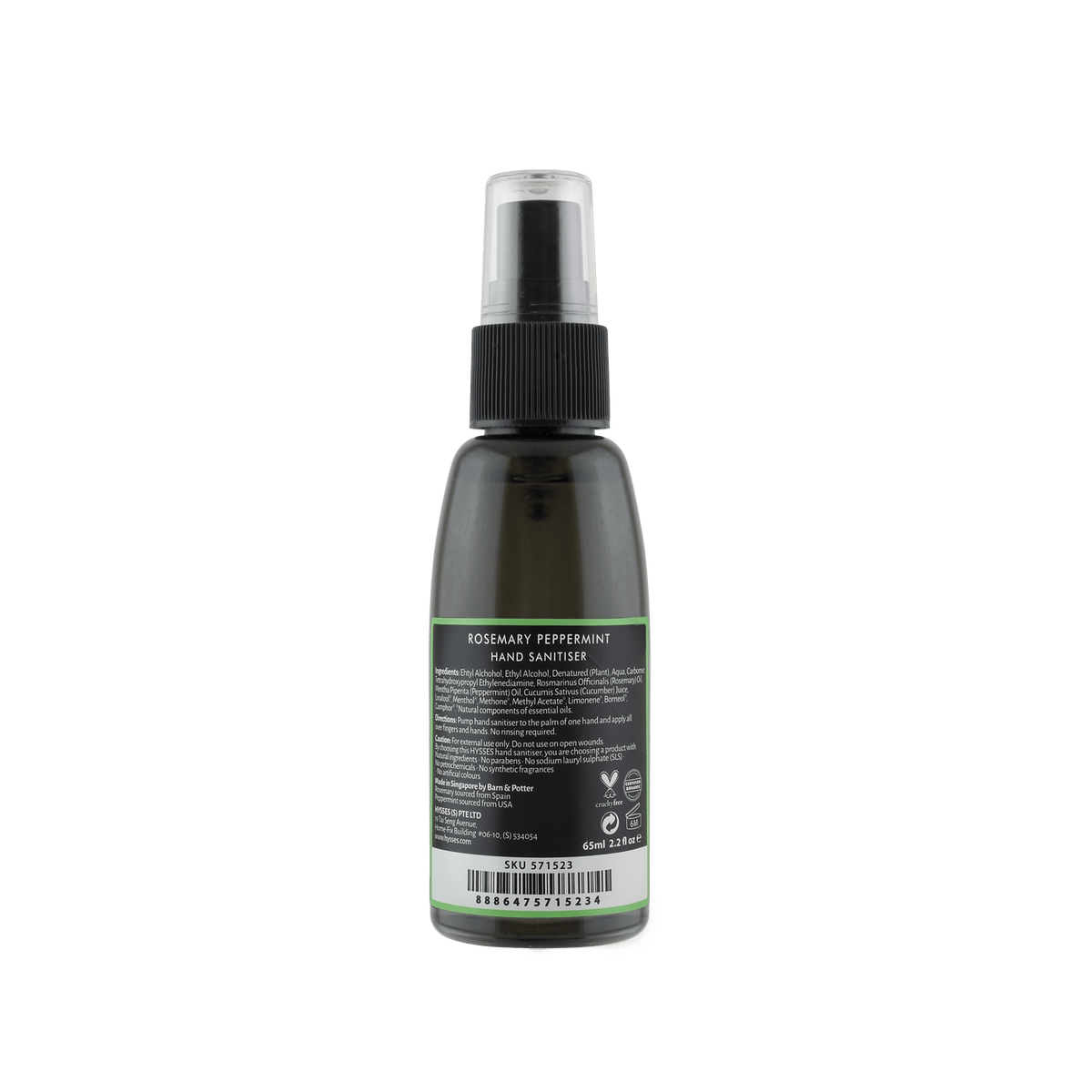
Refilling your hand sanitiser bottles is a simple habit that makes a meaningful difference. It saves money, reduces plastic waste, and ensures you are always prepared wherever you go. With sanitiser use now part of daily life, it is important to know how to refill safely without affecting quality or risking contamination.
Refilling correctly helps your sanitiser remain just as effective and convenient as the first use. Keep hygiene easy, sustainable, and effective by learning how to refill smartly.
Why Refilling Makes Sense
Refilling your hand sanitiser bottles is practical for three key reasons: it is kinder to the environment, lowers your costs, and ensures you always have a steady supply. By reusing plastic bottles, you reduce single-use waste, especially if you rely on small travel bottles. Buying a large refill pack or jug also costs far less per millilitre than purchasing several small bottles.
Refilling also offers convenience. You can top up pocket-sized bottles from a larger container, keeping protection within reach in your car, bag, or at your desk. It is a small effort that maintains consistent hygiene.
What You Need Before Refilling
To refill hand sanitiser bottles safely, gather the right supplies and select a suitable sanitiser.
-
Choose an alcohol-based sanitiser: Use a product containing at least 60% ethanol or 70% isopropyl alcohol. Alcohol-based gels or liquids designed for hand use are effective against most germs when used correctly.
-
Clean containers and tools: Use a funnel or refill pump to avoid spills. Ensure bottles, transfer containers, and surfaces are thoroughly cleaned and dried.
-
Labels and marker: Label bottles with the product name, alcohol percentage, and refill date. This helps track shelf life and ensures safe use around children.
-
Protective items: For large refills, use gloves and eye protection to prevent accidental contact.
Step-by-Step Refilling Process
-
Clean the bottle: Rinse the empty bottle with warm water and mild soap, then allow it to dry completely. This prevents residue or bacteria from contaminating the new sanitiser.
-
Prepare a clean workspace: Use a flat, sanitised surface and avoid cluttered areas. Wipe the area with disinfectant before refilling.
-
Pour with care: Place a funnel into the bottle opening and pour slowly from your refill container. Leave a small air gap at the top to prevent leaks.
-
Seal and label: Close the bottle securely and label it clearly with “Hand Sanitiser” and the alcohol percentage.
Safety Precautions
Hand sanitiser is flammable because of its high alcohol content. Store large refill containers in a cool, dry area away from direct sunlight, heaters, or open flames.
Do not mix different types of sanitiser. Combining formulas may lower the alcohol concentration and reduce effectiveness. Handle bulk sanitiser in well-ventilated areas, and avoid smoking or using open flames nearby.
Choosing the Right Hand Sanitiser for Refills
Not all sanitisers are equally effective. Alcohol-based sanitisers remain the most reliable for killing germs. If you have sensitive skin, look for skin-friendly ingredients such as aloe vera or glycerin to prevent dryness.
For those wondering where to buy hand sanitiser in Singapore, HYSSES offers premium, skin-friendly options blended with botanical ingredients for comfort and care.
Explore the HYSSES Hand Sanitiser Collection for refill sizes suitable for both home and travel use.
Storing Refilled Bottles
Store refilled bottles in a cool, shaded place away from direct sunlight, as heat can reduce alcohol potency. Use bottles with tight-sealing caps to prevent evaporation. Pump bottles are ideal for home or office use, while squeeze bottles suit travel.
Most unopened sanitisers last two to three years, while opened or refilled bottles should be used within 12 months. Replace any sanitiser that looks watery, smells unusual, or no longer feels effective.
Mistakes to Avoid
-
Do not use expired sanitiser for refills, as it loses its ability to kill germs.
-
Check bottles for cracks or leaks before refilling.
-
Avoid unwashed containers, which may introduce bacteria.
-
Always refill in a safe, ventilated area away from heat or flames.
Eco-Friendly Refilling Practices
Refilling is already sustainable, but you can take it further by choosing eco-conscious brands such as HYSSES. Look for biodegradable ingredients and recyclable packaging.
When bottles wear out, recycle them responsibly. Many local centres accept plastic containers. You can also participate in refill programmes that allow you to top up directly, reducing waste and promoting a greener lifestyle.
Refilling hand sanitiser bottles is more than a cost-saving measure; it is a responsible step towards hygiene and sustainability. By choosing the right product, cleaning bottles properly, and following safe handling practices, you ensure your sanitiser remains effective every time.
Stay protected wherever you go. Choose trusted, skin-friendly protection with HYSSES Hand Sanitisers, available in refillable formats that save more and waste less. Refill smart, refill safe, and stay ready with HYSSES.
Frequently Asked Questions
1. Is alcohol-free sanitiser effective?
Alcohol-free sanitisers can reduce some germs but are generally less effective than those containing at least 60 per cent alcohol.
2. How often should I use hand sanitiser?
Use sanitiser whenever you have touched public surfaces or objects. Wash with soap and water whenever possible to remove dirt build-up.
3. Does hand sanitiser expire?
Yes. The alcohol content decreases over time. Always check the expiry date and replace older products.
4. Can frequent sanitiser use damage skin?
Frequent use may cause mild dryness. Moisturising or naturally formulated sanitisers help prevent irritation.
5. Where can I buy sanitiser in Singapore?
You can purchase high-quality options from the HYSSES Hand Sanitiser Collection.
Disclaimer
This guide is intended for educational and informational purposes only. It should not replace professional medical or hygiene advice. Always follow product labels and local health guidelines when using hand sanitiser.
References
-
World Health Organization. (2020). Guide to Local Production: WHO-recommended Handrub Formulations.
-
Centers for Disease Control and Prevention. (2023). Show Me the Science – When & How to Use Hand Sanitiser.
-
Journal of Hospital Infection. (2021). Effectiveness of Alcohol-Based Hand Rubs in Reducing Pathogens.
Related Articles
-
The Benefits of Using Natural Essential Oils for Everyday Hygiene
-
How to Keep Your Workspace Fresh and Germ-Free with Essential Oils
-
Understanding the Role of Essential Oils in Skin Protection

Share:
Hand Sanitiser vs. Soap: Which One Works Better for Hygiene?
Is Hand Sanitiser Really Effective? What You Need to Know