

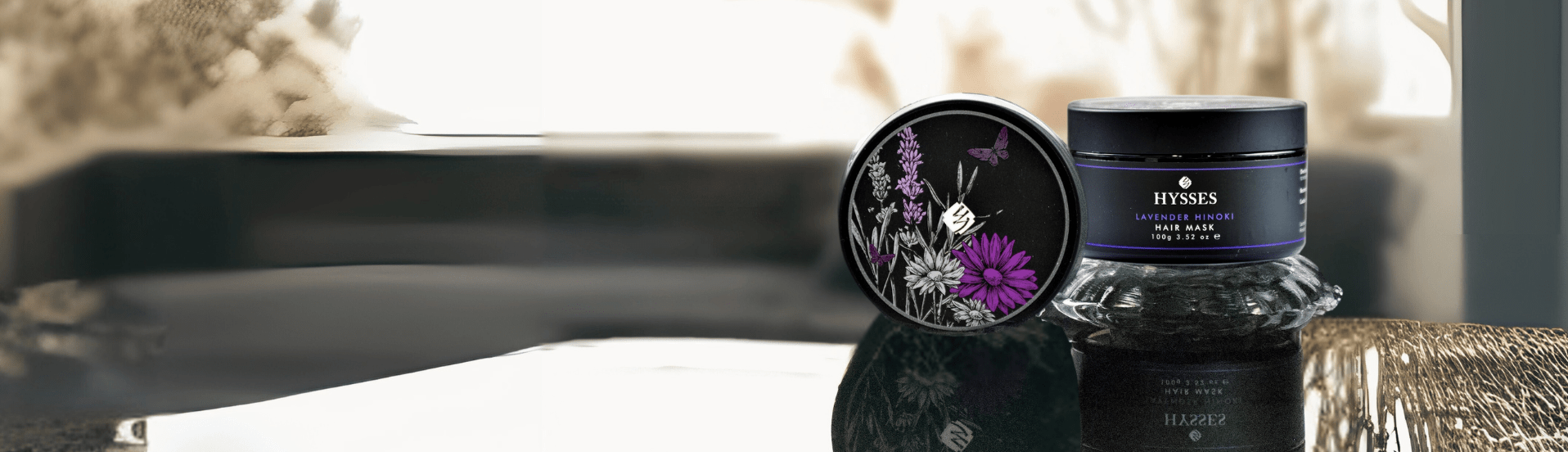
Dry, dull, and damaged hair is one of the most common beauty concerns in modern lifestyles. From frequent heat styling and chemical treatments to UV exposure and urban pollution, hair is constantly under stress. Over time, this leads to moisture loss, weakened strands, and reduced shine. A natural hair mask offers a powerful solution by working deeper than regular conditioners to restore hydration, strength, and vitality from within.
At HYSSES, hair and scalp wellness is approached through the science of aromatherapy and botanical formulation. Drawing on decades of experience in natural wellness manufacturing, Cheryl Gan, Founder and Managing Director of HYSSES, emphasises that true hair restoration begins with ingredient purity, scalp compatibility, and consistent care supported by essential oils and plant-based actives.
Understanding Why Hair Becomes Dry and Damaged
Dry and damaged hair is rarely caused by a single factor. Instead, it is usually the result of cumulative daily stress.
Common causes include:
-
Frequent blow-drying, curling, and straightening
-
Hair colouring, bleaching, perming, and rebonding
-
Prolonged sun exposure and UV damage
-
Chlorine, saltwater, and air pollution
-
Harsh shampoos and chemical-heavy styling products
Over time, these stressors erode the protective cuticle layer of the hair shaft. According to research referenced by Harvard Health Publishing, damage to the hair cuticle significantly impairs the hair’s ability to retain moisture, leading to dryness, frizz, and breakage.
If your hair feels rough, breaks easily, lacks elasticity, or shows visible split ends, these are clear signs that surface-level conditioning is not enough. This is where the deeper action of a hair mask becomes essential.
What Makes a Hair Mask Different from a Conditioner?
While conditioners smooth and soften the outer layer of the hair, a hair mask is formulated with a much higher concentration of nourishing ingredients. It penetrates deeper into the hair shaft, delivering targeted repair where damage occurs.
Key differences include:
-
Higher oil, botanical, and nutrient content
-
Longer contact time on the hair
-
Deeper structural repair rather than surface coating
-
Stronger moisture-binding capability
What Makes a Hair Mask Truly Natural?
A truly natural hair mask is built on botanical oils, plant extracts, and essential oils without reliance on silicones, mineral oils, or harsh chemical stabilisers. This is where the aromatherapy philosophy of HYSSES plays a key role.
All formulations are aligned with essential oils available within the HYSSES collection, including:
Each oil contributes both a therapeutic function and a sensory experience. For example:
-
Lavender provides calming scalp comfort while helping to ease stress and tension.
-
Chamomile gently soothes the scalp, reduces irritation, and supports overall hair softness.
-
Hinoki offers purifying and grounding properties, refreshing the scalp while promoting clarity and balance.
Cheryl Gan explains:
“A natural hair mask should not only restore the hair fibre but also nurture the scalp ecosystem. At HYSSES, we formulate every treatment with essential oils that serve both therapeutic and sensory functions.”
How a Natural Hair Mask Restores Dry and Damaged Hair
-
Deep Hydration at the Cellular Level
Botanical oils mimic the hair’s natural lipid structure, allowing moisture to penetrate deeply into the cortex rather than sitting on the surface. This restores suppleness and prevents brittleness.
-
Bond Repair and Strength Restoration
Plant-based nutrients and essential oil components support the repair of weakened bonds inside the hair shaft. Over time, this improves hair elasticity and reduces breakage.
-
Scalp Rebalancing and Comfort
Essential oils such as Lavender help soothe dryness, reduce flakes, and maintain a clean, healthy scalp environment - a critical foundation for strong hair growth.
How to Use a Hair Mask the Right Way
Correct application ensures you receive the full restorative benefits.
Step-by-step application:
1. Shampoo your hair with a gentle cleanser.
2. Gently towel-dry until hair is damp.
3. Apply the hair mask from mid-length to ends.
4. Massage lightly into the scalp if the formula allows.
5. Leave on for 10–20 minutes.
6. Rinse thoroughly with lukewarm water.
How much should you use?
-
Short hair: coin-sized amount
-
Medium to long hair: 1–2 tablespoons
Can you apply a hair mask after oiling?
Yes. Pre-wash oiling followed by shampoo and then a hair mask helps seal in moisture without residue build-up.
Should you use conditioner and hair mask together?
On mask days, the hair mask replaces your conditioner. Use your regular conditioner on non-treatment days.
For dry and damaged hair, weekly use is ideal. Severely damaged hair may benefit from twice-weekly treatments for a short recovery period.
Choosing the Best Hair Mask for Dry and Damaged Hair
A high-quality hair mask should deliver:
-
Long-lasting hydration
-
Structural strengthening
-
Scalp compatibility
-
Botanical and essential oil integrity
Avoid formulas heavy in silicones, sulfates, and synthetic fillers that create the illusion of smoothness without true repair.
HYSSES’ botanical hair care philosophy prioritises:
-
100% pure essential oils
-
No silicones or sulfates
-
Scalp-safe aromatherapy concentrations
-
Sensory refinement without synthetic fragrances
You may explore complementary collections such as the Essential Oils Collection, Body Wash Collection, and Diffusers Collection to build a complete aromatherapy-based self-care routine.
Real Results from a Consistent Hair Mask Routine
Consistent weekly use delivers visible and tactile improvements:
-
Reduced breakage and split ends
-
Enhanced softness and shine
-
Improved hair elasticity
-
Calmer, less itchy scalp
-
Easier detangling and styling
Many HYSSES customers report noticeable improvements within 3 to 4 weeks when hair masks are paired with gentle cleansing and heat-minimised styling routines.
A natural hair mask is not merely a beauty enhancer - it is a therapeutic repair system for moisture-starved, weakened hair. Through the combined power of botanical lipids and aromatherapeutic essential oils, dry and damaged hair can regain softness, resilience, and radiance.
Explore the HYSSES hair mask collection to elevate your weekly restoration ritual with confidence backed by formulation expertise and aromatherapy science.
Frequently Asked Questions (FAQs)
1. Are natural hair masks suitable for sensitive scalps?
Yes. When formulated correctly with balanced essential oil concentrations, natural masks can be gentler than synthetic formulas.
2. How long does it take to see results from a hair mask?
Most users notice softness immediately, with structural improvements appearing after 2–4 weeks of consistent use.
3. Can essential oils damage hair?
According to Robert Tisserand, essential oils are safe when properly diluted and formulated within cosmetic safety standards.
4. Can I use a hair mask on colour-treated hair?
Yes. Botanical masks help maintain moisture balance and reduce post-colour dryness.
5. Do hair masks help with hair fall?
They support scalp health and strand strength, which may reduce breakage-related hair fall but do not treat medical hair loss conditions.
Disclaimer
This guide is intended for educational and informational purposes only. It does not replace professional medical advice, diagnosis, or treatment. Always perform a patch test before using new products and consult a healthcare or dermatological professional for persistent scalp or hair conditions.
References
-
Gan, C. (2025). Aromatherapy formulation practices at HYSSES. HYSSES Publications.
-
Tisserand, R., & Young, R. (2014). Essential Oil Safety (2nd ed.). Elsevier.

Share:
Hair Mask for Colored Hair: Maintain Shine and Strength Naturally
Hair Mask for Oily Scalp and Damaged Ends: The Perfect Balance