

Managing both an oily scalp and damaged ends is one of the most common yet frustrating hair concerns. According to Cheryl Gan -Founder and Managing Director of HYSSES
“This dual-condition problem occurs when the scalp overproduces sebum while the ends lack essential lipids, often due to heat, colouring, or environmental stress.”
Most hair products are designed to solve one issue at a time, which often leads to imbalance: clay-based formulas may over-dry the ends, while rich moisturisers can worsen scalp oiliness. A balancing hair mask, however, delivers targeted care, clarifying the scalp while deeply conditioning the lengths.
Scientific literature supports this split-requirement approach. For example, it is widely recognised that sebum concentration is highest at the roots, while cumulative structural damage is most visible at the mid-lengths and ends. This highlights the need for differentiated treatment within a single routine.
How Ingredients Create the Perfect Balance
Scalp-Balancing Essential Oils (HYSSES-Approved Only)
HYSSES’ approach to scalp care focuses on gentle yet effective essential oils that help regulate sebum while soothing and supporting overall scalp health. Suitable options include:
Lavender Essential Oil: calming, balancing, and excellent for reducing excess oil while soothing irritated scalp skin.
Hinoki Essential Oil: purifying and grounding, known for supporting scalp clarity and promoting a healthier scalp environment.
Chamomile Essential Oil: gentle, comforting, and ideal for calming sensitive scalps prone to discomfort or imbalance.
Studies support this approach. For example, certain essential oils demonstrate effective scalp-cleansing activity while maintaining skin compatibility, making scalp masks or tonics a safer long-term option than harsh chemical treatments.
Repairing and Moisturising Ingredients for Damaged Ends
Instead of heavy synthetic coatings, HYSSES formulations rely on natural emollients and essential oils such as:
-
Lavender Essential Oil: calming and hydrating, helps smooth dry, frayed ends while supporting overall strand softness.
-
Hinoki Essential Oil: deeply nourishing, strengthens brittle ends and helps improve hair texture with its lightweight, woody richness.
-
Chamomile Essential Oil: gentle and restorative, ideal for soothing stressed hair fibres and enhancing softness and shine.
These ingredients work to replenish lipids, reduce frizz, and strengthen the fibre structure. A balanced mask also supports the ideal scalp pH, promoting smoother cuticles and healthier hair overall, a benefit of using clean, natural formulas as described in our Essential Oils in Personal Care guide.
How to Use a Hair Mask for Oily Scalp and Damaged Ends
Applying a hair mask correctly is just as important as choosing the right one.
Step-by-Step Application
-
Shampoo first to remove buildup and allow the mask to penetrate. (For oily scalp, you may prefer a clarifying shampoo or something like HYSSES’ Shampoo Lemongrass.)
-
Evenly distribute the hair mask onto towel - dried hair and leave it on for 10 minutes.
-
Rinse with cold water.
-
Recommended usage: 1- 2 times per week.
People often ask: How much hair mask should I use? A quarter-sized amount for the lengths is typically enough, with a pea-sized amount (or less) for the scalp.
Should you apply a hair mask after oiling?
Cheryl Gan advises against it:
“When hair is coated with oil, masks cannot penetrate effectively. Always apply the mask on freshly washed hair, then use natural oils afterward only if needed.”
For optimal results, avoid conditioners on mask days to prevent overwhelming the scalp. If you want extra nourishment post-mask, consider a lightweight leave-in serum such as HYSSES’ Palmarosa Jasmine Hair Serum.
Natural Hair Mask Solutions from HYSSES
HYSSES’ hair masks are formulated using only natural, aromatherapy-grade ingredients - no parabens, silicones, sulfates, or synthetic fragrances.
Depending on your needs, look for masks enriched with:
-
Lavender & Chamomile: for soothing the scalp, calming irritation, restoring softness, and providing gentle hydration to damaged ends.
-
Lavender & Hinoki: for balancing scalp oil, promoting clarity, strengthening weakened strands, and supporting overall hair resilience.
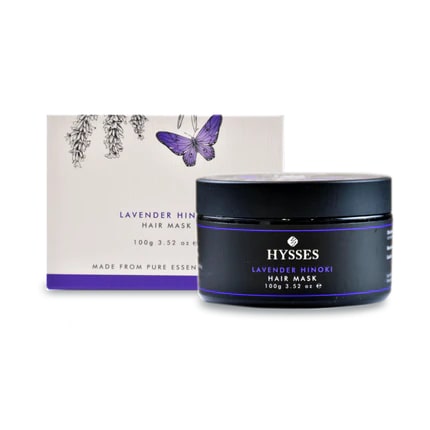
Each blend delivers a sensory experience uniquely aligned with HYSSES’ essential oil heritage. For example, the popular Lavender Hinoki Hair Mask deeply nourishes and moisturises damaged hair while promoting scalp calmness and balance.
If you’d like to experiment further, the HYSSES blog also offers DIY options and guidance on blending essential oils for hair care - as seen in Recipe: D.I.Y Essential Oil Blend for Hair.
Real Results With Consistent Use
Users who incorporate a weekly mask into their routine often report:
-
Fresher, less oily roots
-
Smoother, nourished ends
-
Fewer split ends
-
Less frizz and breakage
-
Improved overall shine and softness
Consistent hydration and scalp balancing make hair more manageable over time. This aligns with findings from aromatherapy and hair-care experts, which emphasise the cumulative benefits of botanical treatments on scalp and hair health.
Balancing an oily scalp and damaged ends requires targeted care, not a one-size-fits-all product. A well-formulated, essential oil–infused hair mask offers the perfect harmony by clarifying the scalp while strengthening and hydrating the lengths.
Frequently Asked Questions (FAQs)
Q: How often should I use a hair mask for oily scalp and dry ends?
1–2 times weekly is ideal. Overuse may weigh the scalp down.
Q: Can I apply a hair mask directly onto an oily scalp?
Yes, but use only a small amount and choose a mask formulated with scalp-balancing oils like Lavender, Hinoki or Chamomile.
Q: Are essential oils safe for regular scalp use?
When formulated at correct dilutions (as done by HYSSES), essential oils are safe and beneficial. Always patch-test first. (Tisserand & Young, 2014).
Q: Should I use conditioner after a mask?
It’s better to skip conditioner on mask days to avoid overloading the scalp. For extra moisture, a lightweight serum like Palmarosa Jasmine Hair Serum works well.
Disclaimer
This guide is intended for educational and informational purposes only and should not be used as a substitute for professional medical advice. Please consult a qualified healthcare provider if you have scalp conditions, allergies, or concerns.
References
-
Gan, C. (2025). Aromatherapy formulation practices at HYSSES. HYSSES Publications.
-
Tisserand, R., & Young, R. (2014). Essential Oil Safety (2nd ed.). Elsevier.

Share:
How a Natural Hair Mask Can Restore Dry and Damaged Hair
How to Apply Hair Tonic to Your Scalp for Maximum Effectiveness