

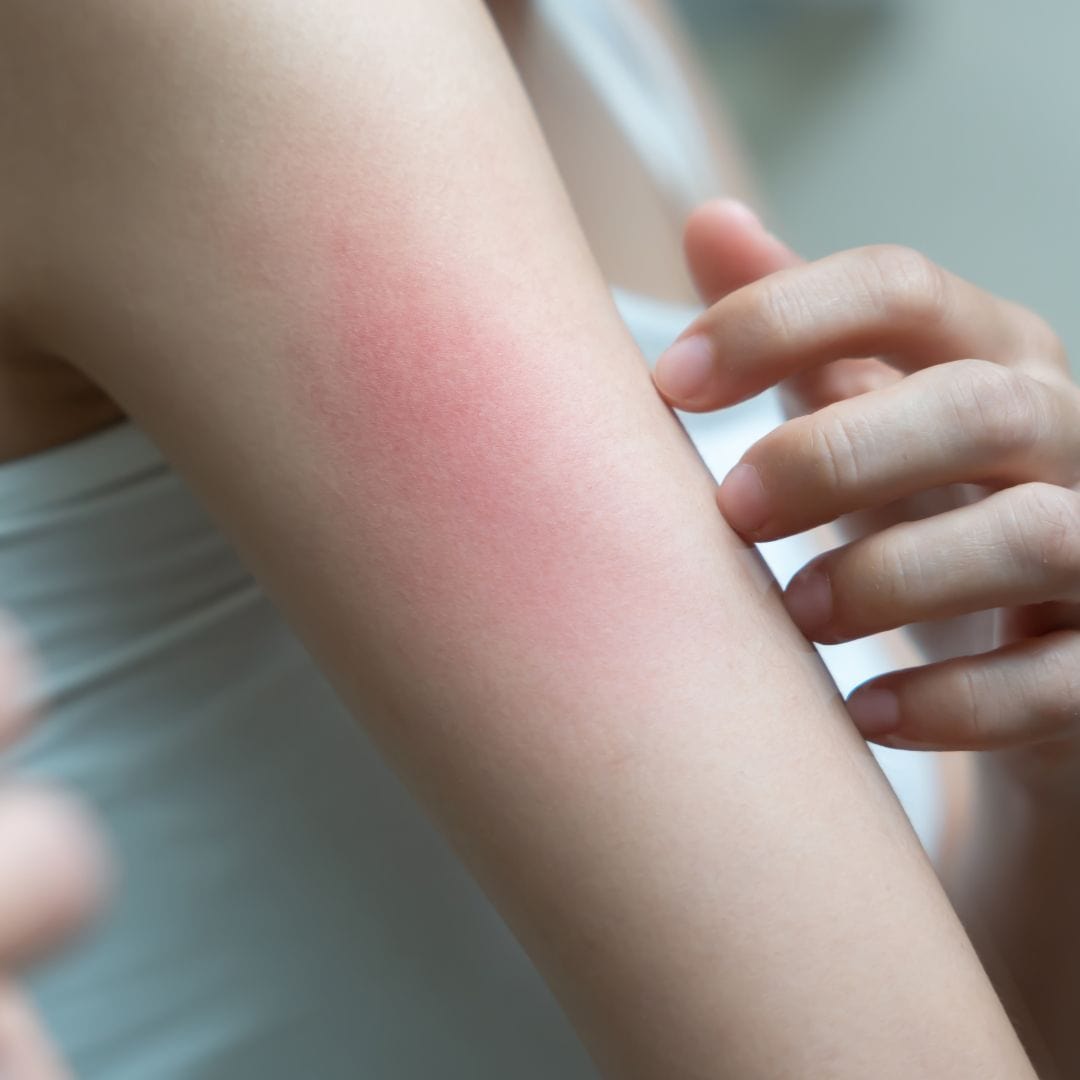
Healthy skin is not only about hydration or anti-ageing products. Beneath the surface exists a complex living ecosystem made up of billions of microorganisms working continuously to protect and strengthen your skin. This invisible ecosystem is known as the skin microbiome, and it plays a central role in maintaining healthy, resilient skin.
In recent years, microbiome-focused skincare has become increasingly important within Singapore’s wellness and beauty industry. Many individuals experience recurring breakouts, dryness, sensitivity, or irritation despite using extensive skincare routines. In many cases, the issue is not a lack of skincare but a disrupted skin ecosystem.
Research according to Harris-Tryon, T. A., & Grice, E. A. (2022), explains that the skin microbiota is deeply connected to skin barrier integrity, immune defence, and inflammation regulation.
At HYSSES, wellness is approached holistically through botanical science, aromatherapy expertise, and mindful self-care rituals designed to support long-term skin balance naturally.
“Healthy skin begins with balance rather than overcorrection. When the skin ecosystem is supported gently and consistently, resilience improves naturally.”
— Cheryl Gan, Founder & Managing Director of HYSSES
Understanding the Skin Microbiome
The skin microbiome refers to the collection of beneficial bacteria, fungi, and microorganisms naturally living on the skin’s surface.
Although bacteria are often misunderstood negatively, many microorganisms are essential for maintaining healthy skin. When balanced, they help:
-
Strengthen the skin barrier
-
Retain hydration more effectively
-
Reduce visible sensitivity
-
Protect against environmental stressors
-
Support smoother, calmer skin
Think of the microbiome as your skin’s natural protective shield.
According to findings by Byrd, A. L., et al.(2018), microbial diversity on the skin contributes significantly to immune regulation and skin recovery.
Why Modern Lifestyles Disrupt the Skin Barrier
Modern skincare habits may unintentionally damage the skin ecosystem over time.
Over-Cleansing and Product Overload
Excessive cleansing, harsh exfoliation, and overuse of strong skincare actives can strip away beneficial oils and microbes that the skin needs to remain balanced.
This often results in:
-
Tightness after cleansing
-
Increased sensitivity
-
Redness and irritation
-
Dryness despite moisturising
A systematic review according to Pîrvulescu, L.-E., et al. (2025), found that excessive cosmetic and environmental stressors may negatively affect microbiome stability and skin barrier integrity.
Why Singapore’s Climate Makes Skin Imbalance Worse
Singapore’s tropical climate presents additional challenges for maintaining healthy skin balance.
Frequent movement between humid outdoor environments and strong indoor air-conditioning can weaken the skin barrier and disrupt moisture retention.
Additional contributors include:
-
Urban pollution
-
Stress and elevated cortisol levels
-
Lack of sleep
-
Constant skincare switching
Signs Your Skin Microbiome May Be Imbalanced
Microbiome imbalance does not always appear dramatically at first.
Common signs include:
-
Persistent dryness despite moisturising
-
Skin tightness after washing
-
Increased product sensitivity
-
Rough or uneven texture
-
Recurring breakouts
-
Redness and irritation
-
Dull, fatigued-looking skin
Many people respond by introducing even more skincare products, which can unintentionally worsen the imbalance cycle.
How to Restore Your Skin Microbiome Naturally
Restoring microbiome balance is less about using stronger products and more about supporting the skin’s natural repair mechanisms gently and consistently.
1. Simplify Your Routine
Avoid over-exfoliation and excessive product layering. Consistency and gentleness are essential for restoring barrier health.
2. Support Skin with Botanical Ingredients
Professionally formulated essential oils may help support calming skincare rituals and emotional wellness.
At HYSSES Essential Oils Collection, commonly used microbiome-supportive botanicals include:
-
Lavender Essential Oil — soft floral-herbaceous aroma traditionally associated with calming and soothing rituals
-
Tea Tree Essential Oil — valued for purifying skincare support
-
Frankincense Essential Oil — known for grounding and restorative wellness rituals
-
Geranium Essential Oil — often appreciated for balancing skincare routines
A review published by Koulivand, P. H.,et al. (2013), highlighted lavender essential oil’s potential calming and skin-supportive properties.
Why Lavender Is Commonly Used in Skin Wellness Rituals
Lavender Essential Oil remains one of the most researched aromatherapy ingredients for relaxation and skin wellness support.
HYSSES Lavender Essential Oil is steam-distilled from Lavandula angustifolia flowers sourced from Provence, France, offering a calming floral aroma ideal for evening wellness rituals.
Related HYSSES reading:
HYBiome: Where Traditional Wellness Meets Modern Skin Science
The growing understanding of microbiome health inspired the development of the HYBiome Collection.
HYBiome combines:
-
Rice Ferment Biotics
-
Traditional Chinese Medicine-inspired botanicals
-
Barrier-supportive skincare ingredients
-
Guasha-inspired wellness rituals
The collection is designed to support skin resilience, hydration, and recovery through a gentler, more holistic skincare philosophy.
According to HYSSES:
“HYBiome was created to support long-term skin resilience through barrier-conscious rituals instead of aggressive correction.”
Creating a Skin Wellness Ritual at Home
Supporting your skin microbiome also involves supporting emotional wellness and reducing everyday stress.
Simple wellness rituals may include:
-
Using calming essential oils in diffusers
-
Gentle facial massage routines
-
Warm botanical baths
-
Prioritising sleep quality
-
Reducing unnecessary skincare changes
Explore supportive wellness collections:
The skin microbiome is not simply another skincare trend, it is one of the foundations of healthy, resilient skin.
In fast-paced urban environments like Singapore, stress, pollution, over-cleansing, and climate fluctuations can gradually weaken the skin barrier and disrupt microbial balance.
Rather than overwhelming the skin with increasingly aggressive treatments, microbiome-focused skincare encourages a gentler approach: supporting the skin’s natural ecosystem so it can function optimally again.
Through botanical expertise, aromatherapy traditions, and science-informed wellness rituals, HYSSES continues to support holistic skin and emotional wellness naturally.
Explore microbiome-supportive rituals here HYBiome Collection
Frequently Asked Questions (FAQs)
1. What is the skin microbiome?
The skin microbiome refers to beneficial microorganisms living on the skin that help maintain barrier protection, hydration, and immune balance.
2. What causes microbiome imbalance?
Over-cleansing, harsh skincare products, pollution, stress, and environmental changes may all contribute to microbiome disruption.
3. Can essential oils support skin wellness?
When professionally formulated and properly diluted, essential oils such as Lavender, Frankincense, and Tea Tree may support calming skincare and emotional wellness rituals.
4. Is microbiome skincare suitable for sensitive skin?
Yes. Gentle microbiome-focused skincare is often preferred for sensitive or reactive skin because it prioritises barrier support and long-term balance.
5. How long does it take to repair the skin barrier?
Skin recovery timelines vary depending on skin condition and consistency. Many individuals notice gradual improvement over several weeks with supportive skincare habits.
Disclaimer
This guide is intended for educational and informational purposes only and does not constitute medical advice, diagnosis, or treatment. Individual skin conditions vary. Please consult a qualified healthcare professional or dermatologist regarding persistent skin concerns or before introducing new skincare ingredients into your routine.
References
-
Koulivand, P. H., Khaleghi Ghadiri, M., & Gorji, A. (2013). Lavender and the nervous system. Evidence-Based Complementary and Alternative Medicine, 2013, 681304.

Share:
Beauty Insider Best Skin Repair Cream Singapore 2026: Why HYBiome Was Chosen
Elevate Your Home Experience: How Aromatherapy Hand Wash Enhances Everyday Living