

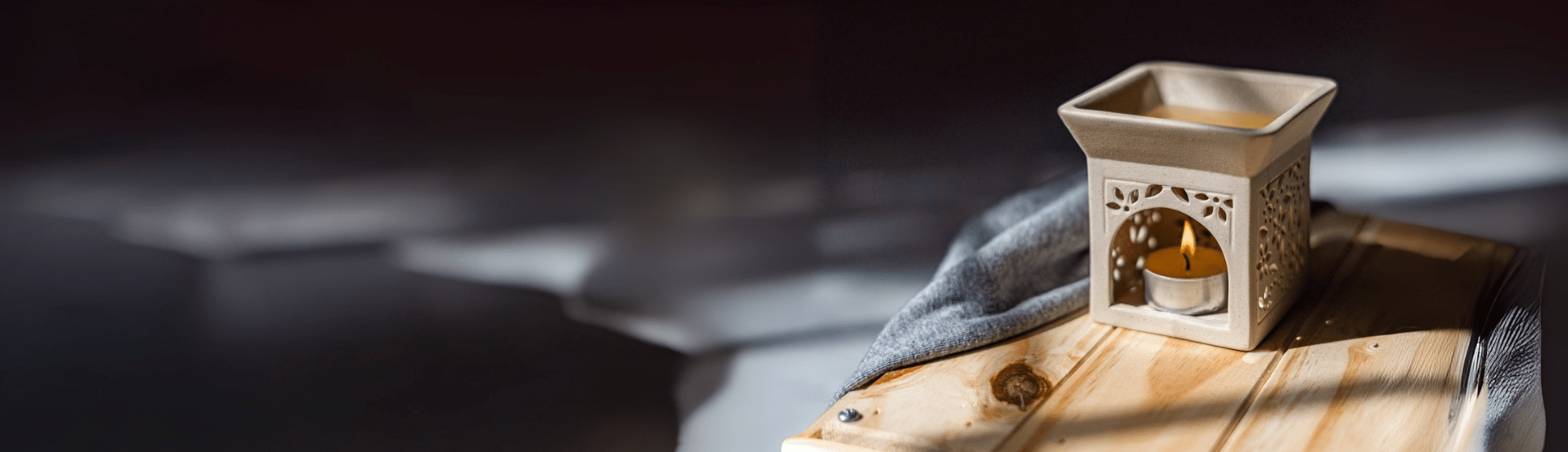
The fragrance of a room can shape its entire atmosphere. A candle burner brings a soft, traditional glow that evokes calm and nostalgia, while a wax warmer delivers steady fragrance without an open flame. Both elevate your space, yet they work differently and offer distinct benefits.
To help you choose between the two, this expert-reviewed guide explains how each device functions, their pros and cons, and what to consider when selecting the right one for your lifestyle.
Understanding Candle Burners
Candle burners, also known as essential oil burners, use a tealight candle to heat a bowl or dish placed above it. In this dish, you can add a few drops of Hysses Essential Oils such as Lavender, Ylang Ylang, or Frankincense mixed with water. As the candle burns, it gently warms the liquid, releasing aromatic vapours that fill the room.
According to Cheryl Gan, “Candle burners appeal to those who enjoy the natural charm of flame-lit fragrance. The interplay between light, scent, and warmth creates a multisensory experience that connects deeply with traditional aromatherapy practice.”
The Ambience and Care of Candle Burners
The soft flicker of a tealight creates a relaxing atmosphere, ideal for evening unwinding or quiet meditation. However, since they use an open flame, candle burners require care:
-
Place them on a stable, heat-resistant surface
-
Keep away from flammable materials and out of reach of children and pets
-
Never leave a lit candle unattended
Hysses’ ceramic and glass candle burners are designed with both safety and elegance in mind, complementing a wide range of interior styles.
Exploring Wax Warmers
Wax warmers are a flameless alternative to traditional burners, offering both safety and consistent scent release. Instead of an open flame, wax warmers rely on gentle electric heat to melt wax or release essential oil blends.
According to a 2020 study published in the Journal of Environmental Health Research, flameless diffusers and warmers help maintain cleaner indoor air by reducing soot and particulate emissions, making them a safer option for extended home fragrance.
How Wax Warmers Work
-
Placement: Add a wax melt or several drops of a preferred essential oil such as Lemongrass, Lavender, or Sandalwood into the dish.
-
Power: Plug in or switch on the warmer.
-
Heating: A low-wattage bulb or heating plate melts the wax slowly and evenly.
-
Fragrance Release: The aroma disperses steadily throughout the space without smoke or soot.
Types of Wax Warmers
-
Electric Tabletop Warmers: Feature built-in heating elements and convenient power controls, suitable for bedrooms and living spaces.
-
Plug-In Warmers: Compact and ideal for smaller areas such as hallways or bathrooms.
-
Tealight Warmers: Combine the gentle flicker of a flame with the fragrance efficiency of wax, balancing tradition with modern design.
Hysses’ electric wax warmers are equipped with safety features such as automatic shut-off and temperature regulation, offering peace of mind with each use.
Key Differences Between Wax Warmers and Candle Burners
|
Features |
Candle Burners |
Wax Warmers |
|
Heat Source |
Tealight flame |
Electric plate or bulb |
|
Safety |
Requires supervision |
Flameless and safe |
|
Fragrance Control |
Limited adjustment |
Adjustable heat and timer |
|
Cost |
Affordable |
Higher initial cost |
|
Aesthetic |
Classic, warm glow |
Modern, sleek design |
|
Maintenance |
Replace tealight |
Clean bowl, replace bulbs |
|
Portability |
No electricity required |
Needs power source |
Weighing the Pros and Cons
Wax Warmers
Pros:
-
Flameless operation makes them safer for families, seniors, and pet owners
-
Provide consistent, even fragrance diffusion
-
Include features such as timers and automatic shut-off
-
Modern, compact designs fit seamlessly into home decor
Cons:
-
Slightly higher upfront cost
-
Must be placed near a power source
Candle Burners
Pros:
-
Affordable and simple to use
-
Portable and do not require electricity
-
Create an intimate, traditional ambience
-
Work well with most HYSSES Essential Oils
Cons:
-
Open flame presents safety risks if unattended
-
Requires replacement of tealights
-
Can leave traces of soot if not monitored carefully
Which Should You Choose?
The best choice depends on your preferences and living environment.
-
For families or pet owners: Choose an electric wax warmer for flameless safety.
-
For relaxation and ambience: Select a candle burner for its warm, soothing light.
-
For fragrance control and convenience: Electric wax warmers offer adjustable intensity.
-
For budget-friendly flexibility: Candle burners paired with bulk tealights are cost-effective.
-
For modern interiors: A sleek, ceramic wax warmer complements contemporary spaces.
Both create inviting, fragrant environments that can enhance well-being and elevate daily rituals.
Final Thoughts
Candle burners and wax warmers both transform how fragrance is experienced at home. While candle burners evoke a sense of tradition and warmth, wax warmers deliver safety and convenience without losing the sensory charm.
Explore the HYSSES Burners Collection to find the perfect piece that suits your space and lifestyle.
Frequently Asked Questions (FAQs)
1. Can I use essential oils in a wax warmer?
Yes. Add a few drops of HYSSES Essential Oil into the dish. Oils such as Lavender, Lemongrass, or Eucalyptus work beautifully in wax warmers.
2. How long does fragrance last in a wax warmer?
Typically, each melt provides 8 to 12 hours of scent, depending on temperature settings and room size.
3. Is a wax warmer more energy-efficient?
Yes. Most units use 15 to 25 watts, comparable to a small household bulb, making them efficient for daily use.
4. Are wax warmers safer than candle burners?
Wax warmers are flameless, reducing fire and soot risks. They are ideal for households prioritising safety.
5. How should I clean my burner or warmer?
Allow the dish to cool, then remove any residual wax. Use HYSSES Nebuliser Cleaning Solution or warm soapy water for maintenance.
Disclaimer
This guide is intended for educational and informational purposes only. It does not replace professional aromatherapy or medical advice. Always follow product usage instructions provided by HYSSES.
References
-
Journal of Environmental Health Research (2020). “Indoor Air Quality and Fragrance Diffusion Methods.”
-
Tisserand, R., & Young, R. (2014). Essential Oil Safety: A Guide for Health Care Professionals.
-
Harvard Health Publishing. “Safer Ways to Enhance Indoor Air Quality.”
-
Expert commentary from Cheryl Gan, Founder and Managing Director, HYSSES.
Related Articles
-
How to Choose the Right Essential Oil Burner for Your Home
-
The Art of Layering Scents: Creating Signature Aromas with Hysses Oils

Share:
Oil Burners vs Diffusers: How They Work, How to Use Them, and Which One is Right for You
The Benefits of Electric Wax Warmers: Safe, Stylish, Flame-Free Fragrance