

A yoga mat is more than an accessory. It is a space of reflection, movement, and self-connection. Over time, however, perspiration, body oils, and airborne dust collect on its surface. This unseen buildup can create an environment for bacteria and unpleasant odours to thrive. Cleaning the mat regularly is therefore a fundamental part of any mindful practice.
Chemical cleaners may remove visible grime, yet they often contain harsh ingredients that irritate skin or degrade mat material. A natural alternative is a yoga mat spray formulated with essential oils. These plant extracts cleanse effectively, infuse a subtle fragrance, and help create an atmosphere of calm or focus that complements each posture.
Cheryl Gan, Founder and Managing Director of HYSSES, explains:
“Aromatherapy, when paired with yoga, enhances both hygiene and mindfulness. The natural antibacterial properties of essential oils allow us to care for our environment without compromising on well-being.”
Why Yoga Mat Hygiene Matters
Each session transfers sweat and microbes from skin and floor to the mat. Without regular cleaning, these can multiply, producing odour and surface film that reduces grip. Research published in the Journal of Environmental Health Research (2020) found that exercise mats in frequent communal use carried bacterial levels comparable to gym equipment handles.
A clean mat not only protects skin but also improves concentration by removing distractions from smell or stickiness. Regular cleansing preserves material elasticity and ensures a stable foundation for balance-focused poses.
The Science Behind Essential Oils and Hygiene
Essential oils have long been studied for their antimicrobial and deodorising effects. According to a review in the Journal of Applied Microbiology (2019), oils rich in compounds such as terpinen-4-ol (found in Tea Tree) and 1,8-cineole (found in Eucalyptus) inhibit common bacteria and fungi without the synthetic residues of conventional cleaners.
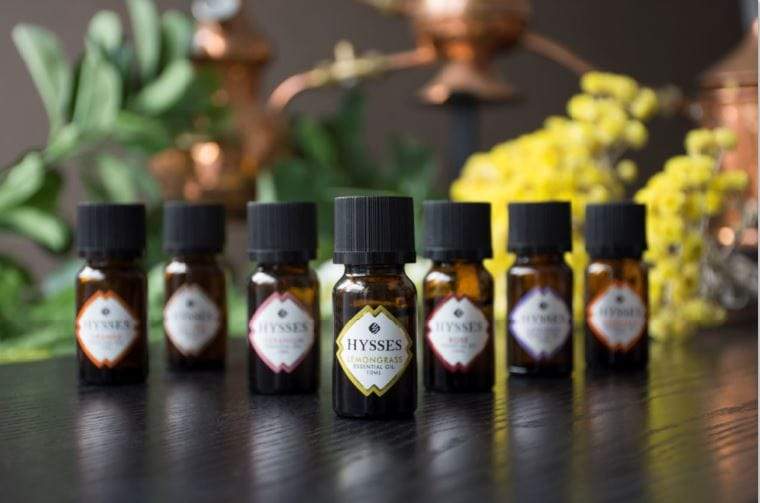
HYSSES essential oils are 100 percent pure, ethically sourced, and tested for quality. When diluted correctly, they provide safe and effective surface cleansing suitable for daily yoga mat care.
Selecting the Right Oils
Every essential oil carries a distinctive chemistry and sensory profile. Choosing the right blend depends on whether the goal is to disinfect, refresh, or restore calm.
Tea Tree Essential Oil – The Natural Antiseptic
Tea Tree essential oil offers strong antibacterial and antifungal activity. It eliminates surface germs while leaving a crisp, medicinal scent that dissipates quickly. Its inclusion forms the base of most deep-cleaning sprays.
Eucalyptus Essential Oil – Refresh and Deodorise
Eucalyptus essential oil contributes cooling freshness and natural deodorising power. It is particularly helpful after intense sessions or outdoor practice where sweat and humidity build up quickly.
Peppermint Essential Oil – Invigorate and Energise
Peppermint essential oil awakens the senses through menthol’s stimulating aroma. It also provides mild antibacterial protection, ideal for mid-week quick cleans.
Lavender Essential Oil – Calm and Balance
Lavender essential oil introduces serenity at the end of a session. Its gentle antimicrobial properties make it suitable for sensitive skin while its floral scent aids relaxation and focus.
Lemon and Sweet Orange Essential Oils – Bright and Uplifting
Citrus oils cut through odours and surface residue with natural degreasing ability. Their light, cheerful aroma encourages positivity and renewal.
DIY Yoga Mat Spray Recipes
1. Foundational Antibacterial Spray
Ideal for: Daily or post-practice cleaning on all mat types
Why it works: Tea Tree disinfects, Lavender soothes, and Witch Hazel acts as a mild emulsifier.
Ingredients
-
¼ cup distilled water
-
¼ cup Witch Hazel (alcohol-free)
-
10 drops Tea Tree Essential Oil
-
5 drops Lavender Essential Oil
Instructions
Combine ingredients in a 120 ml dark glass spray bottle. Shake before use. Spray lightly, wipe with a clean microfiber cloth, and allow to air dry fully.
2. Sunshine Burst Citrus Spray
Ideal for: Deodorising and uplifting the mood
Why it works: Lemon and Orange cleanse while Peppermint adds cool freshness.
Ingredients
-
⅓ cup distilled water
-
¼ cup white vinegar
-
1 tablespoon rubbing alcohol (optional)
-
8 drops Lemon Essential Oil
-
5 drops Sweet Orange Essential Oil
-
3 drops Peppermint Essential Oil
Instructions
Mix water, vinegar, and alcohol in a 120 ml bottle. Add oils, shake well, and spray evenly. Wipe with a microfiber cloth. The initial vinegar scent fades, leaving a bright citrus-mint aroma.
3. Germ Buster Deep-Cleaning Spray
Ideal for: Monthly maintenance or post-illness disinfection
Why it works: Rubbing alcohol removes stubborn grime while Tea Tree and Eucalyptus deliver potent antimicrobial benefits.
Ingredients
-
¼ cup rubbing alcohol (70 percent isopropyl)
-
¼ cup distilled water
-
15 drops Tea Tree Essential Oil
-
10 drops Eucalyptus Essential Oil
Instructions
Combine liquids in a 120 ml spray bottle. Add essential oils, shake well, and spray generously. Let stand for 5–10 minutes before wiping clean. Ensure complete air-drying before rolling the mat.
Application and Care Routine
-
Measure accurately. Use a funnel for neat mixing.
-
Add essential oils last to maintain purity.
-
Label the bottle with date and formula.
-
Patch-test on a small mat area.
-
Spray evenly from about 15 cm distance.
-
Wipe gently using a soft cloth.
-
Allow to air dry completely before storage.
-
Frequency: Quick spritz after each session; deep clean weekly or monthly.
Material Sensitivity
Natural rubber, PVC, and TPE respond differently to liquids. Begin with milder solutions and test before full application. Avoid soaking the mat.
Avoiding Common Mistakes
-
Excess oil usage can make mats slippery. Follow recommended drop counts.
-
Wrong base liquid may affect texture; adjust ratios according to mat material.
-
Incomplete drying promotes mould growth. Always ensure full evaporation.
-
Skin sensitivity varies; dilute thoroughly and handle with care.
Maintaining Long-Term Freshness
-
Proper storage: Keep the mat loosely rolled in a cool, ventilated space away from direct sunlight.
-
Interim deodorising: Sprinkle baking soda lightly, leave for 15 minutes, and wipe off before the next session.
-
Mat replacement: Replace when grip or cushioning declines, usually after 12–24 months of regular use.
Complementary Products for a Complete Practice
Enhance your routine with Hysses’ curated aromatherapy essentials:
Caring for your yoga mat with essential oils is a small act of mindfulness that supports health, hygiene, and serenity. Using natural formulations ensures a clean surface free from harsh chemicals while surrounding you with therapeutic scents that complement each movement.
With pure essential oils from HYSSES, every practice becomes a multisensory experience, grounded in nature, guided by science, and crafted through expertise in aromatherapy formulation.
Frequently Asked Questions
1. How often should I clean my yoga mat?
Lightly spray and wipe after each session. Deep clean weekly if used frequently or in humid environments.
2. Can I use these sprays on rubber mats?
Yes. Use milder ratios at first and patch-test before full application to avoid material degradation.
3. Which essential oil is best for disinfecting?
Tea Tree Essential Oil remains the most effective natural disinfectant, supported by studies published in PubMed (2018).
4. Do essential oils lose potency over time?
When stored in dark glass bottles away from heat, most retain their aroma and therapeutic properties for 12–24 months.
5. Can I replace vinegar with Witch Hazel?
Yes, particularly for natural rubber mats where acidity might be too strong. Witch Hazel offers gentler cleansing.
Disclaimer
This guide is intended for educational and informational purposes only. It is not a substitute for professional medical advice, diagnosis, or treatment. Always consult a qualified aromatherapist or healthcare provider for specific health concerns.
References
Harvard Health Publishing. (2021). Essential oils: Natural does not mean risk-free.
Journal of Applied Microbiology. (2019). Antimicrobial activity of essential oil constituents.
Journal of Environmental Health Research. (2020). Microbial contamination on exercise mats.
PubMed. (2018). Evaluation of Tea Tree oil as a natural disinfectant.
Tisserand, R., & Young, R. (2014). Essential Oil Safety: A Guide for Health Care Professionals. Churchill Livingstone.
Related Articles
-
How to Elevate Yoga and Meditation Practice with Essential Oils
-
Understanding the Benefits of Lavender in Everyday Wellness
- A Step-by-Step Guide on How to Use a Nebuliser Correctly

Share:
How to Elevate Yoga and Meditation Practice with Essential Oils
5 Essential Oil Blends You Can Make at Home for a Better Yoga Experience