

Glass packaging has long been associated with beauty, skincare and aromatherapy products. From essential oil bottles to perfume and cosmetic containers, glass offers a combination of functionality, durability and timeless appeal.
But what makes glass suitable for beauty products? Does glass actually help preserve essential oils? And is glass packaging always the more sustainable choice?
This guide explores the benefits of glass packaging, how it can support product preservation, why dark glass is commonly used for essential oils, and how reuse and recycling can contribute to a more conscious approach to beauty.
What Is Glass Packaging?
Glass packaging refers to containers made primarily from glass and designed to store and protect products such as cosmetics, skincare, fragrances, essential oils and food.
One of the key characteristics of glass is that it is non-porous and impermeable. According to the Glass Packaging Institute, glass has a very low rate of chemical interaction, which helps maintain the strength, aroma and flavour of products stored inside it.
For beauty and aromatherapy products, this can be particularly useful because the packaging comes into direct contact with the formulation throughout its use.
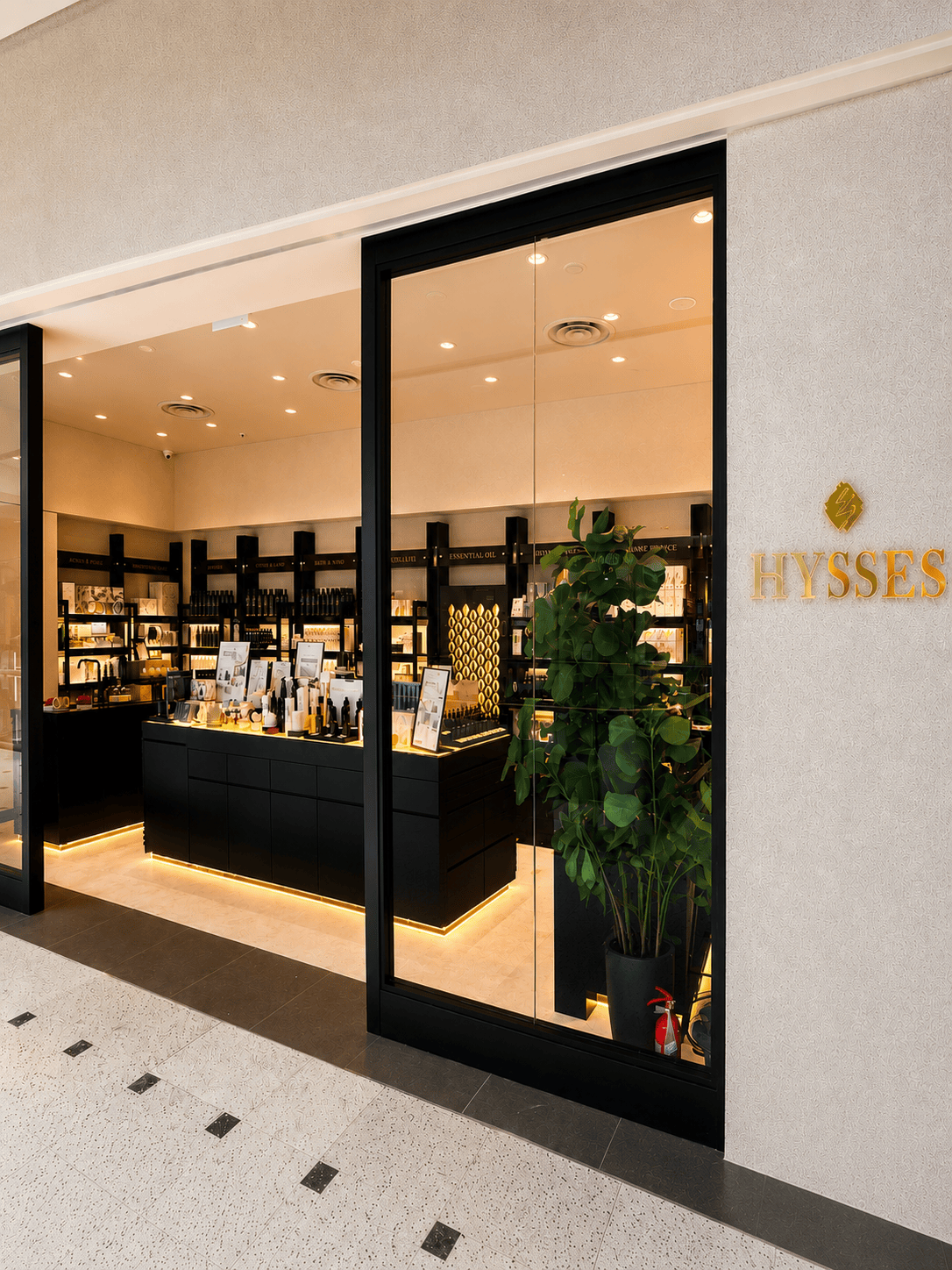
HYSSES uses glass bottles across its aromatherapy and fragrance offerings, with its signature glass packaging forming part of the product experience. The brand also emphasises product quality, purity and appropriate storage as part of its approach to essential oils.
What Are the Benefits of Glass Packaging?
Helps protect product integrity
Packaging plays an important role in protecting a formulation from its surroundings.
Glass is non-porous and impermeable, meaning it provides a stable barrier between the product and external contaminants. Its low chemical interaction can also help preserve the characteristics of products stored inside it.
This is one reason glass is particularly suitable for products where maintaining the original aroma and formulation is important.
For essential oils, appropriate storage is especially important because factors such as heat, oxygen and light can affect their quality over time. HYSSES recommends storing essential oils in dark glass bottles and keeping them away from direct sunlight and heat.
Provides protection from light
Not all glass provides the same level of protection.
Clear glass allows light to reach the contents, while amber, cobalt blue and other dark-coloured glass bottles reduce light exposure.
This matters for essential oils because ultraviolet light can contribute to changes in the chemical composition of oils over time. HYSSES explains that amber glass bottles are commonly used for essential oils because the darker glass helps protect the contents from UV exposure.
For consumers, this means the colour of an essential oil bottle is not necessarily just an aesthetic choice. It can serve a functional purpose as part of appropriate product storage.
Offers a durable packaging option
Although glass can break if handled improperly, glass containers are designed to provide a sturdy barrier around their contents.
HYSSES has previously highlighted the potential to clean and reuse empty essential oil bottles rather than immediately discarding them. With proper cleaning, a glass bottle can be repurposed for suitable uses, extending its life beyond its original purpose.
The important consideration is how the container is reused. Because essential oils are concentrated, bottles that previously held oils should be cleaned thoroughly before being repurposed.
Supports a considered product experience
There is also a sensory dimension to glass packaging.
The weight, transparency, shape and finish of a glass bottle can contribute to the way a product feels in the hand and looks within a beauty or wellness space.
For aromatherapy, where the experience often involves slowing down, breathing and creating a moment of personal care, these small details can become part of the ritual.
This connects with HYSSES' wider philosophy around wellness and conscious consumption.
As Cheryl Gan, Founder and Managing Director of HYSSES, explains:
“True wellness comes from formulations that support both personal well-being and environmental consciousness.”
The statement reflects an approach to wellness that considers not only the product itself, but also the choices surrounding its creation and use.
Why Is Dark Glass Used for Essential Oils?
Essential oils contain volatile aromatic compounds that can be affected by environmental conditions.
Light, heat and oxygen are among the factors that can contribute to changes in an essential oil's aroma and composition over time. HYSSES recommends storing essential oils in dark-coloured glass bottles, in a cool, dry environment and away from direct sunlight.
Amber Glass vs Clear Glass
Amber glass is commonly used for essential oils because its darker colour limits light exposure.
Clear glass can still be suitable for certain products, but it provides less protection from light. For oils that are particularly sensitive to light, darker glass can therefore be a more appropriate packaging choice.
This is also why consumers should pay attention to storage after purchasing an essential oil.
Even a well-designed bottle cannot compensate for poor storage. Keeping essential oils tightly closed and away from excessive heat and sunlight can help maintain their quality.
For more guidance, explore HYSSES' Buying and Storing Essential Oils.
Is Glass Packaging Sustainable?
Glass is highly recyclable, but calling any packaging material simply “sustainable” can overlook the bigger picture.
Glass can be recycled repeatedly without losing its fundamental quality or purity. The Glass Packaging Institute notes that recycled glass, known as cullet, can be used in the production of new glass containers and can reduce the need for virgin raw materials.
However, sustainability involves more than recyclability.
The environmental impact of packaging can also depend on how it is manufactured, transported, used, reused and eventually disposed of.
Glass is heavier than many plastic packaging formats, which means transportation can require more resources. At the same time, glass offers advantages such as durability, recyclability and the potential for reuse.
The more useful question, therefore, is not simply:
“Is glass sustainable?”
Instead, consider:
“How can this packaging be used for as long as possible and recovered responsibly at the end of its life?”
Reuse, Refill or Recycle: Which Comes First?
When considering packaging waste, reuse and refill can help extend the useful life of a container before recycling becomes necessary.
HYSSES has incorporated refill initiatives into its sustainability efforts. The brand's first refill centre at its Heritage outlet in Haji Lane allows customers to reuse packaging through dispensary machines, supporting a circular approach to consumption. HYSSES also highlights the use of recycled PET bottles and ongoing efforts to reduce its carbon footprint.
This reflects a simple principle:
The longer a suitable container remains useful, the less quickly it needs to enter the waste stream.
HYSSES has also shared practical guidance on cleaning and reusing empty essential oil bottles. Suggested steps include emptying the bottle, soaking it in warm soapy water, gently cleaning the inside, rinsing thoroughly and allowing it to dry completely.
For more ideas, explore HYSSES' guide to reusing essential oil bottles.
Can Glass Beauty Packaging Be Recycled?
Yes, many glass beauty containers can be recycled, but the exact requirements depend on the local recycling system.
In Singapore, the National Environment Agency lists perfume, cosmetics and medicine bottles among glass items accepted in the blue recycling bins, provided they are rinsed and free from contamination.
NEA's recycling process involves collecting recyclables and sending them to Materials Recovery Facilities, where glass is sorted, cleaned and crushed into cullet before being used to make new products.
Before recycling a glass beauty container:
-
Empty the container completely.
-
Rinse it if necessary to remove residue.
-
Separate or remove materials where local guidance requires it.
-
Check that the container belongs in the glass recycling stream.
-
Place it in the appropriate recycling bin.
Not every glass-like material belongs in the same recycling stream. NEA specifically excludes items such as Pyrex, tempered glass, crystal glass and mirrors from the glass category shown for Singapore's blue recycling bins.
When in doubt, check the current recycling instructions in your area rather than assuming that every glass item can be recycled in the same way.
How Can You Make Your Beauty Routine More Conscious?
Sustainable beauty does not have to mean completely changing your routine.
Instead, small habits can make everyday consumption more intentional.
Use products completely
Using a product until it is finished helps avoid unnecessary waste. This is especially relevant for products packaged in durable containers that may still have another use once emptied.
Consider refill options
Where refill systems are available, they can provide an alternative to purchasing an entirely new container each time.
HYSSES' refill centre and refill products demonstrate how refill models can become part of an everyday wellness routine. Explore the HYSSES Refills Collection to discover available refill options.
Reuse where appropriate
An empty glass bottle may have a second life as a small storage container or craft item, provided it is thoroughly cleaned and the new use is appropriate.
Avoid using containers that previously held essential oils for food or drinks unless the manufacturer specifically confirms that this is safe.
Recycle responsibly
When a container can no longer be reused or refilled, recycling is the next consideration.
Correct recycling matters because contamination can interfere with the recycling process. NEA recommends emptying recyclables and rinsing them when necessary before placing them in the recycling bin.
Glass Packaging and the HYSSES Approach to Sustainability
For HYSSES, sustainability extends beyond the choice of a particular packaging material.
The brand's sustainability initiatives include ethical sourcing, Good Manufacturing Practice, cruelty-free practices, recycled PET packaging, carbon-reduction goals and refill initiatives.
This broader perspective is important.
A packaging material is only one part of a product's overall environmental story. Ingredients, sourcing, manufacturing, transportation, packaging, consumer use and end-of-life management all contribute to the bigger picture.
This is why conscious beauty is less about finding a perfect product and more about making thoughtful choices at different stages of the product journey.
Build a More Conscious Beauty Ritual With HYSSES
Glass packaging can offer practical benefits for beauty and aromatherapy products, from helping protect formulations to supporting appropriate storage of essential oils.
But its role does not end when the product is finished.
A glass bottle can potentially be reused, refilled or recycled depending on its condition and local systems.
At HYSSES, the relationship between nature, wellness and responsible consumption continues to shape the brand's approach to beauty and aromatherapy.
Explore the HYSSES Essential Oils Collection and discover botanical formulations designed to become part of your everyday wellness rituals.
Ready to Make More Conscious Choices?
Start by looking beyond what is inside the bottle.
Consider how the product is packaged, how you use it, whether the container can be reused or refilled, and how it should be disposed of when its useful life is over.
Small decisions, repeated consistently, can become part of a more thoughtful approach to beauty.
FAQs About Glass Packaging
Why is glass commonly used for essential oils?
Glass is non-porous and has a low rate of chemical interaction. Dark-coloured glass can also help limit light exposure, making it particularly useful for storing essential oils and other light-sensitive formulations.
Is glass packaging more sustainable than plastic?
Not necessarily in every situation. Glass is highly recyclable and can be recycled repeatedly without losing its quality, but it is also heavier than many plastic alternatives. A packaging choice should therefore be considered across its full lifecycle, including production, transportation, reuse and recycling.
Can I reuse an empty essential oil bottle?
Yes. HYSSES recommends cleaning empty essential oil bottles thoroughly before reusing them for appropriate purposes. Emptying, soaking, cleaning, rinsing and completely drying the bottle can help prepare it for reuse.
Can cosmetic and perfume glass bottles be recycled in Singapore?
Yes. NEA lists perfume, cosmetics and medicine bottles among glass items accepted in Singapore's blue recycling bins, provided they are properly prepared and free from contamination.
Does dark glass protect essential oils from light?
Yes. Dark-coloured glass, particularly amber glass, helps reduce light exposure. HYSSES recommends dark glass bottles for storing essential oils and advises keeping them away from direct sunlight and heat.
Disclaimer
This article is intended for educational and informational purposes only. It does not constitute professional, medical or environmental advice. Recycling requirements and collection systems may change, so always check the latest guidance from your local waste-management authority. When reusing product containers, ensure they are thoroughly cleaned and suitable for their intended new use.
References
-
Glass Packaging Institute. Facts About Glass. https://www.gpi.org/facts-about-glass
-
Glass Packaging Institute. Glass Recycling Facts & Benefits. https://www.gpi.org/facts-about-glass-recycling
-
National Environment Agency Singapore. Recycling Guide. NEA Recycling Guide
-
National Environment Agency Singapore. Types of Recyclables and Recycling Processes. NEA Recycling Processes
-
National Environment Agency Singapore. At Home – Waste Minimisation and Recycling. NEA At Home Recycling Guide
-
HYSSES. Sustainability @ HYSSES. HYSSES Sustainability
-
HYSSES Discovery. Reusing Essential Oil Bottles: Your Guide to Sustainability and Eco-Friendly Practices. HYSSES — Reusing Essential Oil Bottles
-
HYSSES Discovery. Buying and Storing Essential Oils. HYSSES — Buying and Storing Essential Oils

Share:
DIY Christmas Diffuser Blends With Essential Oils: 7 Festive Scents For a Warm And Welcoming Home
DIY Christmas Diffuser Blends With Essential Oils: 7 Festive Scents For a Warm And Welcoming Home