

A beautifully scented room can instantly change how a home feels. Citrus notes may feel uplifting, lavender may encourage calm, while woody aromas often create warmth and comfort.
That is why more people are embracing DIY Home and Living - a lifestyle centred around natural ingredients, mindful routines, and personalised spaces.
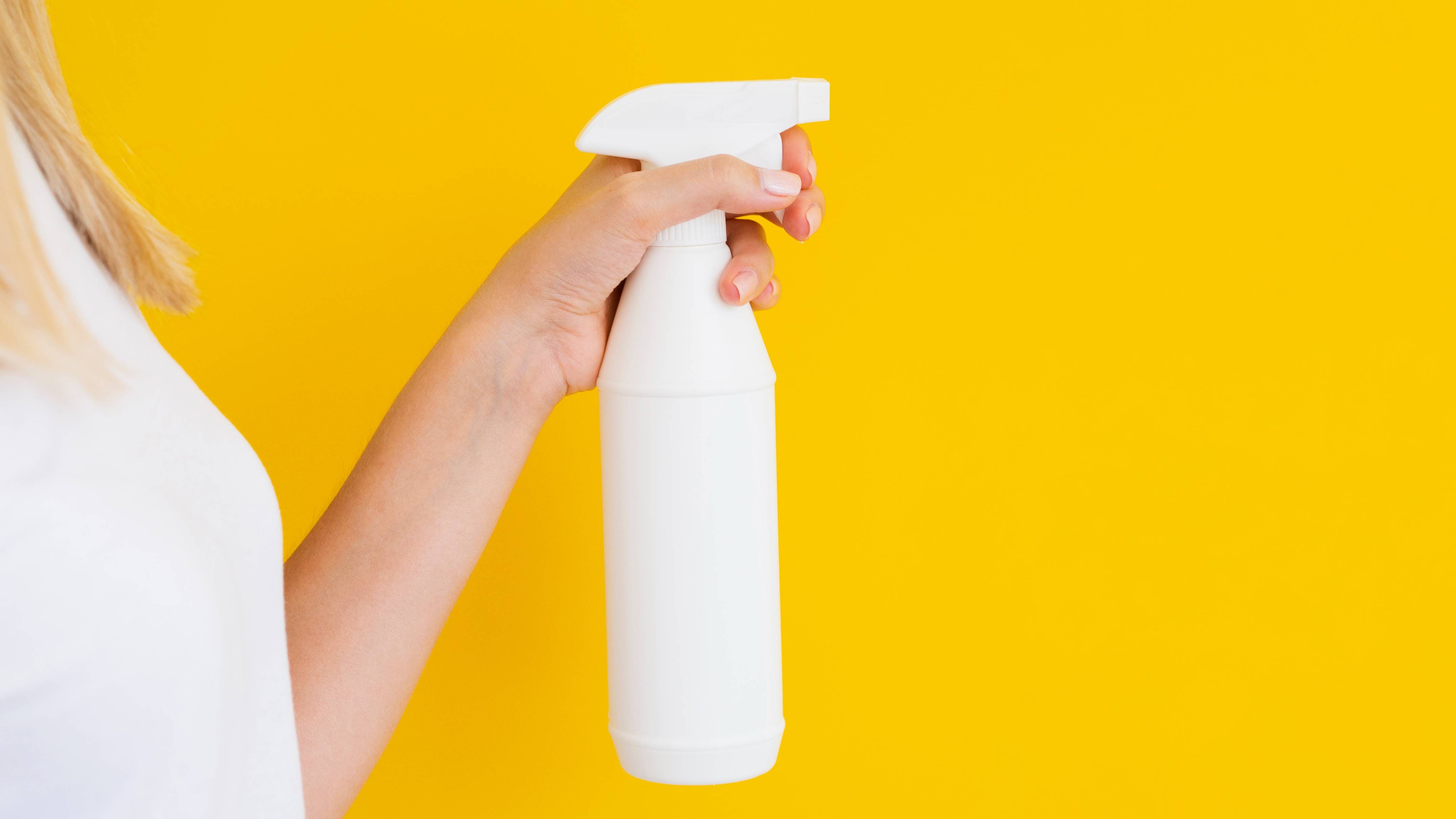
One of the easiest ways to begin is by making your own DIY room spray. It is simple, elegant, and gives you complete control over the scent profile.
Using premium botanical oils from HYSSES allows you to create a room spray that feels luxurious and wellness-inspired.
“Scent should support the atmosphere naturally and beautifully.”
— Cheryl Gan, Founder & Managing Director, HYSSES
Why DIY Room Sprays Are So Popular
Many commercial air fresheners rely heavily on synthetic fragrance. DIY room sprays offer a more conscious alternative because they allow you to:
-
Choose your own ingredients
-
Reuse bottles and reduce waste
-
Personalise fragrance for each room
-
Incorporate aromatherapy benefits
-
Avoid overpowering scents
Benefits of Essential Oils in Room Sprays
Lavender for Relaxation
Lavender is one of the most researched essential oils for relaxation and sleep support.
Research according to Davari, H.,et al. (2021), found lavender aromatherapy may help improve sleep quality in some individuals.
Peppermint for Focus
Peppermint is often associated with alertness and clarity.
Research according to Netzler, L., & Lovell, B. (2025), has shown peppermint aroma may positively affect memory and attention.
Eucalyptus for Freshness
Eucalyptus creates a crisp, spa-like atmosphere and is often used in refreshing home blends.
Ingredients You Need
For one 100ml spray bottle:
-
¾ cup distilled water
-
2 tablespoons witch hazel or vodka
-
20–30 drops essential oils
-
Glass spray bottle (amber preferred)
Best Oils from HYSSES
Essential Oils Collection
Popular options:
Step-by-Step DIY Room Spray Recipe
Step 1: Add Mixing Base
Pour witch hazel or alcohol into bottle first.
Step 2: Add Essential Oils
Add 20–30 drops total.
Step 3: Add Water
Fill remaining bottle space with distilled water.
Step 4: Shake Well
Shake for 15 seconds.
Step 5: Label and Store
Store in a cool dry place away from sunlight.
Best DIY Room Spray Blends
1. Calm Bedroom Spray
-
12 drops Lavender
-
8 drops Geranium
-
5 drops Frankincense
Best for winding down at night.
2. Morning Energy Spray
-
10 drops Lemon
-
10 drops Peppermint
-
5 drops Rosemary
Ideal for offices or mornings.
3. Clean Bathroom Spray
-
10 drops Tea Tree
-
10 drops Eucalyptus
-
5 drops Lemongrass
Fresh and crisp.
4. Luxury Living Room Spray
-
10 drops Bergamot
-
8 drops Ylang Ylang
-
5 drops Sandalwood
Elegant and warm.
Upgrade Your Home Fragrance Routine
Pair your DIY spray with ready-made HYSSES products like Room Scent Collection, Diffusers Collection, Nebuliser Cleaning Solution.
Safety Tips
-
Shake before each use
-
Keep away from eyes
-
Keep away from children and pets
-
Patch test on fabric first
-
Do not ingest essential oils
For safe dilution guidance, read Tisserand Institute Safety Guide
Making your own DIY room spray is one of the easiest ways to create a more intentional and naturally fragrant home.
With HYSSES essential oils, you can customise every scent to suit your mood, room, and lifestyle.
Whether you prefer calming lavender, refreshing eucalyptus, or uplifting citrus, your room spray can become part of your daily wellbeing ritual.
Frequently Asked Questions (FAQs)
1. How long does DIY room spray last?
Usually 2–3 months when stored properly.
2. Why does it separate?
Oil and water naturally separate. Shake before use.
3. Which oil is best for sleep?
Lavender is most commonly associated with relaxation.
4. Can I spray on bedsheets?
Yes, but patch test first.
5. What is best for bathroom freshness?
Tea Tree + Eucalyptus + Lemongrass.
6. Where can I buy quality oils?
Disclaimer
This guide is intended for educational and informational purposes only. It is not medical advice and should not replace consultation with a qualified healthcare professional.
References
https://doi.org/10.1002/hup.70005
https://doi.org/10.5005/jp-journals-10071-23785
-
Harvard Health Publishing
https://www.health.harvard.edu/blog/scents-and-sensibility-how-smells-affect-the-brain-2020092521039 -
PubMed Lavender Study
https://pubmed.ncbi.nlm.nih.gov/28511598/ -
PubMed Peppermint Study
https://pubmed.ncbi.nlm.nih.gov/24462950/ -
NCBI Eucalyptus Review
https://www.ncbi.nlm.nih.gov/books/NBK538492/ -
HYSSES Singapore
https://sg.hysses.com/

Share:
How to Refresh Your Space Naturally with Botanical Home Scents
How to Refresh Your Space Naturally with Botanical Home Scents