

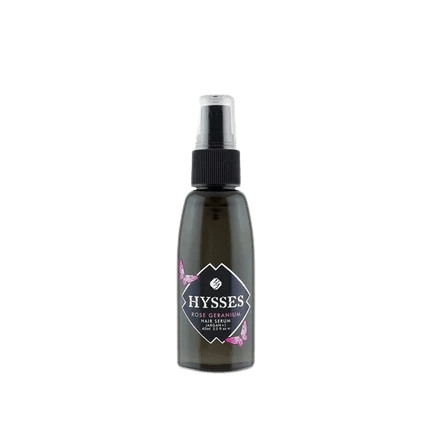
Hair serum has become a cornerstone of modern hair care for controlling frizz, boosting shine, and protecting hair from daily wear and tear. But one question still divides enthusiasts and professionals alike: should you blow dry your hair after applying serum?
With concerns around heat damage and long-term hair health at the forefront, this article offers science-backed guidance, expert viewpoints, and practical steps you can trust.
What Hair Serum Is and Why It Matters
Hair serum is a lightweight, leave-in formula that coats the hair’s outer layer (cuticle) to smooth texture, add gloss, and reduce friction. Unlike conditioners or masks that penetrate deep into the hair shaft, serums form a protective surface layer, an effect confirmed by cosmetic science research showing enhanced surface conditioning from these formulations.
At HYSSES, natural serums are part of a full hair care ecosystem developed to support scalp health and strand resilience. You can explore this range in the HYSSES hair care collection, which includes shampoos, conditioners, masks, and serums that work together for balanced, healthy hair.
Different Types of Hair Serum and Why Heat Protection Is Vital
Not all serums are created for heat styling. It’s crucial to choose a product that matches your styling goals:
Common Hair Serum Options Available at HYSSES
-
Lightweight Hair Serum – Lavender Hinoki: Hydrates, repairs, and protects against frizz and heat stress with botanical oils like jojoba and argan.
-
Lightweight Hair Serum – Lavender Chamomile: Tames frizz and enhances shine while supporting a balanced finish.
-
Hair Serum Palmarosa Jasmine (Argan+): Deep hydration and shine for dry, damaged, or colour-treated hair.
These serums are formulated with natural botanical oils and nutrients that calm the cuticle, reduce friction from hot tools, and improve manageability. For a full view of all hair serum options, visit the HYSSES natural hair serums collection.
Heat-Protectant Note: Some serums offer targeted heat protection, while others are designed mainly for surface smoothing or shine. If your goal is safer blow drying, choose a serum that explicitly supports heat resistance.
How Heat Affects Hair Structure and Where Serum Helps
Blow drying exposes hair to temperatures that can lift the cuticle, strip moisture, and weaken structural proteins. Controlled heat alters the hair’s physical properties and can lead to long-term dryness and breakage when used excessively.
However, when applied correctly, hair serum forms a thin protective layer that:
-
Reduces friction between strands
-
Shields hair from direct heat contact
-
Helps retain internal moisture
Dermatologists agree that temperature control + protective products are key elements in a healthy hair styling routine.
What Hair Experts Say About Using Heat After Serum
Board-certified dermatologists and hair professionals emphasise that heat protection is not just a buzzword. It's a practical necessity for maintaining hair integrity.
“A heat-protectant hair serum, applied to damp hair and used with low-to-medium heat, can reduce cuticle damage during blow drying,” Cheryl Gan, Founder & Managing Director, HYSSES
Controlled studies also show that formulations designed to shield hair fibres help minimise heat-induced dryness and structural damage over repeated styling sessions.
When It’s Safe to Blow Dry After Applying Serum
Blow drying after serum use can be safe and effective when the following are true:
-
The serum is designed for protection or general surface conditioning
-
You apply it to damp hair, not soaking wet or fully dry
-
You use moderate heat settings on your dryer
-
The drying session is kept brief and efficient
When Hair Serum May Be Less Effective:
-
Applied to dry hair before drying
-
Used in excess, creating buildup
-
Combined with prolonged high heat
Step-by-Step: How to Use Hair Serum Before Blow Drying
-
Shampoo and gently towel-dry your hair so it’s damp
-
Dispense a small amount of serum into your palms
-
Warm the product and distribute from mid-lengths to the ends
-
Wait 1–2 minutes to let the serum set
-
Blow dry using low-to-medium heat
-
Avoid applying serum directly to the scalp unless indicated
You can pair this with a gentle cleansing shampoo or conditioner from the HYSSES hair care collection, designed to support scalp balance and strand strength.
Tips for Better Results With Hair Serum and Heat Styling
To get the most benefit from serum and blow drying:
-
Choose botanical formulas with heat-stress ingredients
-
Use only minimal amounts to avoid greasiness
-
Opt for dryers with ionic or ceramic technology for gentler heat
-
Combine serum use with regular deep care masks for ongoing hydration
This holistic approach to hair care aligns with HYSSES’ wellness philosophy, treating hair and scalp as a system, not isolated parts.
Common Mistakes to Avoid
-
Assuming all serums double as heat protectants
-
Using high heat with low-protection products
-
Applying serum to dry, already styled hair before blow drying
-
Overloading hair with product
Understanding the purpose of your serum and how it interacts with heat is essential for long-term hair health.
Ways to Use Hair Serum Without Heat
Even without heat styling, hair serum remains a versatile finishing or maintenance product:
-
Air-drying: Enhances natural texture and reduces frizz
-
Shine-boosting: Adds luster after styling
-
Split-end nourishment: Smooths and protects ends overnight
This flexibility makes serum a valuable tool in both heat styling and everyday care.
Hair serum, especially when chosen for protection and applied correctly, works synergistically with blow drying. Combined with heat moderation and routine hair wellness practices, serum can help you achieve smoother, shinier hair while reducing the risk of heat damage.
For a curated set of natural, effective hair serums and complementary care products, explore the HYSSES hair range and make intentional choices that protect your hair every day.
Disclaimer
This guide is intended for educational and informational purposes only and does not replace professional medical, dermatological, or trichological advice. Hair type, scalp condition, and product response may vary between individuals. Always consult a qualified professional for personalised hair or scalp concerns.
References
Gan, C. (2025). Professional insights on botanical aromatherapy hair formulations.

Share:
The Aromatherapy Benefits of a Botanical Hair Mask
Wearing Hair Serum the Right Way: Tips for Frizz-Free, Glossy Hair