

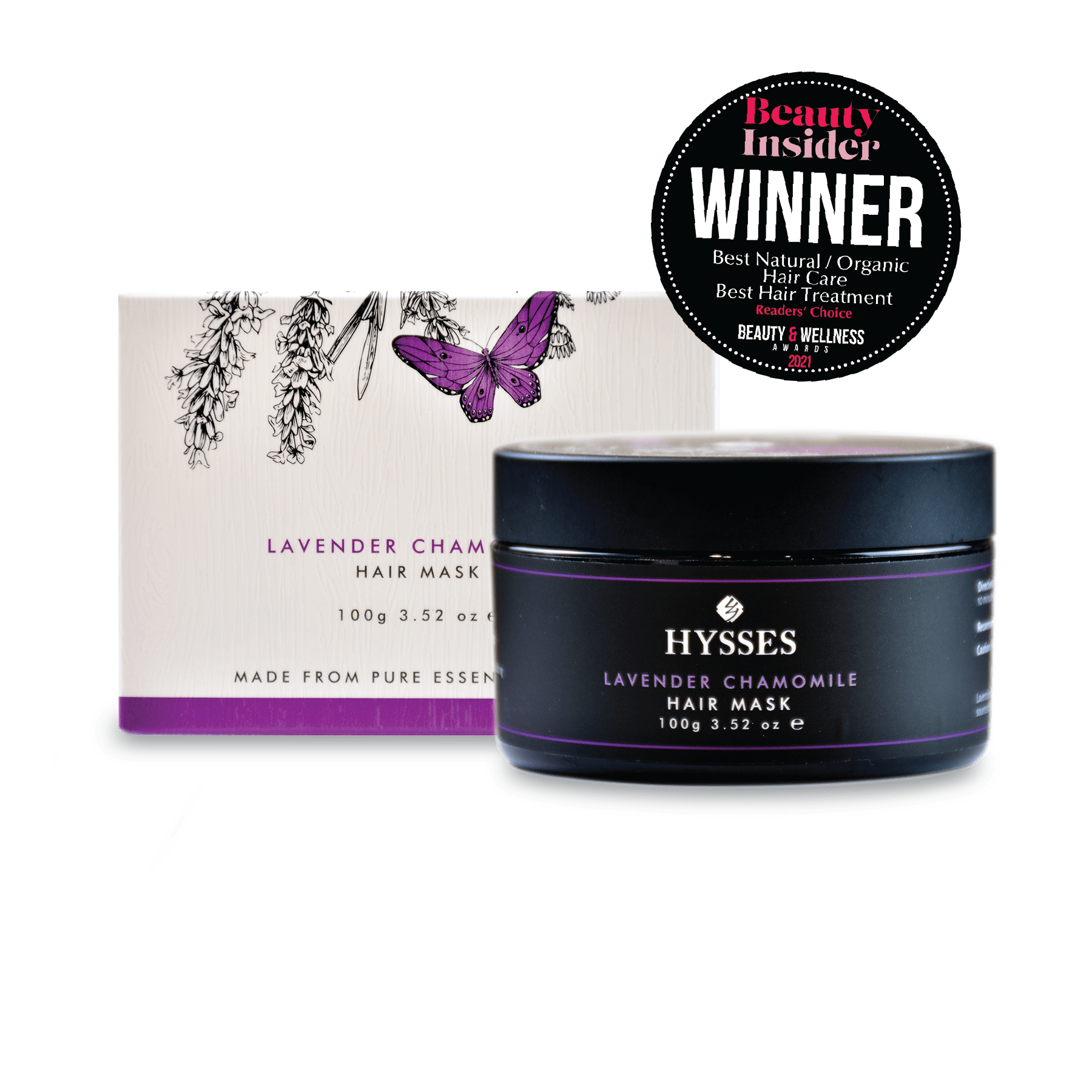
The shift toward clean, botanically driven hair care continues to accelerate and one of the most effective natural tools in that movement is the hair mask with pure essential oils.
Unlike conventional treatments that focus mainly on surface softness, a high-performance hair mask penetrates deeply to address scalp health, strengthen hair fibres, and enhance overall hydration. When carefully selected pure essential oils are included, the mask becomes both a scalp wellness aid and a hair revitalisation treatment.
According to Cheryl Gan, Founder and Managing Director of HYSSES,
“Essential oils, when properly formulated and combined with nourishing carrier bases, do more than add scent - they support scalp balance and long-term hair resilience. It’s this combination of integrity and efficacy that defines Hysses’ approach.”
Explore the Essential Oils Collection to see how premium oils like Lavender, Hinoki, and Chamomile are curated for wellness results.
What Makes a Hair Mask Truly Effective
A quality hair mask doesn’t just coat strands, it delivers nutrients and therapeutic botanicals where they’re needed most:
-
Deeply conditions and hydrates
-
Supports scalp microflora
-
Improves strength and elasticity
-
Enhances shine and manageability
Rather than focusing solely on surface aesthetics, masks formulated with pure essential oils can encourage improved scalp circulation, reduced irritation, and balanced sebum levels - making them truly restorative rather than merely cosmetic.
Why a Hair Mask with Essential Oils Works Better
Pure essential oils bring biologically active compounds into hair care that synthetic fragrances simply cannot provide. Within Hysses’ formulations, oils are selected for both sensory elegance and botanical function.
Key Essential Oils in Hysses’ Hair Masks
Lavender Essential Oil
-
Calms scalp irritation and helps balance oil production
-
Supports hair growth by encouraging circulation
-
Delivers a soothing, floral-herbal aroma during use
Hinoki Essential Oil
-
Earthy, woody base note that gently purifies the scalp
-
Helps strengthen roots and reduce buildup
-
Offers antibacterial and anti-irritant characteristics for scalp comfort
Chamomile Essential Oil
-
Adds shine while soothing sensitive scalps
-
Helps calm itchiness and supports gentle nourishment
-
Its antioxidant traits help protect hair structure
These aromatic profiles not only enhance the sensory experience of hair care but according to aromatherapy research - may also contribute to scalp comfort and overall hair resilience when properly diluted and formulated (Tisserand & Young, Essential Oil Safety, 2014).
Benefits You’ll Notice Over Time
Using a hair mask infused with pure Lavender, Hinoki, and Chamomile essential oils consistently can support:
-
Reduced scalp irritation and discomfort
-
Improved shine, softness, and hair manageability
-
Strengthened strands with fewer breakages
-
A calm, sensorial ritual during each application
This synergy between therapeutic botanicals and targeted hair care elevates your routine from basic conditioning to nourishing self-care.
What to Look for When Choosing an Essential Oil Hair Mask
When evaluating hair masks, here’s what separates effective formulas from empty marketing claims:
-
100% pure essential oils named clearly - not just “fragrance”
-
Botanical hydration and nourishment from quality plant-derived oils
-
Free from harsh sulfates, parabens, and silicones
-
Published usage guidance and expert formulation insight
For example, the Hysses Lavender-Hinoki Hair Mask blends calming Lavender with the earthy smoothness of Hinoki for deep conditioning and scalp rebalancing, while the Lavender-Chamomile Hair Mask combines calming floral notes with skin-soothing action for shine and comfort.
How to Use a Hair Mask with Essential Oils for Best Results
Proper application ensures your mask delivers maximum benefit.
Step-by-Step Routine:
-
Begin with clean, damp hair
-
Apply the mask from mid-lengths to ends (and scalp if formulated for it)
-
Gently massage to encourage circulation
-
Leave on for 5–20 minutes
-
Rinse thoroughly
Pro Tip: If you’re learning how to layer hair oil and hair mask for deeper nourishment, apply lightweight oil like Hysses Lightweight Hair Serum Lavender Hinoki before washing on particularly dry days, then follow with your hair mask for enhanced softness and shine.
Choosing the Right Hair Mask for Your Hair Type
Different hair concerns benefit from specific blends:
-
Dry, brittle hair: Lavender & Chamomile for moisture and soothing
-
Scalp irritation or buildup: Hinoki & Lavender for purifying comfort
-
General maintenance: A balanced Lavender blend for hydration and shine
Selecting the right essential oil balance ensures your mask supports your hair type — not just smells pleasant.
A hair mask with pure Lavender, Hinoki, and Chamomile essential oils is more than a treatment, it’s a botanical boost for scalp health, hair strength, and sensory wellness. When chosen with care and used consistently, it transforms your hair care ritual into a results-driven, natural wellness experience.
Ready to elevate your hair care? Explore Hysses’ Hair category and discover how pure aromatherapy can make a difference.
Frequently Asked Questions (FAQs)
1. Are essential oils safe in hair masks?
Yes, when professionally formulated at safe dilutions and used as directed, Lavender, Hinoki, and Chamomile essential oils can support scalp health.
2. How often should I use a hair mask with essential oils?
Once or twice weekly is ideal for most hair types to avoid buildup while promoting nourishment.
3. Can a hair mask help with dandruff or flakiness?
Yes, ingredients like Hinoki and Lavender help rebalance the scalp’s environment and soothe irritation.
4. Is a hair mask better than conditioner?
On mask days, a hair mask replaces conditioner for deeper treatment; conditioners are best for daily maintenance.
5. Can I apply a hair mask after oiling my hair?
Yes, gently oiling hair first (e.g., with Hysses serum) can enhance hydration, provided excess oil is washed out before masking.
Disclaimer
This guide is intended for educational and informational purposes only and does not constitute medical advice. Always conduct a patch test before using new products and consult a qualified professional if you have underlying scalp or skin conditions.
References (APA-style)
-
Gan, C. (2025). Insights on essential oil hair formulation and aromatherapy efficacy. HYSSES Publications.
-
Tisserand, R., & Young, R. (2014). Essential Oil Safety: A Guide for Health Care Professionals.

Share:
What Is Scalp Tonic and Why Your Hair Needs It
Applying a Hair Mask the Right Way for Best Results