

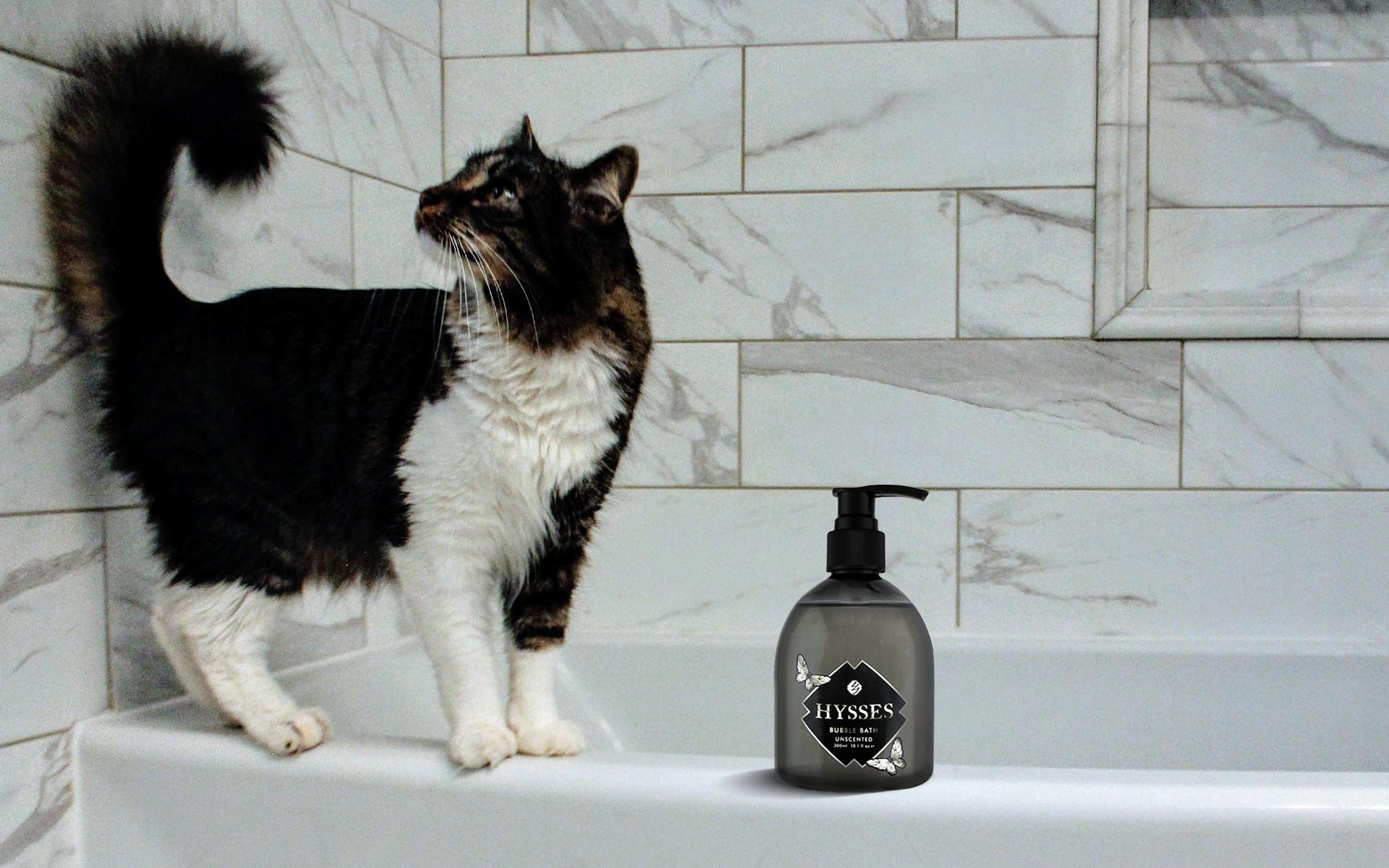
Grooming is far more than a cosmetic task it’s a cornerstone of your pet’s health, comfort, and happiness. Whether you’re weighing the polished results of professional grooming or the hands-on care of at-home grooming, each choice directly affects your pet’s skin, coat, nails, and emotional well-being.
In this guide, we explain what each approach offers, when one makes more sense than the other, and how to blend both for optimal care, so your pet stays clean, comfortable, and cared for, no matter their breed or personality.
Why Grooming Your Pet Is Important
Grooming is not optional for responsible pet owners, it’s preventive health care. According to Cheryl Gan, Founder & Managing Director of HYSSES and Barn & Potter Manufacturing:
“Grooming enables owners to spot early signs of skin issues, keep coats healthy and reduce the risk of infections or discomfort.”
Professional sources agree: Regular grooming helps maintain healthier skin and coat, removes allergens and dirt, and allows you to identify lumps or irritations early. aspca.org+1
Key benefits include:
-
Healthier skin & coat - Regular brushing reduces shedding and prevents painful mats.
-
Clean, comfortable pets - Baths remove dander, allergens and irritants.
-
Nail & ear safety - Correct trimming avoids injuries; ear cleaning fights infection.
-
Early detection - Grooming sessions often reveal underlying issues sooner than you’d think.
What Professional Pet Grooming Involves
Professional grooming goes beyond a quick wash. Groomers are trained to handle breed-specific coats, temperaments, and special conditions. A typical session may include:
-
Bathing and coat conditioning to deeply cleanse and nourish.
-
Hair trimming or styling tailored to breed or owner preference.
-
Nail clipping, paw care and ear cleaning.
-
Optional add-ons: dental care, de-shedding treatments, specialised skin therapy.
The Appeal of DIY Pet Grooming at Home
More pet owners are embracing DIY grooming thanks to natural-care trends and easier access to tools. Home grooming offers:
-
Cost-effectiveness: Doing routine grooming yourself cuts down repeated salon bills.
-
Bonding time: Hands-on grooming transforms appointments into shared, calm routines.
-
Flexibility: You can groom on your schedule, not the salon’s.
-
Product control: You select gentle shampoos, hypoallergenic products or natural-oil blends from Hysses to suit your pet’s skin and coat.
That said, DIY isn’t a full substitute for all professional grooming. Let’s explore the pros and cons.
Pros and Cons of Professional Grooming
Pros
-
Expert handling: Groomers are trained to manage complex tasks (mats, ears, coat styling).
-
High-quality tools and products: Including premium shampoos, conditioners and pet-safe oils.
-
Comprehensive care: One appointment may cover bath, nails, ears, and styling.
Cons
-
Cost: Regular sessions can add up, especially for large or frequent-groom breeds.
-
Scheduling & travel: Appointments may require advance booking; transport may stress pets.
-
Stress for pets: Some animals are anxious in unfamiliar settings.
Pros and Cons of DIY Pet Grooming
Pros
-
Savings: Reduced grooming bills over time.
-
Familiar environment: Home reduces pet stress.
-
Control: You choose every product and routine - for example, a Hysses essential oil-infused grooming spray for sensitive skin.
-
Bonding: Regular care strengthens pet-owner connection.
Cons
-
Learning curve: Brushing, trimming nails or hair evenly takes practice.
-
Limited tools: You may lack specialised equipment found in salons.
-
Risk of mistakes: Mistakes (uneven cut, accidentally clipping too much) can upset pets or require a professional fix.
-
Not always replacement: Salon visits still helpful for heavy coats, serious matting, or specialised treatments.
Which Pets Benefit Most from Professional Grooming?
Professional grooming is often the best choice for:
-
Breeds with complex coats (Poodles, Shih Tzus, Maltese, Cocker Spaniels) needing frequent styling and de-matting.
-
Pets with heavy undercoats or significant seasonal shedding.
-
Animals with sensitive skin, pre-existing skin conditions, or anxiety around grooming tasks.
-
Owners lacking time, tools or confidence to address certain grooming tasks safely.
When DIY Grooming Makes More Sense
At-home grooming is typically suitable for:
-
Short-haired breeds with low maintenance coats.
-
Maintenance between professional sessions (weekly brushing, fortnightly nail check).
-
Owners who prefer using natural, veterinarian-approved blends. One must always verify that any essential oil or grooming product is safe for pets.
At Hysses, we emphasise natural, gentle options for pet wellness chăm, but always recommend consultation with your veterinarian for pet-specific conditions.
Practical Tips for Enhancing Any Grooming Routine
Whether you opt for full professional services, DIY at home or a hybrid approach, these tips ensure safer, more effective grooming:
-
Invest in good tools: High-quality brushes, nail trimmers/grinders, grooming combs, and a mild pet-safe shampoo.
-
Keep a consistent schedule: Weekly brushings, monthly nail/ear checks.
-
Learn safe techniques: If trimming hair or mats at home, use short sessions and proper tools; consider short classes or tutorials.
-
Use essential oils with caution: Even natural oils must be properly diluted and vet-approved before use. Direct application is not recommended.
-
Monitor for skin or coat signs: Redness, lumps, swelling or increased scratching - stop DIY and consult a vet if seen.
-
Consider temperament and stress: For anxious or older pets, in-home visits or mobile groomers may be less traumatic than salon trips.
Deciding Your Blend of Professional & DIY Grooming
Choosing between professional grooming and DIY isn’t about right or wrong, it’s about what keeps your pet healthy, calm and comfortable. For many owners:
-
Use DIY grooming for routine upkeep (brushing, baths at home, regular nail checks).
-
Use professional grooming for trims, mat removal, ear/skin treatments and breeds with complex coats.
In either case, always prioritise safe products, natural ingredients and frequent observations of your pet’s condition.
Natural Product Options from Hysses for Pet Care
For owners seeking gentle, natural grooming support, Hysses offers a suite of pet-wellness products, formulated with pure essential oils, clean ingredients and mindful standards of safety. Explore our FurryCare collection for grooming sprays, skin soothers and scent solutions that complement both professional and home care routines.
Final Thoughts
Grooming is a key part of your pet’s overall well-being, not just aesthetic. A balanced approach, blending at-home care with periodic professional grooming, offers the best of both worlds: cost savings, control and convenience plus expert handling when it matters most. By using safe, natural products like those from Hysses, staying consistent with routines and remaining alert to your pet’s needs, you’ll ensure a happier, healthier companion for years to come.
Explore our full collection of grooming and wellness products to support your pet’s coat, skin and comfort: Hysses Pet Grooming & Wellness
Frequently Asked Questions (FAQs)
Q1: Can I use essential oils around my pet’s grooming routine?
A: Yes, but only after vet consultation, using pet-safe oils, proper dilution, and ensuring good ventilation. Some oils may pose risks to dogs or cats.
Q2: How often should I take my pet for professional grooming?
A: It depends on breed, coat type and lifestyle. For example, high-maintenance breeds may require 6-8 weekly visits whereas short-haired pets might only need 2-3 per year and at-home maintenance in between.
Q3: What should I look for in a professional groomer?
A: Check credentials, ask about handling of anxious pets, see whether they include coat conditioning, ear cleaning and nail trims, and ensure they use high-quality, gentle grooming products.
Q4: Can I groom my pet entirely at home to save money?
A: Yes for many pets, especially short-haired breeds. But you may still want professionals for trims, heavy de-shedding or skin issues. DIY requires time, skill and tools.
Q5: Which grooming tasks are safest for me to do at home?
A: Regular brushing, weekly nail checks (and occasional trimming if comfortable with tool), baths with pet-safe shampoo, and ear inspections (clean gently). Leave styling, mat removal and complex haircuts to professionals.
Disclaimer
This guide is intended for educational and informational purposes only. It does not substitute professional veterinary advice. Always consult your veterinarian before starting new grooming routines or using essential oils on or around pets.
References
Mitchell, S. C. (2024, July 30). Are essential oils safe for dogs? 7 to use and 12 to avoid. PetMD. PetMD
Saje Wellness. (2024, May 7). Essential oils & pets. SAJE Blog. saje.com
ASPCA. (2022, June 23). The essentials of essential oils around pets. aspca.org

Share:
5 Common Pet Grooming Mistakes and How to Avoid Them Naturally
Pet Grooming Made Easy: Tips Every Pet Owner Should Know