

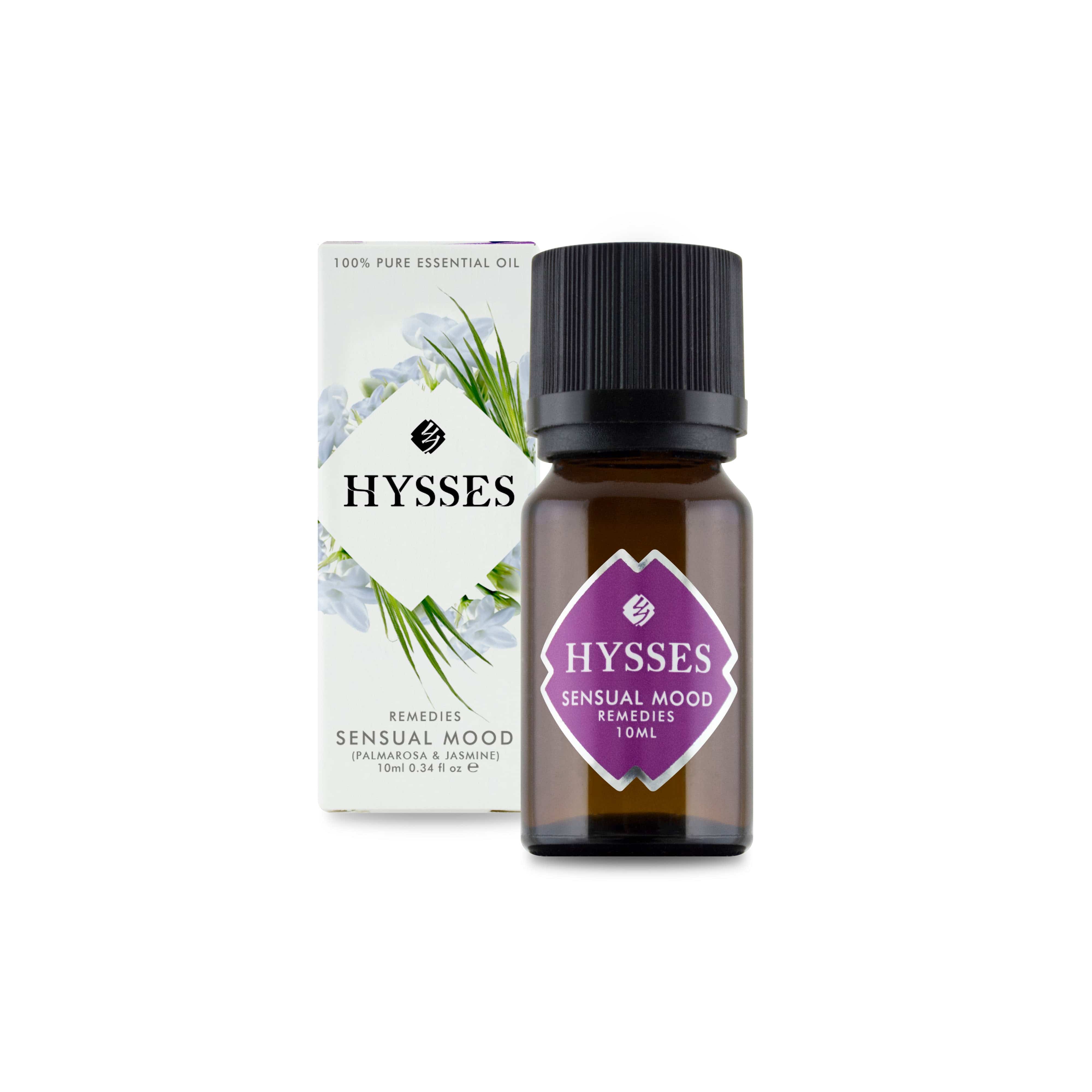
Oiled yoga blends the grounding movements of yoga with the nurturing qualities of natural essential oils. This practice invites balance between body and mind through the combined power of touch, breath, and scent. By integrating essential oils from the HYSSES collection, practitioners experience smoother transitions, deeper relaxation, and greater awareness of the present moment.
“When the senses are harmonised through movement, touch, and natural aroma, the body finds its way back to balance. That is the heart of oiled yoga.”
– Cheryl Gan, Founder and Managing Director of HYSSES
The Essence of Oiled Yoga
Oiled yoga enhances the sensory dimension of yoga practice by combining movement, breath, and aromatherapy. Each element complements the others, creating a holistic and rejuvenating experience.
Enhanced Sensory Awareness
Aromas from essential oils such as Lavender Essential Oil and Ylang Ylang Essential Oil support mindfulness by anchoring focus on breath and sensation.
Improved Mobility
Gentle self-massage using carrier and essential oils reduces muscle tension and supports fluid joint movement. This allows smoother, more connected transitions between poses.
Skin Nourishment
Natural oils hydrate and protect the skin, leaving it soft and supple throughout practice. Regular application supports elasticity and healthy tissue renewal.
Emotional Balance
Oils like Frankincense Essential Oil and Bergamot Essential Oil promote calm and clarity, encouraging emotional equilibrium during yoga or meditation.
The Origins of Oiled Yoga
Oiled yoga draws inspiration from traditional Ayurvedic practices such as Abhyanga, an ancient form of self-oil massage designed to promote circulation and balance the nervous system. This aligns naturally with yoga’s holistic philosophy of integrating body, breath, and mind.
Modern practitioners have adapted these traditions, using essential oils to complement gentle yoga flows. The combination of aromatic inhalation and topical oil application helps enhance concentration, relaxation, and sensory awareness.
According to a 2020 study in the Journal of Environmental Health Research, aromatherapy massage using essential oils can significantly reduce physiological stress indicators and promote overall well-being, outcomes that align closely with the goals of oiled yoga.
Choosing the Right Essential Oils
At HYSSES, every essential oil is ethically sourced, 100% pure, and expertly formulated for therapeutic use. When selecting oils for oiled yoga, consider both their aromatic profiles and their functional benefits.
|
Desired Effect |
Sensory Description |
|
|
Calming and Restorative |
Floral and serene; supports deep relaxation and inner stillness |
|
|
Grounding and Balancing |
Warm and woody; encourages emotional grounding and focus |
|
|
Invigorating and Energising |
Crisp and uplifting; enhances alertness and vitality |
|
|
Clarity and Breath Support |
Fresh and purifying; supports clear breathing and focus |
How to Incorporate Essential Oils in Your Practice
Diffusion
Add 5 to 8 drops of essential oil to a HYSSES Diffuser or nebuliser before beginning your session. Allow the aroma to fill the space, preparing the mind for calm and focus.
Topical Application
Dilute your chosen essential oil with a carrier oil before applying to wrists, neck, or feet. This supports smoother movements and enhances sensory connection.
Yoga Mat Spray
Combine 10 drops of Lemongrass Essential Oil with 100 ml of distilled water. Lightly spritz your mat before and after use for freshness. Clean occasionally with the HYSSES Nebuliser Cleaning Solution to maintain hygiene.
Massage Integration
Gently massage areas of tension such as the shoulders, calves, or lower back during or after practice using a blend of Lavender and Frankincense in carrier oil.
Physical and Emotional Benefits of Oiled Yoga
Supporting Muscles and Joints
The glide provided by oils helps minimise friction, improving mobility and flexibility. Gentle massage promotes circulation and may support recovery after intense sessions.
Regulating the Nervous System
According to the Journal of Alternative and Complementary Medicine, aromatherapy using lavender and sandalwood may help activate the body’s relaxation response, reducing heart rate and anxiety levels.
Promoting Skin Health
Carrier oils protect and hydrate the skin, while essential oils like Tea Tree help maintain cleanliness and balance.
Cultivating Mindfulness and Presence
Applying oil before practice encourages intentional touch and awareness. Inhaling soothing aromas grounds the mind, supporting focus and inner calm.
Emotional Release and Self-Connection
Oils such as Geranium Essential Oil and Rose Essential Oil help open emotional pathways, fostering self-compassion and balance.
Creating a Safe and Supportive Practice Environment
A calm, organised environment enhances both physical comfort and sensory enjoyment.
Prepare the Space
-
Clean your mat using a refreshing oil spray
-
Keep towels, carrier oil, and roller bottles within reach
-
Diffuse grounding scents such as Sandalwood Essential Oil
Safety Guidelines
-
Always dilute essential oils before applying to the skin
-
Conduct a patch test before first use
-
Avoid contact with eyes and sensitive areas
-
Maintain clean hands and yoga props
When to Avoid Oiled Yoga
Avoid oiled yoga if you have skin irritation, open wounds, or respiratory sensitivities. Pregnant individuals should consult a qualified aromatherapist before using strong essential oils. Always choose high-quality, pure essential oils such as those from HYSSES to ensure safety and efficacy.
Oiled yoga unites movement, touch, and scent into a practice of mindfulness and self-care. By using HYSSES essential oils such as lavender, sandalwood, and frankincense, you enhance both the physical and emotional aspects of your yoga journey. Allow the sensory depth of aroma and movement to restore balance, clarity, and harmony from within.
Frequently Asked Questions
1. Can I use essential oils directly on my skin during yoga?
No. Always dilute essential oils with a carrier oil before applying to the skin to prevent irritation.
2. Which HYSSES oils are best for beginners?
Start with Lavender Essential Oil for relaxation or Lemongrass Essential Oil for energy and freshness.
3. How do I clean my diffuser after yoga practice?
Use the HYSSES Nebuliser Cleaning Solution regularly to maintain optimal function and hygiene.
4. Can oiled yoga help with stress management?
Yes. Studies in aromatherapy journals have shown that essential oils like lavender and frankincense can help reduce stress indicators when combined with mindful movement.
5. Are all essential oils safe to diffuse around pets?
Some essential oils may not be suitable for pets. Always ensure good ventilation and consult reliable resources before diffusing near animals.
Disclaimer
This guide is intended for educational and informational purposes only. It is not a substitute for professional medical advice, diagnosis, or treatment. Always consult a qualified healthcare provider before starting any new wellness practice.
References
-
Gan, C. (2025). HYSSES Aromatherapy Insights and Practice Notes.
-
Tisserand, R., & Young, R. (2020). Essential Oil Safety (2nd ed.). Churchill Livingstone.
-
Journal of Environmental Health Research (2020). Aromatherapy Massage and Stress Reduction Study.
-
Journal of Alternative and Complementary Medicine (2019). Essential Oils and the Parasympathetic Response.
-
Harvard Health Publishing (2022). Aromatherapy and the Relaxation Response.

Share:
DIY Essential Oil Products for Yoga: Mat Sprays, Massage Oils and Custom Blends
Top-Rated Electric and Essential Oil Burners in Singapore: What to Buy and Why