

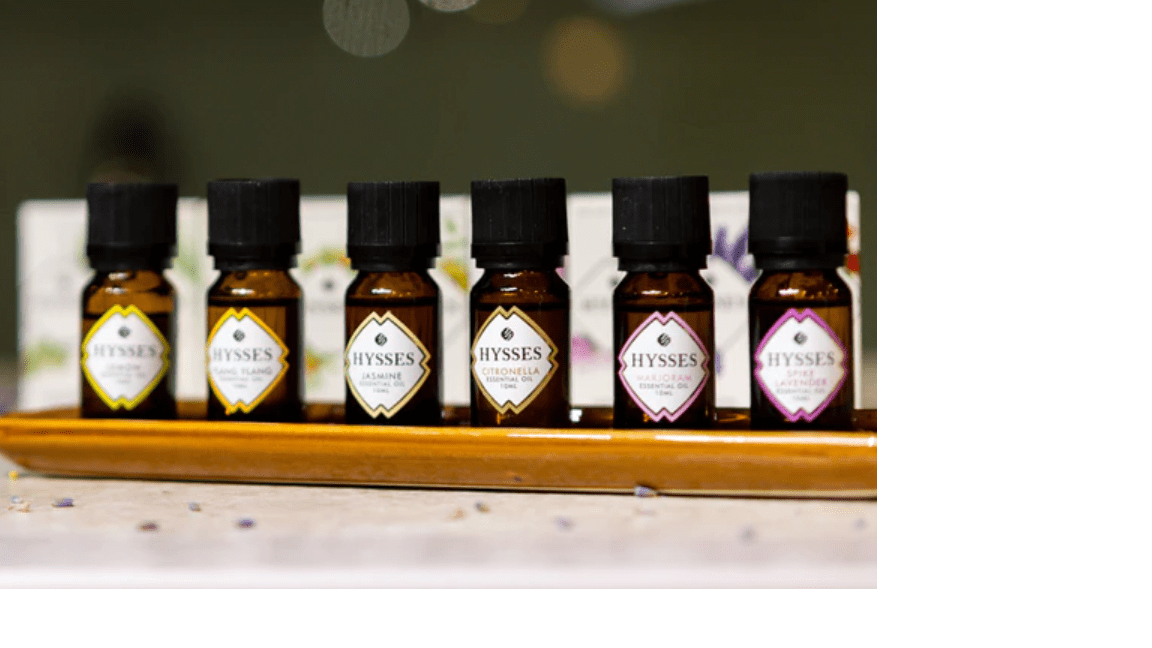
Digestive discomfort and kidney issues can quietly sap your energy and affect your daily life, making even simple tasks feel challenging. Fortunately, nature provides a gentle yet effective ally: HYSSES Remedy Oil, a carefully crafted botanical blend formulated to support healthy digestion, reduce inflammation, and promote toxin elimination.
This guide, reviewed with insights from Cheryl Gan, Founder and Managing Director of HYSSES, explains how to use remedy oil safely and effectively through proper dilution, massage techniques, and mindful aromatherapy. Whether you’re dealing with bloating, irregular digestion, or kidney tension, incorporating HYSSES Remedy Oil into your daily wellness routine offers a natural path toward comfort and vitality.
Peppermint Essential Oil - Cooling Relief for Digestion and Gas
Peppermint Essential Oil from HYSSES is known for its refreshing scent and therapeutic cooling effect. It helps relax the muscles of the gastrointestinal tract, easing indigestion, gas, and bloating.
“Peppermint’s menthol component supports digestive balance by stimulating bile flow and reducing intestinal spasms,” explains Cheryl Gan, aromatherapy formulator at HYSSES.
How to use:
-
Dilute 1–2 drops of Peppermint Essential Oil in a carrier oil such as jojoba or grapeseed oil.
-
Gently massage onto the abdomen in circular motions to promote relief.
-
For inhalation, add 3–4 drops to a HYSSES Diffuser after meals to refresh and balance the air.
Individuals with acid reflux or GERD should seek medical advice before topical use, as peppermint may relax the lower esophageal sphincter.
Explore Peppermint Essential Oil and browse the full Essential Oils Collection to discover more natural blends that support digestive health.
Lemongrass and Ginger Blend - Stimulating Digestive Harmony
HYSSES’ Ginger Lemongrass Massage Oil invigorates both mind and body, supporting natural detoxification while improving circulation. Lemongrass offers a bright, citrusy aroma that relieves sluggish digestion, while ginger warms and soothes the stomach.
According to a 2020 study published in the Journal of Environmental Health Research, ginger essential oil promotes faster gastric emptying and can ease mild nausea naturally.
How to use:
-
Warm a small amount of Ginger Lemongrass Massage Oil between your palms.
-
Apply gently to the abdominal area in clockwise motions.
-
Ideal for after meals or postnatal care to tone the skin and support recovery.
Pregnant individuals should consult their healthcare provider before use.
Lavender and Frankincense Oils – Relaxation and Digestive Support
Lavender Essential Oil and Frankincense Essential Oil are two of the most revered oils for calming both the mind and body. Lavender’s floral notes reduce stress-induced indigestion, while frankincense supports immune health and encourages inner balance.
How to use:
-
Diffuse 3–4 drops of Lavender or Frankincense in your HYSSES Nebuliser before bedtime.
-
For massage, dilute 2 drops of each oil in a teaspoon of carrier oil.
-
Gently rub into the lower back or abdomen for five minutes.
Learn proper diffuser care in our related article, How to Use a Nebuliser Correctly.
Sandalwood and Marjoram Oils – Gentle Kidney Support
Sandalwood Essential Oil promotes emotional calm and may aid the body’s natural detox functions, while Marjoram Essential Oil is known for its circulatory and muscle-relaxing properties. When combined, these oils can help relieve mild kidney tension or lower back stiffness related to detoxification.
How to use:
-
Mix 1 drop Sandalwood and 1 drop Marjoram with 5ml carrier oil.
-
Massage into the lower back in gentle upward strokes.
-
Use after a warm bath for enhanced absorption.
“Our customers often find that consistent aromatherapy massage encourages better lymphatic flow, complementing the body’s natural elimination process,” says Cheryl Gan.
Aromatherapy in Palliative and Supportive Care
For individuals on a palliative journey, essential oils can bring emotional comfort, reduce anxiety, and promote peaceful rest. While not a cure, aromatherapy serves as an empathetic companion in holistic care.
Commonly used oils in supportive care include:
-
Lavender - for relaxation and gentle sleep support.
-
Frankincense - for emotional balance and inner grounding.
-
Ylang Ylang - for uplifting mood and calming tension.
Methods:
-
Diffusion: Add 3–4 drops to a diffuser for 30–60 minutes.
-
Topical Application: Dilute 2–3 drops per teaspoon of carrier oil for massage.
-
Inhalation: Place 1 drop on a cotton pad for direct scent therapy.
Research published in Harvard Health (2021) highlights that aromatherapy with lavender and frankincense significantly improved perceived quality of life among palliative care patients.
General Safety Guidelines When Using Remedy Oils
-
Always consult a healthcare provider before beginning new treatments, especially for chronic conditions or when taking medication.
-
Dilute essential oils before topical use.
-
Conduct a patch test for sensitivity.
-
Store oils in cool, dark places away from children.
-
Use only high-quality, HYSSES-certified essential oils for purity and safety.
For more insights, visit The Ultimate Guide to Using Essential Oils for Natural Remedies.
By integrating HYSSES Remedy Oil into your daily routine, you choose a natural, time-tested approach to supporting digestive and kidney health. Each carefully blended drop works harmoniously with your body, easing discomfort, aiding detoxification, and restoring balance.
Consistency is key. A few mindful applications each day can pave the way toward long-term vitality and well-being. Explore our Essential Oils Collection and experience the pure power of aromatherapy, refined by nature and perfected by science.
Frequently Asked Questions (FAQs)
1. Can I use HYSSES Remedy Oil directly on my skin?
No. Always dilute with a carrier oil before topical application to avoid irritation.
2. How often should I use remedy oil for digestive support?
Massage once or twice daily after meals or before rest.
3. Can essential oils help with kidney detoxification?
While not a substitute for medical treatment, oils like Sandalwood and Marjoram may support relaxation and circulation, complementing natural detox pathways.
4. Are these oils safe during pregnancy?
Consult a healthcare provider before use. Avoid potent oils like Peppermint and Lemongrass in the first trimester.
5. Can I combine multiple essential oils in one diffuser?
Yes. Blends like Lavender with Frankincense or Ginger with Lemongrass create balanced aromatherapeutic experiences.
Disclaimer
This guide is intended for educational and informational purposes only. It is not a substitute for professional medical advice, diagnosis, or treatment. Always consult your healthcare provider before starting any new wellness routine or using essential oils for therapeutic purposes.
References
Gan, C. (2025). Aromatherapy Formulation and the Science of Scent. HYSSES Singapore.
Tisserand, R., & Young, R. (2014). Essential Oil Safety: A Guide for Health Care Professionals (2nd ed.). Elsevier.
Journal of Environmental Health Research. (2020). Effects of Ginger Oil on Gastrointestinal Function.
Harvard Health Publishing. (2021). Aromatherapy and Emotional Wellness in Palliative Care.
PubMed Central. (2022). Peppermint Oil and Gastrointestinal Relaxation Mechanisms.
Related Articles
-
The Ultimate Guide to Using Essential Oils for Natural Remedies
-
Natural Remedies for Pain Relief

Share:
Essential Oils for Clearer, Healthier Skin
How to Use Essential Oils for Itchy Skin & Bug Bite Relief