

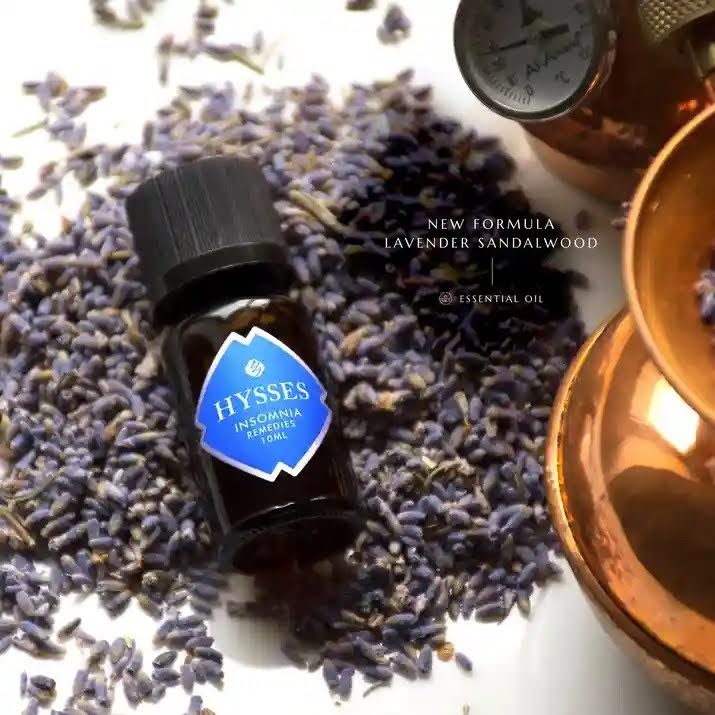
Essential oils have gained immense popularity in recent years for their therapeutic and aromatic benefits, offering a natural remedy for everything from relaxation to skin care. However, despite their wide appeal, these potent plant extracts can sometimes cause adverse reactions. Whether through skin irritation, respiratory issues, or more severe systemic effects, it's crucial to understand how to properly handle any negative responses to essential oils. In this post, we will explore the common types of adverse reactions to essential oils, the immediate steps you can take to address them, and preventive measures to ensure safe usage.

Recognizing the Signs: When Essential Oils Turn Harmful
While essential oils are natural, their concentrated compounds can overwhelm the body. Skin irritation, such as redness or itching, is among the most frequent complaints, often caused by improper dilution. Allergic reactions, though less common, may escalate to rashes or swelling. Phototoxic oils like bergamot or lemon can react with sunlight, causing burns, while inhaling oils like eucalyptus or peppermint in excess might lead to coughing or dizziness. Systemic reactions, such as nausea or headaches, often stem from overuse or accidental ingestion.
Immediate Response to Skin Reactions
If your skin reacts to an essential oil whether it’s a mild itch or a burning sensation, act quickly. Rinse the area with cool water and mild soap to remove residual oil. Avoid scrubbing, as this can worsen irritation. For mild cases, apply a carrier oil like coconut or jojoba to dilute the essential oil (water alone may spread the oil, intensifying discomfort). A cold compress can reduce swelling, while aloe vera gel or hydrocortisone cream may soothe inflammation.
For severe chemical burns, blistering, peeling, or intense pain seek medical attention immediately. Over-the-counter burn creams can provide temporary relief, but professional care is essential to prevent infection or scarring. For those experiencing allergic responses such as hives or extreme swelling it’s important to understand how to treat allergic reactions to essential oils. Antihistamines might be useful, but if symptoms worsen or affect breathing, seek emergency medical attention.

Navigating Respiratory Sensitivity
Inhaling essential oils can provide quick benefits, but not all lungs respond kindly. Some people develop respiratory reactions such as coughing, sneezing, shortness of breath, or even wheezing when exposed to certain oils. Strong oils like eucalyptus, peppermint, and clove are known triggers.
The first step in managing such a situation is to stop the exposure. If the oil is being diffused, turn off the diffuser immediately. Open windows to improve ventilation, and if possible, use a fan or an air purifier to help clear the air. Move the affected person to an area with fresh air and observe their symptoms. Persistent symptoms like chest tightness or dizziness warrant a trip to the emergency room, as they may indicate a severe allergic response or asthma exacerbation.
Managing Phototoxic Burns
Citrus oils like lime or grapefruit contain compounds that react with UV light, leading to redness, blisters, or dark patches. If exposed to sunlight after using these oils, cover the skin and rinse with cool water. Apply aloe vera or a fragrance-free moisturizer to calm inflammation. Avoid sun exposure for at least 48 hours and wear broad-spectrum sunscreen if going outside. For blistering burns, treat them as you would a thermal burn: keep the area clean, avoid popping blisters, and consult a healthcare provider if the skin breaks or shows signs of infection. If symptoms worsen, consult a healthcare professional. Long-term damage from phototoxic reactions is rare but possible, especially if not treated promptly.
Systemic Reactions and Accidental Ingestion
Not all reactions are confined to the skin or lungs. Some essential oils, particularly when overused or ingested, can cause systemic issues like headaches, dizziness, nausea, or even confusion. While ingestion of essential oils is sometimes promoted in alternative health circles, it is strongly discouraged unless under the guidance of a certified professional.
If accidental ingestion occurs, do not induce vomiting. Instead, drink water or milk to dilute the oil and immediately call poison control or seek medical advice. Symptoms of toxicity such as vomiting, abdominal pain, or slurred speech require urgent medical attention.

Preventing Reactions Before They Start
-
Dilution and Patch Testing
Always dilute essential oils in a carrier oil (like almond or olive oil) before applying them to the skin. A 1–2% dilution roughly 6–12 drops of essential oil per ounce of carrier oil is generally safe for adults. Perform a patch test by applying a diluted drop to your inner forearm and waiting 24 hours to check for reactions.
-
Proper Diffusion and Storage
Limit diffusion sessions to 30–60 minutes in ventilated spaces, particularly with potent oils like cinnamon or tea tree. Store oils in dark glass bottles away from heat and sunlight to preserve their integrity, and discard expired oils, as oxidized compounds are more likely to irritate.

Which Oils to Be Cautious With
Some essential oils are more likely to cause adverse reactions. These include:
-
Cinnamon, clove, and oregano: High in phenols, which can irritate skin and mucous membranes.
-
Citrus oils (bergamot, lime): Phototoxic; avoid sun exposure after use.
-
Peppermint and eucalyptus: Can trigger respiratory issues if over-diffused.
When to Seek Medical Assistance
Sometimes home remedies aren’t enough. Serious reactions may require medical evaluation. Blistering, peeling skin, or signs of infection after essential oil use indicate a need for professional care. Severe swelling, hives, or difficulty breathing may point to an allergic reaction requiring antihistamines or even emergency intervention.
If someone shows signs of anaphylactic shock including rapid heartbeat, swelling of the throat or face, or difficulty breathing, call emergency services immediately. Use an epinephrine auto-injector if one is available.
Ingesting essential oils especially by children can lead to systemic toxicity. Immediate consultation with poison control or a healthcare provider is essential in such cases.
While essential oils can be powerful allies in promoting well-being, their potency demands careful and informed use. Adverse reactions ranging from mild skin irritation to severe allergic responses or phototoxic burns can occur when oils are misused or when individual sensitivities are overlooked. By learning how to treat these reactions effectively and understanding the importance of early intervention, you can use essential oils with greater confidence and safety. Always dilute properly, perform patch tests, and be mindful of how and where oils are applied. Most importantly, when in doubt or if symptoms escalate, seek medical advice without delay. With the right knowledge and precautions, essential oils can remain a beneficial part of your wellness routine without unwanted consequences.

Share:
How to Diffuse Essential Oils at Home and in Your Car
Essential Oils for Respiratory Health