

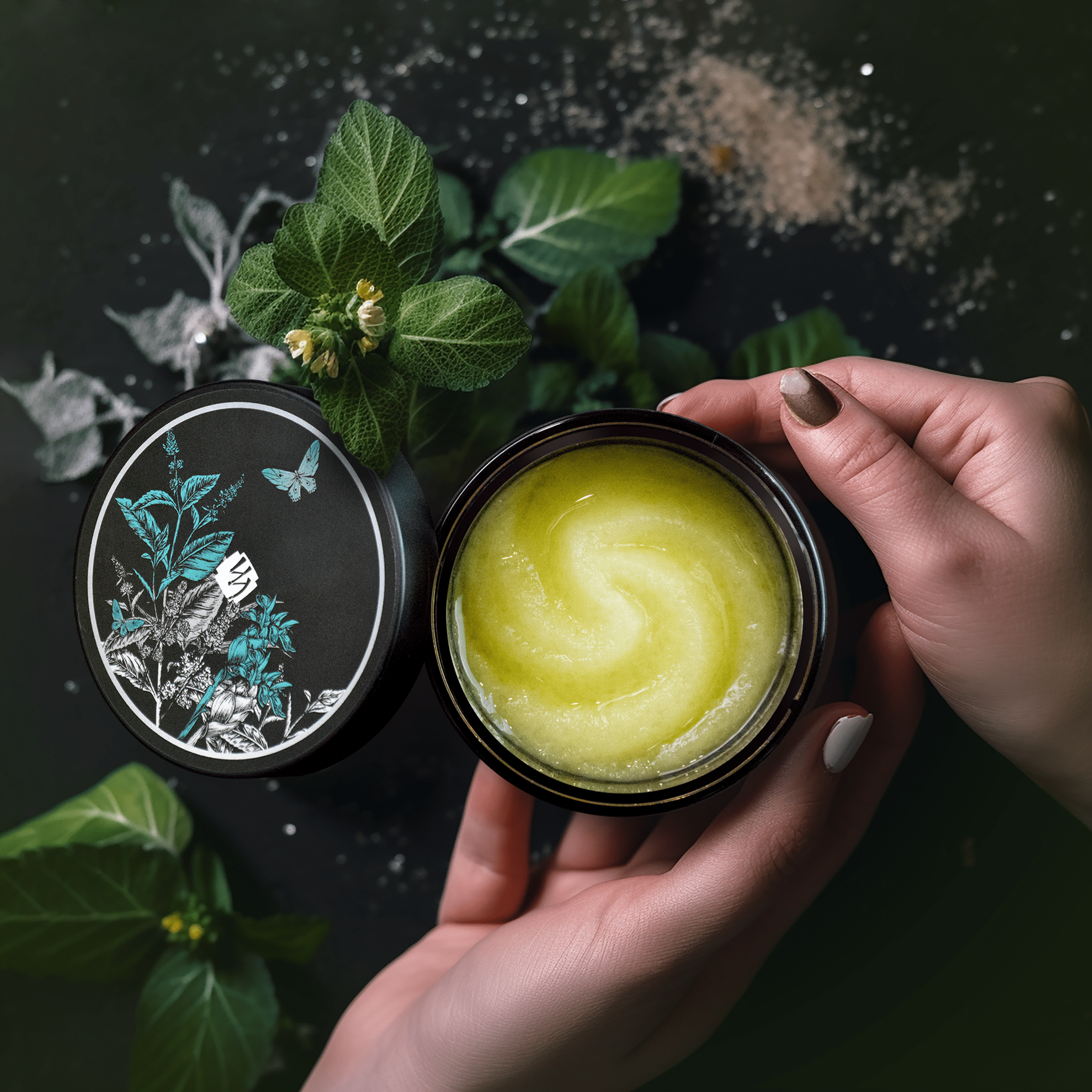
Modern skincare is increasingly moving toward natural, ingredient-conscious routines. Consumers today want to know exactly what goes onto their skin and how those ingredients work.
One of the simplest ways to begin a natural routine is by creating a DIY body scrub with essential oils. These scrubs combine gentle exfoliation with the sensory and therapeutic benefits of aromatherapy.
At HYSSES, aromatherapy formulations are developed with both botanical tradition and scientific research in mind.
“When pure and used with precision, essential oils complement the skin’s own repair systems,” explains Cheryl Gan.
A simple body scrub enriched with essential oils can help remove dead skin cells, enhance hydration, and transform an everyday shower into a spa-like self-care ritual.
If you're exploring aromatherapy ingredients, you can browse our Essential Oils Collection
Understanding DIY Skincare and Aromatherapy
DIY skincare involves making personal care products using natural ingredients such as sugars, salts, plant oils, and essential oils.
Body scrubs are especially popular because they are:
-
Simple to prepare
-
Customisable to skin needs
-
Naturally aromatic
Unlike complex skincare formulations like creams or emulsions, scrubs rely on three simple components:
-
Exfoliating base
-
Carrier oil
-
Essential oils
Essential oils add both aroma and therapeutic plant compounds that enhance the skincare experience.
According to aromatherapy authority Robert Tisserand, essential oils contain bioactive compounds that can support skin wellness when properly diluted and used safely.
Why Body Scrubs Benefit Skin Health
Exfoliation is an essential step in maintaining healthy skin.
As skin naturally renews itself, dead skin cells accumulate on the surface, causing dullness and rough texture. A body scrub helps remove these cells, revealing smoother and brighter skin.
Benefits include:
1. Improved Skin Texture
Removing dead skin cells helps smooth rough areas such as elbows, knees, and heels.
2. Better Moisture Absorption
Exfoliated skin absorbs moisturisers more effectively.
3. Circulation Support
Gentle massage during scrubbing can stimulate blood flow and improve skin glow.
4. Aromatherapy Wellness
Essential oils transform a simple scrub into a relaxing sensory experience.
According to Hammer, K. A., Carson, C. F., & Riley, T. V. (1999), in the Journal of Environmental Health Research found that aromatic plant extracts can help reduce musculoskeletal discomfort and support relaxation when used in topical applications or aromatherapy.
Essential Oils Ideal for DIY Body Scrubs
Choosing high-quality essential oils is important for both safety and effectiveness. Hysses offers a range of oils commonly used in natural skincare.
Lavender Essential Oil
Lavender is one of the most versatile essential oils in aromatherapy.
Its soft floral aroma is known to:
-
Calm the mind
-
Promote restful sleep
-
Support skin recovery and relaxation
Lavender contains compounds like linalool and linalyl acetate, which are associated with relaxation and stress reduction.
According to Stanley, P. F., et al. (2020), clinical study on lavender aromatherapy found it significantly reduced anxiety in surgical patients.
Lemon Essential Oil
Lemon essential oil provides a bright citrus aroma that energises and refreshes.
It is commonly used in body scrubs because it:
-
Enhances freshness
-
Supports skin clarity
-
Creates an uplifting sensory experience
Hysses often recommends lemon oil in simple skincare blends such as sugar scrubs for gentle exfoliation.
Peppermint Essential Oil
Peppermint essential oil delivers a cooling sensation and refreshing scent. Menthol compounds in peppermint oil activate cold-sensitive receptors that may reduce discomfort and refresh tired muscles.
Peppermint scrubs are especially popular for:
-
Post-workout recovery
-
Foot scrubs
-
Energising morning showers
Frankincense Essential Oil
Frankincense is known for its warm, resinous aroma and skin-supporting properties.
In aromatherapy skincare, it is often used to:
-
Support skin regeneration
-
Improve the appearance of scars
-
Promote relaxation and grounding
Hysses frequently pairs frankincense with lavender for balanced skincare blends.
Choosing the Right Ingredients for a DIY Body Scrub
A well-balanced body scrub includes three core ingredients.
Natural Exfoliants
-
Fine sugar (gentle exfoliation)
-
Sea salt (deeper exfoliation)
Sugar is typically recommended for beginners because it is less abrasive and suitable for sensitive skin.
Carrier Oils
Carrier oils dilute essential oils and nourish the skin.
Popular options include:
-
Coconut oil
-
Jojoba oil
-
Sweet almond oil
Carrier oils help prevent irritation while improving skin hydration.
Essential Oils
Essential oils add both fragrance and therapeutic benefits.
Always dilute them properly before applying to skin.
How to Make a DIY Body Scrub
Making a body scrub takes only a few minutes.
Basic Recipe
Ingredients:
-
1 cup sugar
-
½ cup coconut oil
-
5–8 drops essential oil
Instructions:
-
Combine sugar and oil in a bowl.
-
Add essential oils.
-
Mix until evenly blended.
-
Store in an airtight glass jar.
Use the scrub once or twice per week for best results.
Simple DIY Body Scrub Recipes
Relaxing Lavender Sugar Scrub
Ingredients:
-
1 cup sugar
-
½ cup coconut oil
-
6 drops lavender essential oil
The calming floral aroma makes this ideal for evening skincare rituals.
Energising Peppermint Scrub
Ingredients:
-
1 cup sugar
-
½ cup almond oil
-
4 drops peppermint essential oil
Peppermint creates a cooling sensation that refreshes tired skin.
Bright Citrus Scrub
Ingredients:
-
1 cup sugar
-
½ cup coconut oil
-
5 drops lemon essential oil
This scrub provides an uplifting citrus aroma perfect for morning routines.
Safe Use of Essential Oils in Skincare
Essential oils are highly concentrated plant extracts and should always be used responsibly.
Safety tips include:
-
Always dilute oils with carrier oils
-
Perform a patch test before full use
-
Avoid broken or irritated skin
-
Store oils in dark glass containers
Hysses also recommends keeping oils away from sunlight and heat to preserve their potency.
Explore More Aromatherapy Essentials
If you prefer professionally formulated products, explore Hysses collections:
A DIY body scrub with essential oils is a simple yet powerful addition to any natural skincare routine. By combining gentle exfoliants with nourishing oils and pure essential oils, you can create a treatment that improves skin texture while delivering the calming or energising benefits of aromatherapy.
Whether you choose relaxing lavender, refreshing peppermint, or uplifting citrus oils, the result is a personalised skincare ritual that supports both skin health and emotional wellbeing.
To experience the full benefits of aromatherapy, explore the Hysses Essential Oils Collection and discover how pure botanical ingredients can elevate your daily wellness routine.
Frequently Asked Questions (FAQs)
1. How often should I use a body scrub?
Most skincare experts recommend exfoliating once or twice a week to avoid irritation while maintaining smooth skin.
2. Are essential oils safe for skincare?
Yes, when properly diluted. Aromatherapy authorities such as Robert Tisserand emphasise dilution and patch testing before use.
3. Which essential oil is best for relaxation?
Lavender essential oil is widely studied for its calming effects and ability to support sleep and emotional balance.
4. Can body scrubs help dry skin?
Yes. Exfoliation removes dead skin cells, allowing moisturising oils to penetrate the skin more effectively.
5. Can I apply essential oils directly to skin?
No. Essential oils should always be diluted with carrier oils to prevent irritation.
Disclaimer
This guide is intended for educational and informational purposes only. It does not replace professional medical advice, diagnosis, or treatment. Always perform a patch test before using new skincare formulations and consult a healthcare professional if you have sensitive skin or medical conditions.

Share:
Tower Nebuliser II
DIY Natural Deodorant with Essential Oils: Stay Fresh the Botanical Way