

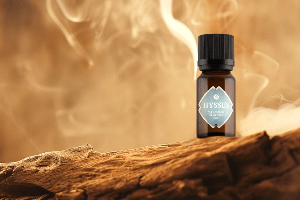
Your home is more than a collection of rooms. It is where you rest, work, entertain and create everyday memories. While colours, lighting and furnishings influence how a space looks and feels, scent adds another sensory dimension to the home.
Essential oils can be used to create different aromatic experiences, from the soft floral character of lavender to the brightness of lemon and the warmth of cedarwood. However, choosing the right essential oil is not simply about selecting the most popular option. Your choice should reflect your personal scent preferences, the purpose of the room, the size of the space and the diffusion method you use.
“Home scent isn’t just fragrance, it’s an experience. The right aroma can elevate moods, energize spaces, and support overall wellbeing.” — Cheryl Gan, Founder and Managing Director, HYSSES
Here is how to find the right essential oil for your home.
1. Start With the Atmosphere You Want
Before choosing an essential oil, think about how you want the room to feel.
-
For a Soft and Relaxing Atmosphere
Lavender is a popular choice for bedrooms and evening routines because of its gentle floral-herbal aroma.
Lavender aromatherapy has also been investigated in scientific research. According to Yoo, O., & Park, S.-A. (2023), a systematic review published in Healthcare examined 11 studies involving 972 participants. The review found that most of the included studies reported reduced anxiety following lavender inhalation.
Research has also explored the potential effects of aromatherapy on sleep quality. A 2019 systematic review and meta-analysis by Lin, P.-C., et al.(2019), published in Complementary Therapies in Medicine, analysed 31 trials and found that aromatherapy was associated with improved sleep quality.
These findings help explain why lavender is commonly incorporated into relaxation-oriented aromatherapy routines, but they should not be interpreted as evidence that essential oils treat anxiety or sleep disorders.
-
For a Bright and Fresh Atmosphere
If you prefer lively aromas, consider citrus oils such as bergamot, grapefruit, lemon, mandarin and orange.
HYSSES also offers lemongrass, which combines a fresh citrus character with a distinctive herbal note.
Explore the HYSSES Essential Oils Collection to discover single-note essential oils and aromatic blends.
-
For a Fresh Herbal Atmosphere
For a crisp, herbal character, consider eucalyptus, peppermint, rosemary or tea tree.
Peppermint offers a cool, fresh aroma, eucalyptus has a distinctive camphoraceous character, while rosemary provides a green herbal note.
-
For Warmth and Depth
If you prefer richer aromas, explore cedarwood, sandalwood and frankincense.
These woody and balsamic scents can add warmth and depth to living rooms, reading corners and other areas where you want a more enveloping aromatic experience.
2. Match the Essential Oil to the Room
Different rooms can suit different aromatic profiles. There are no strict rules, so let your personal preference guide you.
-
Bedroom
Choose aromas that you find pleasant and unobtrusive.
Lavender is a natural starting point if you enjoy floral scents, while cedarwood or sandalwood can provide a warmer character.
For more ideas, explore HYSSES' guide to Scents for Every Space – Aroma for Each Room.
-
Living Room
The living room is often a shared space, so versatile scents work well.
Try bergamot, geranium or cedarwood depending on whether you prefer citrus, floral or woody aromas.
You can also explore ready-to-use home fragrance options in the HYSSES Home Scent Collection.
-
Bathroom
Fresh aromas such as eucalyptus, peppermint, lemongrass and tea tree can suit bathrooms.
Since smaller rooms can concentrate fragrance quickly, start gently and follow the recommended instructions for your diffuser.
-
Kitchen
Bright citrus and herbal aromas can complement kitchen spaces.
Consider lemon, orange or lemongrass if you prefer a fresh aromatic profile.
For a ready-made option, explore HYSSES Lemongrass Home Scent.
-
Home Office
For a workspace, you may prefer fresh and lively aromas such as rosemary, peppermint, bergamot or lemon.
Rather than assuming that a particular oil will automatically improve concentration or productivity, choose an aroma that makes your workspace feel comfortable and purposeful.
3. Understand Essential-Oil Scent Families
Understanding scent families can make it easier to select and combine oils.
Citrus: Bergamot, grapefruit, lemon, mandarin and orange
Bright, fresh and lively.
Floral: Lavender and geranium
Soft and expressive.
Woody: Cedarwood and sandalwood
Warm and rich.
Balsamic: Frankincense
Deep and aromatic.
Fresh and herbal: Eucalyptus, peppermint, rosemary and tea tree
Crisp, green or camphorous.
You can experiment with complementary combinations. For example, citrus and floral notes can create a bright, balanced profile, while floral and woody aromas can add warmth.
Start with two oils rather than mixing many scents at once. This makes it easier to identify what you genuinely enjoy.
4. Consider the Size of Your Space
Room size and ventilation can influence how noticeable a fragrance becomes.
A scent that feels subtle in a large living room may be much stronger in a small bedroom or bathroom. In an open-plan home, aromas can also travel between connected areas.
Remember that stronger does not necessarily mean better.
Use the recommended amount and duration for your specific diffuser and adjust the intensity according to the size of your room and your comfort.
5. Choose the Right Diffusion Method
The essential oil is only one part of the experience. The diffusion method also matters.
-
Ultrasonic Diffusers
Ultrasonic diffusers use water and ultrasonic technology to disperse a fine mist containing essential oil.
If this suits your routine, explore the HYSSES Ultrasonic Mist Diffusers.
-
Nebulisers
Nebulisers use a different diffusion method and generally operate without water.
HYSSES offers a range of Diffusing Devices, including nebulisers.
However, not every oil is suitable for every nebuliser. Oil viscosity and device design can affect performance, so always check the manufacturer's instructions before use.
For additional guidance, read HYSSES' A Step-by-Step Guide on How to Use a Nebuliser Correctly.
-
Reed Diffusers
If you prefer continuous, flame-free fragrance without operating an electrical device, reed diffusers are another option.
Explore the HYSSES Reed Diffusers Collection for ready-to-use home fragrance options.
6. Look Beyond How the Oil Smells
When selecting an essential oil, consider more than fragrance.
Look for clear information about:
-
Ingredients
-
Botanical identity where available
-
Country of origin
-
Recommended applications
-
Diffusion compatibility
-
Storage and safety guidance
HYSSES provides product information across its essential-oil and home-scent ranges. Its Essential Oils Collection allows you to explore different single-note and blended aromatic options.
Proper storage is important too. Keep essential oils tightly closed and away from excessive heat and direct sunlight.
For more information, read HYSSES' guide to Buying and Storing Essential Oils.
7. Keep Essential-Oil Safety in Mind
Essential oils are highly concentrated plant extracts, so natural does not automatically mean risk-free.
When using essential oils at home:
-
Follow the manufacturer's instructions.
-
Use oils compatible with your diffuser.
-
Do not ingest essential oils unless specifically formulated and labelled for that purpose.
-
Keep concentrated oils away from children and pets.
-
Avoid excessive or prolonged diffusion.
-
Maintain appropriate ventilation.
-
Stop use if you experience an unwanted reaction.
-
Seek professional advice if you are pregnant, have a health condition or are uncertain about suitability.
8. Start With a Small Essential-Oil Collection
You do not need dozens of bottles to create variety throughout your home.
A simple starting collection could include:
-
Lavender – soft and floral
-
Bergamot or lemon – bright and citrusy
-
Peppermint or eucalyptus – fresh and herbal
-
Cedarwood or frankincense – warm and deep
Once you understand your preferences, you can explore more scents or ready-made combinations through the HYSSES Blended Essential Oils Collection.
Essential Oils for Every Room
|
Room |
Scent Direction |
|
Bedroom |
Soft and floral |
|
Living room |
Balanced and welcoming |
|
Bathroom |
Fresh and crisp |
|
Kitchen |
Bright and citrusy |
|
Home office |
Fresh and lively |
|
Reading corner |
Warm and deep |
Choosing the right essential oil for your home comes down to four things: scent, space, personal preference and responsible use.
Start by deciding how you want each room to feel. Then consider the scent families you naturally enjoy, the size of your space and the diffusion method that fits your lifestyle.
You might choose lavender for an evening ritual, lemon or lemongrass for a bright kitchen, or cedarwood for a warm reading corner.
There is no single “best” essential oil for every home. The right one is the aroma that fits naturally into your space and your everyday routine.
Explore the HYSSES Essential Oils Collection or discover the wider HYSSES Home Scent Collection to create a personalised aromatic experience throughout your home.
Frequently Asked Questions
What is the best essential oil for a bedroom?
Lavender is a popular choice because of its soft floral-herbal aroma. Research has investigated lavender inhalation in relation to anxiety and sleep, although essential oils should not be presented as medical treatments.
Which essential oils are good for a fresh-smelling home?
Lemon, lemongrass, bergamot, grapefruit, peppermint and eucalyptus are options to consider. Your ideal choice depends on the scent profile you prefer.
Can I use any essential oil in any diffuser?
No. Different diffuser technologies have different requirements. Always check the manufacturer's instructions before using an oil.
Can I mix essential oils?
Yes, provided the oils are suitable for the intended application and diffuser. Start with two complementary oils before experimenting with more complex combinations.
How should I store essential oils?
Keep bottles tightly closed in a cool, dry location away from direct sunlight and excessive heat.
Are essential oils safe to diffuse?
Essential oils should be diffused responsibly according to the manufacturer's instructions. Consider room size, ventilation, diffusion duration and the needs of children and pets sharing the space.
Disclaimer
This article is for educational purposes only and does not provide medical advice. Essential oils are concentrated substances and should be used according to manufacturer instructions. Consult an appropriately qualified healthcare professional if you have concerns about using essential oils.

Share:
What Are the Best Essential Oils for Everyday Aromatherapy?
Rosemary Oil for Hair: Benefits, Uses, and the Right Way to Apply It