

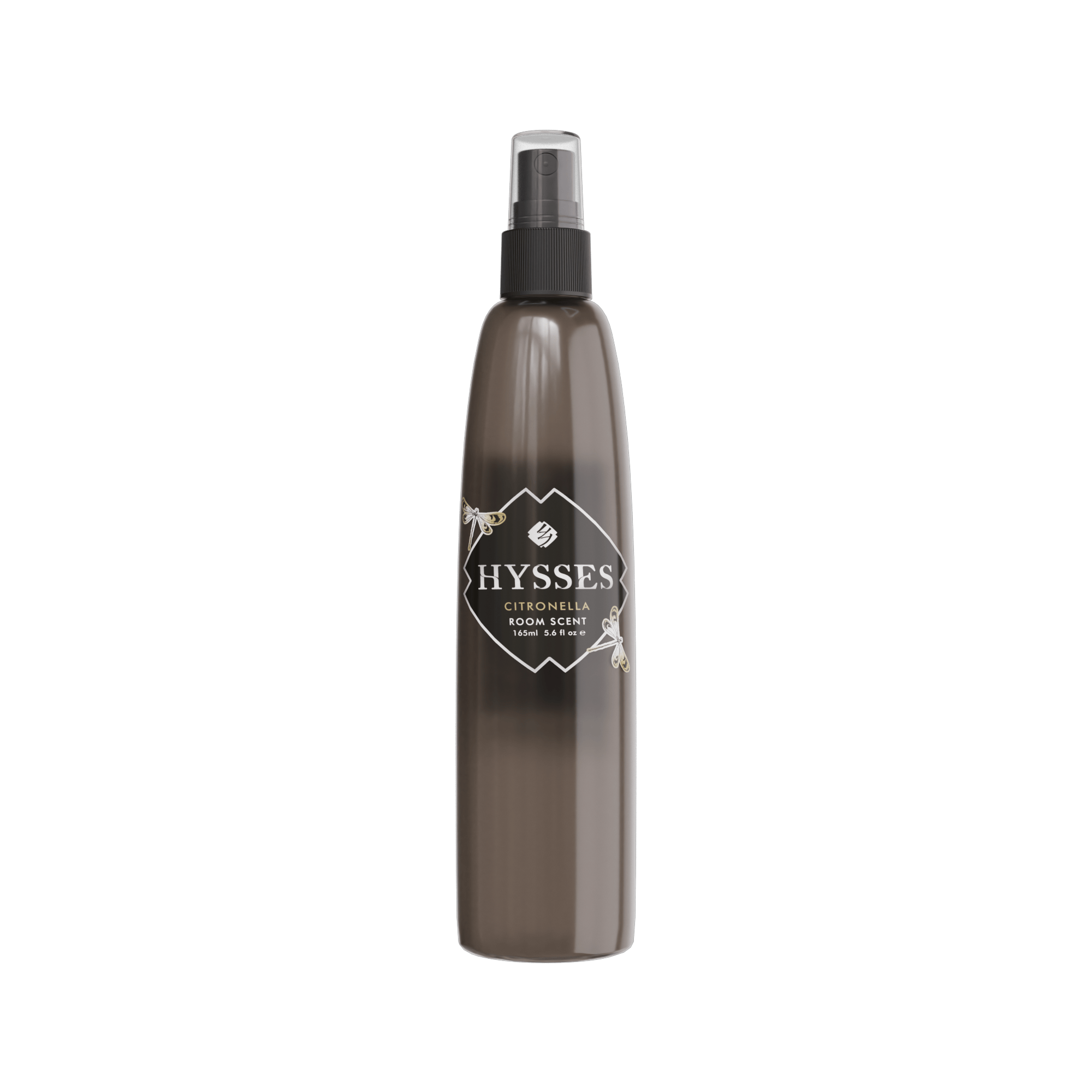
A thoughtfully curated home scent does more than perfume the air, it shapes emotional comfort, enhances wellbeing, and creates a lasting sensory identity.
From the moment someone enters your home, scent communicates warmth, cleanliness, and personality. Soft florals can soothe the nervous system, while citrus notes energise the atmosphere and uplift mood.
According to Nasiri, A., & Fahimzade, L. (2017), research on olfactory neuroscience, scent signals travel directly to the limbic system, the brain region responsible for emotion and memory - influencing mood and physiological responses.
“Scent is one of the most immediate ways to transform emotional atmosphere and support wellbeing,”
— Cheryl Gan, Founder & Managing Director, HYSSES
Choosing the right home scent is not about masking odours; it is about elevating the sensory experience of living well.
Explore the Hysses Essential Oils Collection to begin building your scent ritual.
How Home Scent Shapes Different Spaces
Every room serves a different function, and scent helps reinforce its purpose.
-
Living areas benefit from welcoming, mood-enhancing aromas.
-
Bedrooms should promote rest and nervous system relaxation.
-
Kitchens require freshness that neutralises odours.
-
Bathrooms feel luxurious with spa-like cleanliness scents.
-
Workspaces thrive with focus-enhancing aromas.
According to Cho, E. H. et al. (2017), aromatherapy research shows inhaled essential oil molecules can influence physiological responses such as heart rate, stress levels, and sleep quality.
Airflow, humidity, and room usage also influence scent performance. High-traffic areas may require continuous diffusion, while smaller spaces benefit from subtle fragrance delivery.
Factors to Consider When Selecting a Home Scent
Room Size & Ventilation
Large rooms benefit from consistent diffusion using a Diffusers Collection, while smaller rooms require lighter dispersion.
Temperature & Natural Light
Warm environments intensify scent diffusion. Cooler rooms may need richer notes like sandalwood or frankincense.
Household Lifestyle Needs
Homes with children, pets, or fragrance sensitivities benefit from gentle, natural botanicals such as lavender, citrus, or chamomile-like floral profiles.
Best Home Scent Choices for Every Room
Living Room: Welcoming & Uplifting
Create a warm, inviting environment with:
-
Bergamot – bright, citrusy freshness
-
Orange – cheerful sweetness
-
Ylang Ylang – soft floral warmth
-
Sandalwood – grounding depth
These notes encourage social comfort and emotional warmth.
Tip: Reed diffusers provide gentle, continuous scenting.
Bedroom: Calm & Restful
Bedrooms should encourage relaxation and restorative sleep.
-
Lavender – calming and sleep-supportive
-
Rose – emotional comfort
-
Frankincense – grounding tranquility
-
Spike Lavender – herbaceous relaxation
Diffuse Lavender Essential Oil before bedtime to support relaxation.
Kitchen: Fresh & Clean
Neutralise cooking odours while maintaining freshness:
-
Lemon – bright cleanliness
-
Grapefruit – uplifting freshness
-
Rosemary – herbal clarity
-
Lemongrass – crisp purification
These aromas create a clean sensory environment without competing with food.
Bathroom: Crisp & Spa-Like
Transform your bathroom into a spa sanctuary:
-
Eucalyptus – refreshing purification
-
Tea Tree – cleansing clarity
-
Peppermint – invigorating freshness
-
Geranium – soft floral balance
These oils enhance the perception of cleanliness and freshness.
Home Office: Focus & Mental Clarity
Support productivity and mental focus with:
-
Lemon – cognitive alertness
-
Peppermint – mental stimulation
-
Rosemary – memory & clarity support
-
Cedarwood – grounding concentration
“Citrus and herbal oils help sharpen mental clarity while keeping stress levels balanced,”
— Cheryl Gan
Layering Scents for a Harmonious Home Flow
A cohesive scent journey creates comfort and continuity.
Tips for seamless scent layering:
-
Pair citrus kitchen notes with floral living areas
-
Use calming florals transitioning into bedroom spaces
-
Blend woody base notes for grounding continuity
-
Avoid competing dominant fragrances
Diffusers create consistent background aroma, while occasional candles or sprays add depth.
Learn diffuser care using Nebuliser Cleaning Solution .
Common Home Scent Mistakes to Avoid
Overpowering fragrance
Too much scent can overwhelm and cause sensory fatigue.
Artificial or harsh fragrances
Natural botanical aromas provide a softer, more balanced experience.
Static scent use
Rotating aromas prevents olfactory fatigue and keeps spaces feeling fresh.
Seasonal Home Scent Inspiration
Align your home scent with nature’s rhythm:
Spring: Geranium, Lavender, Rose
Summer: Lemon, Grapefruit, Lemongrass
Autumn: Sandalwood, Frankincense, Cedarwood
Winter: Pine, Orange, Frankincense
Seasonal rotation keeps your environment refreshing and emotionally engaging.
Creating Your Signature Home Scent
A signature scent gives your home a memorable identity.
Step 1: Choose a base family (floral, woody, citrus, herbal)
Step 2: Add complementary layers
Step 3: Maintain consistency throughout the home
Consistency creates emotional familiarity and comfort for both residents and guests.
Making Home Scent Part of Daily Living
Scent is a powerful yet simple way to enhance daily wellbeing.
With thoughtful selection and diffusion:
-
Mood improves
-
Relaxation deepens
-
Spaces feel cleaner and more inviting
-
Guests feel welcomed and comfortable
When scent supports each room’s purpose, your home feels balanced, harmonious, and complete.
Choosing the perfect home scent is both an art and a wellness practice. By aligning fragrance with each room’s purpose, you create a sensory environment that supports relaxation, focus, and emotional comfort.
Whether you prefer calming lavender for restful nights, citrus freshness for energising mornings, or grounding woods for cozy evenings, scent transforms everyday living into a mindful ritual.
Discover your signature scent through Hysses’ Home & Scent collections and bring harmony into every space.
Frequently Asked Questions (FAQs)
1. How often should I diffuse essential oils at home?
Diffuse for 30–60 minutes at a time to prevent sensory fatigue while maintaining therapeutic benefits.
2. Which essential oil is best for sleep?
Lavender is widely studied for improving sleep quality and relaxation.
3. Can home scents improve mood?
Yes. Aromatic molecules influence the limbic system, which regulates emotions and stress responses.
4. How do I prevent scent from becoming overpowering?
Use fewer diffuser drops and ensure proper ventilation.
5. Are natural essential oils better than synthetic fragrances?
Natural essential oils provide more nuanced aromas and may support emotional wellbeing when used appropriately.
Disclaimer
This guide is intended for educational and informational purposes only and is not a substitute for medical advice, diagnosis, or treatment. Always consult a qualified healthcare professional before using essential oils if you are pregnant, nursing, have medical conditions, or are taking medications.

Share:
Home Scent Secrets: How Aromatherapy Shapes Mood and Energy
Top Mistakes to Avoid When Choosing a Home Scent