

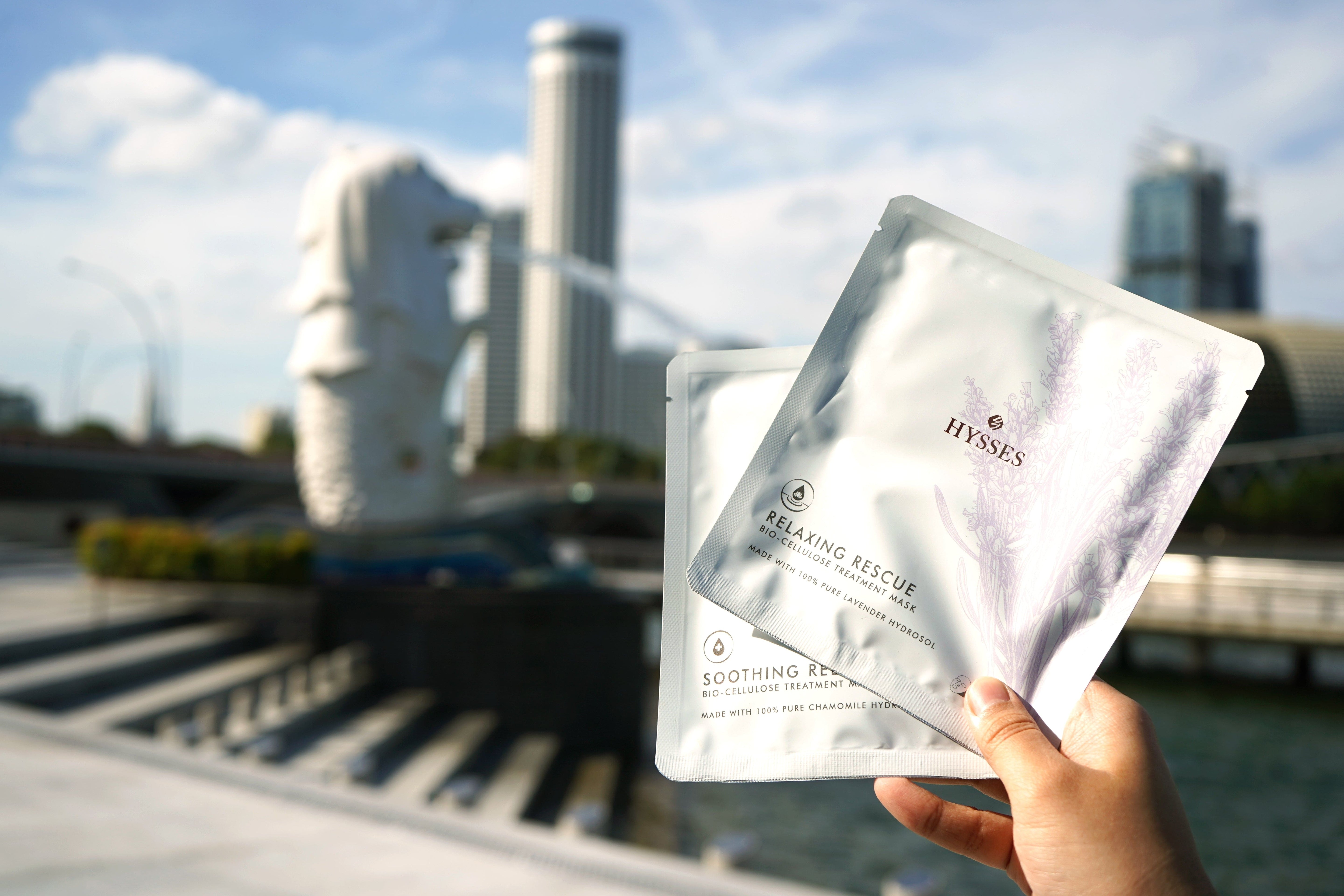
In modern skincare, face masks have evolved beyond simple beauty trends into intentional wellness rituals that support both skin health and emotional wellbeing. Whether you are dealing with dryness from air-conditioned environments, congestion caused by urban pollution, or dullness from stress and fatigue, the right face mask can help restore comfort and radiance to the skin.
But one of the most common skincare questions remains:
How often should you actually use a face mask for glowing skin?
The answer depends on several factors, including your skin type, lifestyle, environment, and the ingredients within your mask. Used correctly, face masks can deeply nourish the skin without overwhelming its natural protective barrier.
At HYSSES, botanical skincare is thoughtfully formulated with aromatherapy principles, combining plant-based ingredients and pure essential oils to create sensory skincare experiences that nurture both skin and senses.
If exploring holistic skincare routines, these related HYSSES articles provide additional guidance:
-
What Type of Essential Oils Should I Use on My Skin and Why?
-
Can Essential Oils Cause Irritation? Will They Work If I Have Sensitive Skin?
What Does a Face Mask Really Do for Your Skin?
Unlike cleansers or moisturisers designed for daily maintenance, face masks provide concentrated care that targets specific skin concerns more intensively.
Different face mask types offer different benefits:
-
Clay masks help absorb excess oil and clear congested pores
-
Hydrating masks replenish moisture and soften dry skin
-
Gel masks calm overheated or stressed skin
-
Sheet masks provide quick hydration boosts
-
Essential oil face masks combine skincare with aromatherapy benefits
Consistent and balanced masking may help improve:
-
Skin hydration
-
Skin texture
-
Brightness and glow
-
Oil balance
-
Skin comfort
A study according to Field, T., et al.(2005), found that lavender aromatherapy demonstrated measurable relaxation and mood-supporting effects, reinforcing the connection between sensory wellness and self-care rituals.
How Often Should You Use a Face Mask?
There is no one-size-fits-all routine because every skin type behaves differently.
However, skincare professionals generally recommend moderation and consistency rather than excessive daily masking.
Recommended Face Mask Frequency
|
Mask Type |
Suggested Usage |
|
Clay or detox masks |
1–2 times weekly |
|
Hydrating masks |
2–3 times weekly |
|
Soothing gel masks |
2–3 times weekly |
|
Sheet masks |
As needed |
|
Overnight masks |
1–2 times weekly |
Overusing intensive masks may weaken the skin barrier, potentially leading to dryness, irritation, or increased sensitivity.
“Healthy skincare routines should support the skin’s natural balance rather than overload it with aggressive treatments.”
— Cheryl Gan
Choosing the Right Face Mask for Your Skin Type
Oily or Congested Skin
Oily skin often benefits from purifying masks that help minimise congestion and remove excess sebum.
Botanical ingredients commonly associated with balancing skincare rituals include:
-
Tea Tree Essential Oil
-
Rosemary Essential Oil
-
Lemon Essential Oil
Explore:
Tea Tree essential oil is widely recognised in aromatherapy skincare for its purifying aromatic properties when professionally formulated.
Dry or Dehydrated Skin
Dry skin generally responds best to hydrating and nourishing face masks that support moisture retention.
Comforting botanical essential oils often incorporated into self-care rituals include:
-
Lavender Essential Oil
-
Frankincense Essential Oil
-
Sandalwood Essential Oil
Explore:
A clinical study according to Duan, X., et al.(2007), observed that lavender aromatic exposure may positively influence autonomic nervous system relaxation responses.
For additional skincare wellness insights, read about:
Sensitive Skin
Sensitive skin requires gentle formulations and carefully balanced ingredient concentrations.
At HYSSES, skincare products are formulated with botanical ingredients and aromatherapy principles to support skin comfort while delivering calming sensory experiences.
Readers concerned about sensitivity may find this helpful:
According to Robert Tisserand, essential oils should always be properly diluted and professionally formulated for topical skincare applications.
Additional guidance from Harvard Health Publishing also highlights the importance of protecting the skin barrier through gentle skincare practices.
Why Aromatherapy Enhances the Face Mask Experience
Face masking is not only about visible skincare results, it is also an opportunity to slow down mentally and emotionally.
Aromatherapy transforms skincare into a calming ritual that supports emotional relaxation alongside skin nourishment.
Essential oils commonly incorporated into botanical wellness routines include:
Lavender Essential Oil
Soft floral aroma that promotes calmness and relaxation.
Geranium Essential Oil
Fresh floral profile associated with balancing and comforting skincare rituals.
Ylang Ylang Essential Oil
Rich floral aroma commonly used in luxurious self-care experiences.
Peppermint Essential Oil
Refreshing and cooling scent that revitalises the senses.
Explore:
According to Sazawa, K.,et al. (2022), lavender aromatherapy may positively support emotional wellness and relaxation responses.
How to Use a Face Mask Correctly
Proper application helps maximize the benefits of your face mask while protecting your skin barrier.
Step-by-Step Face Mask Ritual
1. Cleanse Thoroughly
Remove makeup, dirt, and impurities before masking.
2. Apply Evenly
Spread the mask evenly while avoiding the eye area.
3. Create a Relaxing Environment
Enhance the sensory experience using calming aromatherapy.
You may pair your masking ritual with, Nebuliser Cleaning Solution
4. Rinse Gently
Use lukewarm water and avoid aggressive scrubbing.
5. Follow With Hydration
Apply toner, serum, and moisturiser afterward.
Complete your wellness ritual with:
Why HYSSES Botanical Skincare Stands Out
HYSSES combines botanical science, aromatherapy expertise, and refined sensory wellness into thoughtfully designed skincare rituals.
What Makes HYSSES Different?
-
Pure essential oils
-
Botanical-based skincare formulations
-
Gentle aromatherapy integration
-
Free from harsh synthetic fragrances
-
Wellness-focused skincare philosophy
“Aromatherapy is more than fragrance - it is the intentional use of botanicals to support wellbeing through both skin and sensory experiences.”
— Cheryl Gan
Continue exploring related wellness education:
Face masking should never feel excessive or complicated. The most effective skincare rituals are often rooted in balance, consistency, and high-quality botanical ingredients.
Whether your goal is hydration, purification, calming care, or restoring radiance after long days, the right face mask routine can help support healthier-looking skin naturally.
Transform your skincare routine into a calming botanical ritual with HYSSES. Explore nourishing face masks, pure essential oils, and aromatherapy skincare designed to help your skin glow naturally - while restoring balance to your senses. Your healthiest, most radiant skin begins with mindful self-care.
Frequently Asked Questions (FAQs)
1. Can I use a face mask every day?
Most face masks are not intended for daily use. Hydrating masks may be used more frequently, while detoxifying masks are typically recommended only once or twice weekly.
2. Which essential oils are commonly used in botanical skincare?
Lavender, Tea Tree, Frankincense, Geranium, Ylang Ylang, and Sandalwood essential oils are frequently incorporated into aromatherapy skincare formulations.
3. Can essential oils irritate sensitive skin?
Improperly diluted essential oils may contribute to irritation. Professionally formulated products and patch testing are recommended before use.
4. How does aromatherapy support skincare rituals?
Aromatherapy may help encourage emotional relaxation and mindfulness, transforming skincare into a calming self-care experience.
5. Should I moisturise after using a face mask?
Yes. Moisturising after masking helps support hydration retention and reinforces the skin barrier.
Disclaimer
This guide is intended for educational and informational purposes only and should not be considered medical advice. Individual skin sensitivities and skincare responses may vary. Always patch test new products before use and consult a qualified healthcare professional or dermatologist for persistent skin concerns.
References

Share:
International Day of Friendship: Share the Gift of Healthy Skin with HYBiome
Beauty Insider Best Skin Repair Cream Singapore 2026: Why HYBiome Was Chosen