

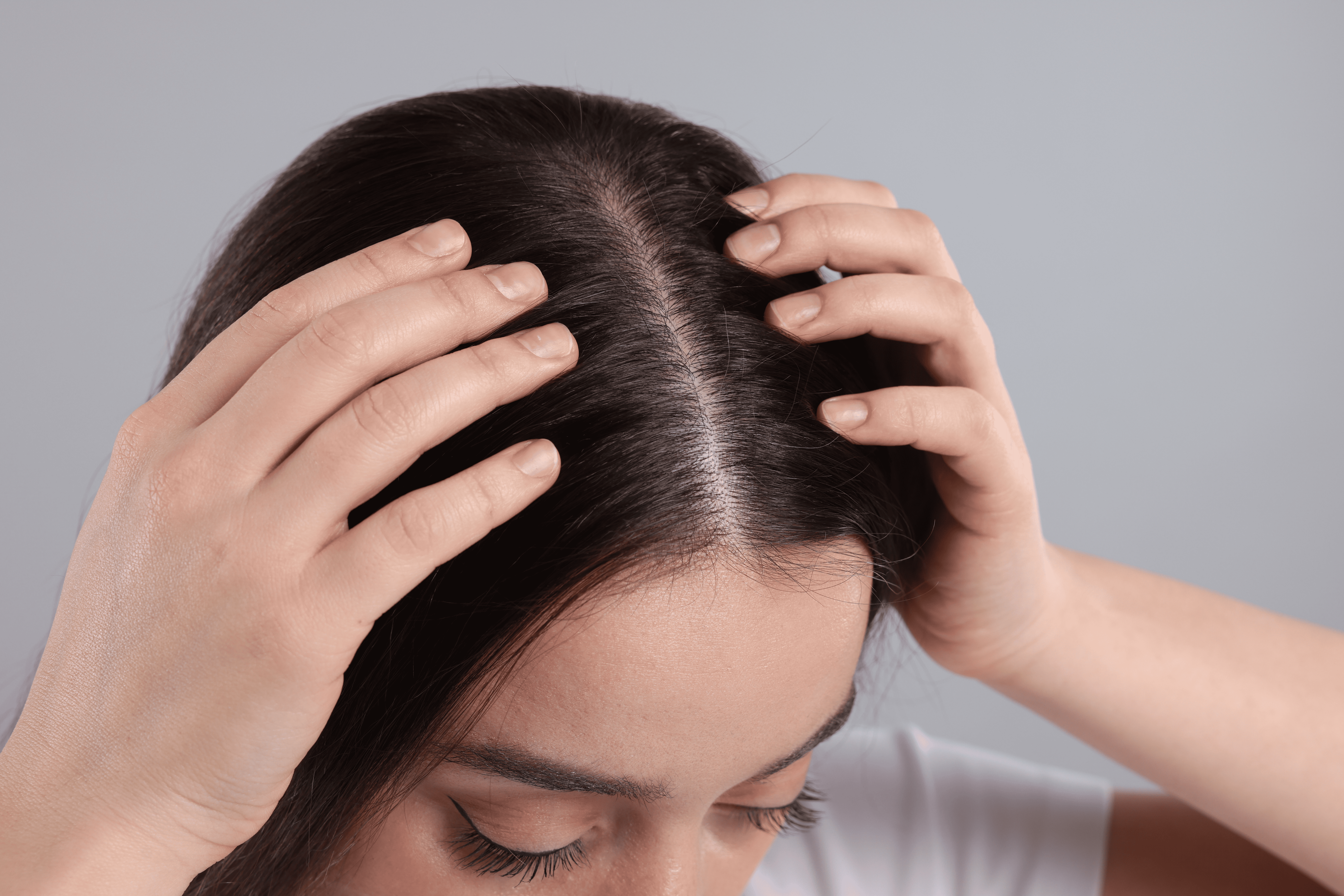
Dry hair is more than a surface problem, it often signals an imbalance in scalp hydration and barrier health. Environmental stress, over‑styling, chemical treatments, and inadequate moisture levels can leave hair lifeless, straw‑like, or brittle.
At HYSSES, our approach blends aromatherapy science with natural performance. According to Cheryl Gan, Founder & Managing Director, restoring scalp balance with pure botanicals is foundational:
“A quality hair mask does more than condition, it supports scalp health, improves moisture levels, and enhances overall hair resilience.”
In this guide, you’ll learn how to make and apply effective DIY hair masks using Hysses essential oils and botanicals for dryness, with safe dilution and professional aromatherapy guidance.
Why Choose a DIY Hair Mask for Dry Hair?
Many commercial hair masks focus on surface conditioning but lack depth and botanical efficacy. A good DIY mask:
-
Delivers deep hydration and nutrients
-
Supports scalp microflora and balance
-
Helps strengthen strands and reduce breakage
-
Enhances shine and manageability over time
Botanicals and essential oils have both functional and sensory benefits - improving moisture levels while creating a calming or uplifting ritual.
Aromatherapy‑Approved Essential Oils for Dry Hair
Below are Hysses essential oils that support hydration, scalp balance, and strand vitality:
-
Lavender Essential Oil
Calms irritated scalps and supports balanced moisture. Lavender oil may improve circulation and calm inflammation when properly diluted.
-
Rosemary Essential Oil
Promotes scalp circulation and supports stronger hair growth. According to Panahi, Y. et al. (2015), show rosemary oil’s potential comparable to 2% minoxidil in encouraging hair growth when used consistently.
-
Ylang Ylang Essential Oil
Enhances shine and softness with a luxurious floral profile. May also help balance sebum production, supporting overall scalp hydration.
Hydrating Botanical Carriers and Boosters
Essential oils are highly concentrated and must be blended with botanicals to ensure safety and efficacy:
-
Aloe vera gel — deeply soothing and hydrating
-
Coconut milk or oil — rich in fatty acids that penetrate the hair shaft
-
Honey — a natural humectant that attracts and locks in moisture
These botanicals not only moisturise but help distribute essential oils evenly for maximum benefit.
Expert‑Formulated DIY Hair Mask Recipes
Below blends are structured with safe dilution, targeted results, and sensory descriptions.
1. Calming Lavender & Aloe Deep Hydration Mask
Best for: Scalp irritation + dry hair
Ingredients:
-
2 tbsp aloe vera gel
-
3 drops Lavender Essential Oil
Sensory: Soft floral calm that cools dryness
How to use: Apply evenly to slightly damp hair. Leave on for 20–30 minutes. Rinse with lukewarm water.
✔ Helps calm irritation
✔ Supports circulation to the scalp
✔ Enhances hydration
2. Rosemary & Coconut Milk Strengthen + Nourish Mask
Best for: Dry hair needing strength and vitality
Ingredients:
-
½ cup coconut milk
-
3 drops Rosemary Essential Oil
Sensory: Crisp herbal freshness with rich creaminess
How to use: Massage blend into hair and leave for 30 minutes. Rinse thoroughly.
✔ Deeply conditions
✔ Boosts scalp circulation
✔ Supports resilient hair growth
3. Ylang Ylang Shine + Smooth Mask
Best for: Enhancing radiance and softness
Ingredients:
-
2 tbsp coconut oil
-
2 drops Ylang Ylang Essential Oil
-
1 tbsp honey
Sensory: Exotic floral sweetness with silk‑like texture
How to use: Apply from mid‑lengths to ends. Leave 25–30 minutes. Rinse.
✔ Adds luminous shine
✔ Softens coarse strands
✔ Supports balanced scalp oils
Discover more about Ylang Ylang’s calming floral profile in our Essential Oil 101 piece.
How to Apply DIY Hair Masks Like a Pro
For best absorption and even coverage:
-
Start with slightly damp hair.
-
Section hair to ensure full mask contact.
-
Massage gently in circular motions - increases circulation and helps essential oils penetrate.
-
Leave in place for 20–30 minutes - timing is key. According to our Hysses hair mask duration guide, leaving a mask on long enough ensures botanicals have time to work without overwhelming fine hair.
-
Rinse with lukewarm water. Follow with a gentle sulphate‑free shampoo if needed.
For a complete routine, follow with conditioning from our hair care insights like the DIY Hair Routine with Hysses Shampoo post. DIY Hair Routine With Hysses Shampoo and Essential Oils
Common Mistakes to Avoid
-
Applying essential oils undiluted
-
Leaving heavy masks overnight for fine hair
-
Using too much agent — 2–3 drops is sufficient
-
Applying masks daily — 1–2 times weekly is optimal
Consistency and correct dilution are essential for results - always patch test first.
Dry hair doesn’t have to be a daily struggle. Hysses’ expert‑aligned DIY hair masks turn simple botanicals and pure essential oils into effective, hydrating rituals.
Explore the Essential Oils Collection and related hair wellness resources to grow your hair care library. For deeper hydrating solutions, complement these masks with products like the Lavender‑Chamomile Hair Mask or the Lavender‑Hinoki Hair Mask from our official Hair category.
Your hair deserves balance, nourishment, and a touch of aromatherapy brilliance - step into the ritual.
Frequently Asked Questions (FAQs)
1. How often should I use a DIY hair mask?
Use once or twice weekly - excessive masking can lead to buildup.
2. Are essential oils safe to use on hair?
Yes, when properly diluted with carriers such as aloe or coconut oil.
3. Can rosemary oil actually help hair strength?
Research has found rosemary essential oil to show promising results similar to 2% minoxidil for scalp circulation and hair growth support.
4. Should DIY masks replace conditioner?
Use masks as deep treatments; conditioner is still recommended for daily maintenance.
5. Can I mask before shampooing?
Yes, applying masks before washing helps oils penetrate deeply.
Disclaimer
This guide is intended for educational and informational purposes only. It is not medical advice. Always patch test before new applications and consult a professional for scalp or dermatological concerns.

Share:
Home Remedies for Hair Growth: Essential Oil Blends You Can Try
Home Remedies for Thinning Hair with Essential Oils