

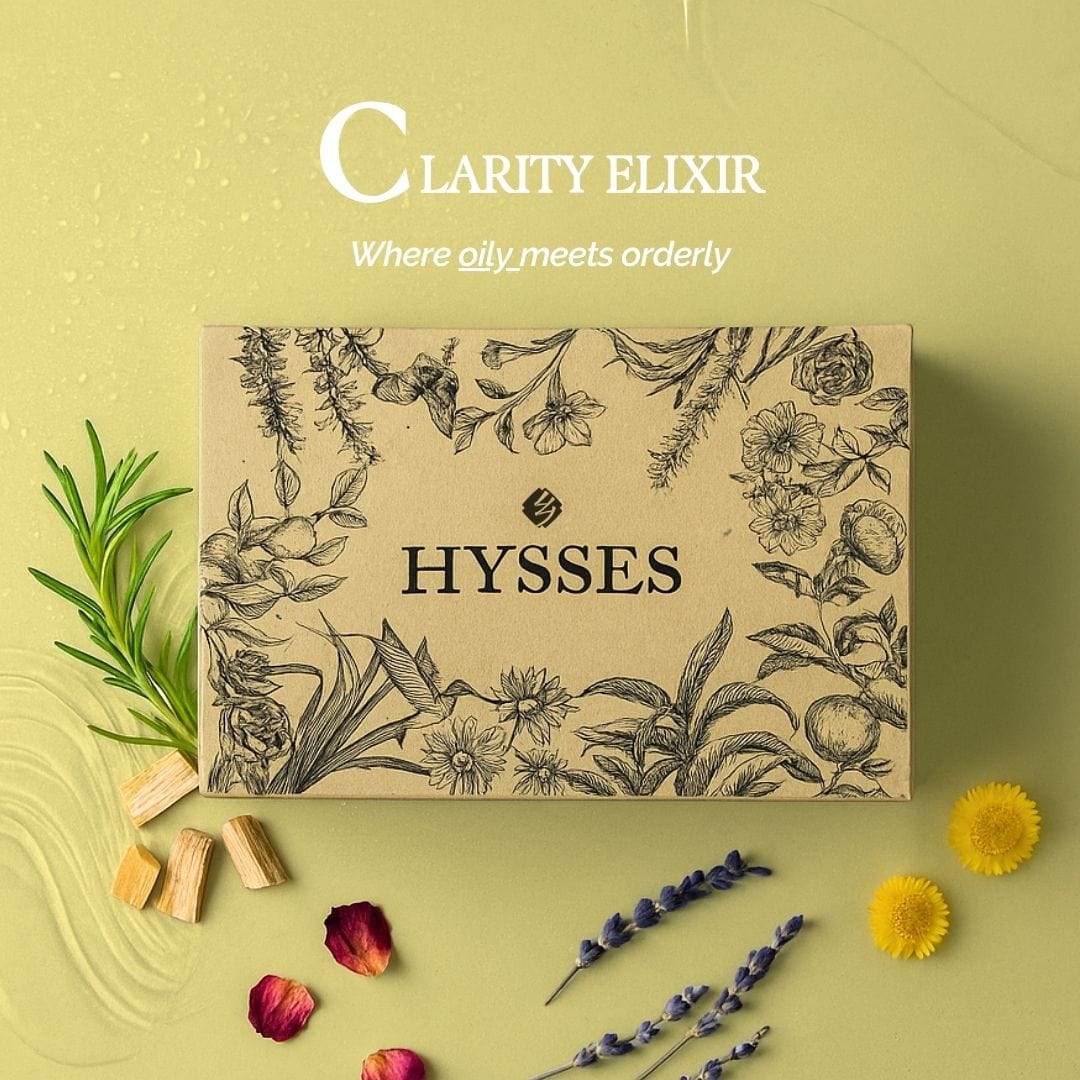
Every home has a smell, and most of us only notice it when something changes. A week of rain, a few days of closed windows or a long stretch indoors can leave a room smelling stale, however clean it is. That is why essential oils for home use have become a quiet part of many Singapore routines. This guide compares four popular blends, explains how each one smells and where it suits, and helps you choose between a diffuser, a nebuliser and a room spray. For more aromatherapy ideas, browse the HYSSES Discovery Blog.
Why Everyone's Thinking About Their Home Scent
During the 2026 haze season
The 2026 haze season has kept more people indoors than usual, with windows closed and more hours spent in the same rooms. When a home is shut up for days, its smell tends to stand out. For the full picture of the haze situation, and for NEA's advice on air quality and health, read our guide, Singapore Haze: How to Keep Your Home Feeling Fresh. This article focuses on the scent side only.
On any clear day
You do not need a haze warning to want a fresher-smelling home. Humid weeks, rainy spells, air-conditioned rooms and cooking smells can all leave a space smelling flat. A thoughtful blend gives a room a clean, pleasant signature again.
Essential Oils for Home: The Basics
What is a blend?
An essential oil is a concentrated aromatic extract from a single plant, such as the leaves of eucalyptus or the peel of lemon. A blend combines two or more oils so their aromas work together. Essential oils are commonly used in aromatherapy, but “natural” does not automatically mean risk-free. The U.S. National Center for Complementary and Integrative Health (NCCIH) notes that essential oils can cause side effects in some circumstances, particularly with inappropriate use or skin exposure. For general background on aromatherapy and its safety considerations, see NCCIH's Aromatherapy information.
How oils are used at home
There are three common ways to scent a room:
-
A diffuser (such as an ultrasonic water mist device) mixes oil with water and releases a light mist.
-
A nebuliser breaks pure essential oil into fine droplets with no water, for a more concentrated scent.
-
A room spray is a ready-to-use scent in a bottle, with no device required.
We compare the three in detail later in this guide.
How to read an essential oil label
A good label tells you what is inside. Look for these details before you buy:
-
The plant name. It should say what the oil comes from, such as eucalyptus or rosemary.
-
The species. The Latin name tells you exactly which plant was used, because different species smell and behave differently.
-
The size. Essential oils are concentrated, so they are sold in small bottles.
-
The instructions. Look for how to use the oil, how much to use and any precautions.
A label that names its ingredients clearly is a good sign of a brand that stands behind its product. Ingredient information is worth checking before purchase, especially when you are comparing single oils with blends. For additional information on ingredient identification and cosmetic labelling, see the U.S. Food and Drug Administration's guidance on cosmetic ingredient names.
The Four Blends at a Glance
Here is how the four blends compare. All four oils are available in 10ml, 50ml and 100ml sizes. Of the room sprays, only the Eucalyptus Rosemary Room Scent is a true match for one of these blends. The Peppermint and Bergamot Geranium room scents are separate products with their own scent profiles, so they are not equivalents.
|
Blend |
Ingredients |
Scent profile |
Best room or mood |
Sizes and formats |
|
Eucalyptus and tea tree |
Eucalyptus, tea tree |
Crisp, clean, herbal |
Entryway, kitchen, bathroom; a clean, spa-like feel |
10ml, 50ml, 100ml essential oil |
|
Eucalyptus and rosemary |
Eucalyptus, rosemary |
Cool, green, camphor-like |
Study or home office; a clear-headed mood |
10ml, 50ml, 100ml essential oil; Eucalyptus Rosemary Room Scent spray |
|
Lemon and geranium |
Lemon, geranium |
Bright citrus with a soft floral note |
Living room, bedroom; a warm, welcoming mood |
10ml, 50ml, 100ml essential oil |
|
Ginger and peppermint |
Ginger, peppermint |
Warm spice with a cool finish |
Afternoon pick-me-up; an energising mood |
10ml, 50ml, 100ml essential oil |
Blend Deep-Dives
Eucalyptus and Tea Tree: Crisp, Clean and Herbal
Eucalyptus opens with a sharp, cool freshness, and tea tree follows with a clean, herbal depth. Together they smell like a freshly cleaned space, which is why this blend is a favourite for entryways, kitchens and bathrooms, where you want a room to feel tidy and bright. It is also a natural fit for anyone who likes a spa-like, uncluttered scent. If you are looking for tea tree oil in Singapore, this blend is a good place to start, since the tea tree is balanced by eucalyptus rather than standing alone.
You can find it on the Chakras, Throat page as a eucalyptus and tea tree essential oil blend. To explore tea tree on its own, see Tea Tree Essential Oil.
Eucalyptus and Rosemary: Cool, Green and Camphor-Like
Rosemary brings a green, slightly woody note to eucalyptus, and the pairing smells cool and camphor-like, a little like a herb garden after rain. Many people choose rosemary-led scents for spaces where they want to feel clear-headed, so this blend suits a study corner, a work-from-home desk or any room where you do your thinking. It is also the only blend in this guide with a matching room spray.
Find the eucalyptus and rosemary essential oil blend on the Remedies, Cold & Flu page. If you would rather skip the device, the Eucalyptus Rosemary Room Scent gives you the same character in a spray.
Lemon and Geranium: Bright Citrus With a Soft Floral Note
Lemon is bright, sunny and instantly uplifting. Geranium softens that brightness with a gentle, rosy floral note, so the blend feels cheerful without being sharp. It is a good match for living rooms and bedrooms, where you want a space to feel warm and welcoming rather than medicinal. If you enjoy citrus scents but find lemon on its own a little thin, geranium gives it body and staying power in the room.
Discover the lemon and geranium essential oil blend on the Chakras, Third Eye page. You can also explore Geranium Essential Oil and Lemon Essential Oil individually.
Ginger and Peppermint: Warm Spice With a Cool Finish
Ginger opens with a warm, peppery spice, and peppermint answers with a clean, cooling finish. The contrast is lively, and it is the most energising of the four blends. Many people reach for it in the afternoon, when a closed-up home starts to feel sluggish, or in a shared room where the mood needs a lift. If you like the idea of a ginger essential oil but want it balanced, peppermint keeps the spice from feeling heavy.
See the ginger and peppermint essential oil blend on the Remedies, Revitalising page. For a single-note option, there is also Peppermint Essential Oil.
Where to Find Eucalyptus Oil in Singapore
If you are searching for eucalyptus oil in Singapore, a few checks will help you choose well, whether you buy online or in a store.
-
A clear ingredient list. The label should say what is in the bottle. A pure essential oil lists the plant, while a blend lists each oil it contains.
-
The species named. Eucalyptus is a large family, and different species have different aromas. A label that names the species tells you what you are buying.
-
Label instructions. Look for clear guidance on how to use the oil and any safety notes. Brands that provide this are taking care of their customers.
At HYSSES, eucalyptus appears in two of the four blends in this guide, each with a different character. The eucalyptus and tea tree blend is crisp and clean, while the eucalyptus and rosemary blend is cool and green. You can also browse Eucalyptus Essential Oil on its own, or read our deeper guide to eucalyptus in [Article 3 URL].
Diffuser, Nebuliser or Room Spray?
The right format depends on your room, your routine and how much upkeep you want. Here is how the three compare, using the HYSSES product pages.
Ultrasonic water mist diffuser
The Ultrasonic Water Mist, Dome mixes essential oil with water and releases a fine mist. It covers rooms of roughly 50 to 400 square feet, which suits bedrooms, studies and most living areas. It can run from a power source or from its built-in rechargeable battery, and it works on a 4-hour continuous misting cycle. It shuts off automatically when the water runs too low. For upkeep, empty and rinse it after use, and follow the instructions on the product page.
Nebuliser
The Nebuliser, Hermiz uses pure essential oil with no water, which gives a fuller, more concentrated scent. It is designed for larger spaces of about 100 to 500 square feet, such as open-plan living areas. It offers up to 6 hours of misting, three adjustable modes and an automatic power-off after 6 hours. It comes with a glass funnel, glass chamber, wooden base and adapter. Because it uses undiluted oil, it benefits from regular cleaning with the Nebuliser Cleaning Solution, and the oil is sold separately.
Room spray
A room spray needs no setup at all. You simply spray it, which makes it handy for entryways, bathrooms, cushions and curtains, and for guests who arrive in ten minutes. It does not run continuously, so it suits quick refreshes more than all-day scenting. Browse the full Room Scent Sprays collection, including the Eucalyptus Rosemary Room Scent, which matches one of our four blends. The Peppermint and Bergamot Geranium room scents are different products with their own scent profiles.
A quick comparison
Format |
Setup |
Upkeep |
Best for |
|
Ultrasonic water mist (Dome) |
Add water and oil |
Rinse after use |
Bedrooms, studies, most living areas |
|
Nebuliser (Hermiz) |
Add pure oil |
Clean with cleaning solution |
Larger or open-plan spaces |
|
Room spray |
None |
None |
Quick refreshes, soft furnishings |
How to Choose and Buy
Start with the scent and the room, and choose the format afterwards. If you love the crisp, clean smell of eucalyptus and tea tree, pick that blend first. Then decide how you want to enjoy it: a device for steady scenting, or a spray for quick refreshes.
The haze freshness page brings together three offers, which work in plain terms like this:
-
A device with one oil. Buy a selected diffusing device, such as the Ultrasonic Water Mist or the Nebuliser, together with a selected essential oil, and you receive a discount on the pair.
-
Two oils for a device you already own. If you already have a diffuser or nebuliser, buy any two selected oils and mix and match to receive a discount.
-
A discounted room spray with a qualifying oil. Buy a selected essential oil and you can add a Room Scent Spray or an Antibacterial Linen Spray at a discounted price.
These offers are available on the e-store only and end on 31 October 2026. Member (ML and VIP) prices show at checkout. See the haze freshness page for the current selection.
Using Essential Oils Safely at Home
Essential oils are pleasant to use and just as easy to use responsibly. Follow these simple habits:
-
Follow the product and device instructions. Use the amount and the run time that the label and the manual recommend.
-
Ventilate the room. A light scent is better than a heavy one. If a room feels too strong, reduce the amount or the run time.
-
Take care around children, pets and pregnancy. Some oils are not suitable for young children, certain pets or pregnancy, so check the label for guidance. If you are unsure, ask a qualified healthcare professional or veterinarian before diffusing.
-
Keep oils out of reach. Store them closed and away from children and pets.
For more detailed guidance on using essential oils safely, including precautions around children, pregnancy, asthma, dilution and fresh-air exchange, see the Tisserand Institute's Essential Oil Safety Guidelines. Essential oils are highly concentrated substances, so they should always be used according to the product instructions and relevant safety guidance.
Frequently Asked Questions
What are essential oils used for at home?
At home, essential oils are mostly used to scent a space. People diffuse them in living rooms, bedrooms and studies, or add them to a nebuliser, to change how a room smells and feels. Always follow the product instructions.
Can I mix essential oils in a diffuser?
Yes, many people blend oils to create a scent they like, such as pairing a citrus with a floral. Start with small amounts and follow your device's instructions. If you want a blend that is already balanced, choose one of the four featured here.
What's the difference between an essential oil and a room spray?
An essential oil is a concentrated plant extract that you use in a diffuser or nebuliser. A room spray is a ready-to-use scent in a bottle that you spray directly, with no device needed. The oil offers continuous scenting, and the spray offers quick refreshes.
Do essential oils remove haze?
No. Essential oils change how a room smells, and they do not clean the air or remove haze or PM2.5. For air quality information and health advice, follow NEA's guidance at nea.gov.sg and haze.gov.sg.
Bringing It All Together
Choosing a home scent is easier when you take it in order. Decide on the scent first: crisp and clean, cool and green, bright and floral, or warm and energising. Think about the room next, whether that is an entryway, a study, a living room or a bedroom. Choose the format last, whether a diffuser, a nebuliser or a room spray. Whatever you choose, remember that scent changes how a home smells and feels, and it does not change the air.
Ready to try one? Shop all four blends on the haze freshness page, or read Singapore Haze: How to Keep Your Home Feeling Fresh for the full haze context and NEA advice.
Disclaimer
This article is for educational and informational purposes only and is not medical advice. HYSSES products are not intended to diagnose, treat, cure or prevent any condition, and scent products do not clean the air or remove haze. For health guidance, follow the National Environment Agency and the Ministry of Health, and consult a qualified healthcare professional with any concerns.
References
-
Tisserand Institute. How to Use Essential Oils Safely. https://tisserandinstitute.org/safety-guidelines/
-
National Center for Complementary and Integrative Health (NCCIH). Aromatherapy. https://www.nccih.nih.gov/health/aromatherapy
-
U.S. Food and Drug Administration (FDA). Cosmetic Ingredient Names. https://www.fda.gov/cosmetics/cosmetics-labeling/cosmetic-ingredient-names
-
HYSSES. HYSSES Discovery Blog. https://sg.hysses.com/blogs/hysses-discovery

Share:
Christmas Gift Ideas Teenagers Will Actually Want
Christmas Gift Ideas for Mom, Dad, and the Rest of the Family